FIA Defends Safety Car Call After Dutch GP Chaos and Verstappen's Shock Crash
Context mode is active. Hover over any highlighted term to see its definition. Click a nested term to go deeper.
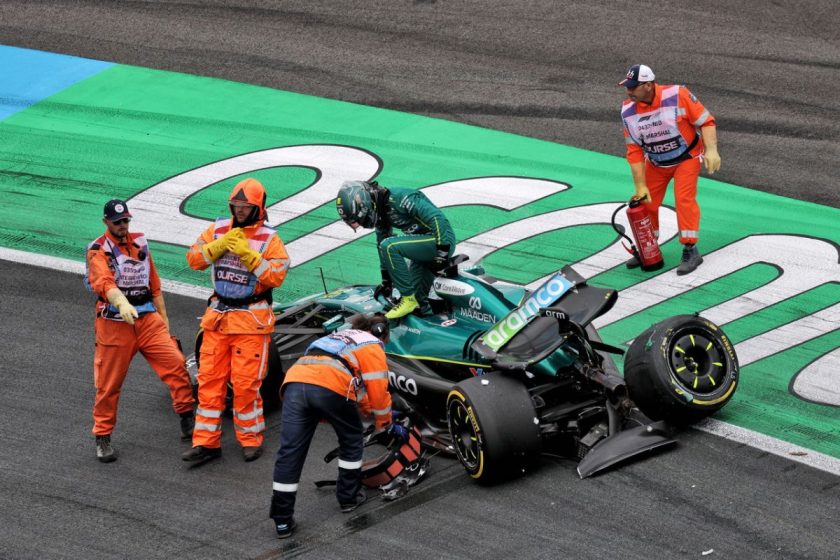
The Fédération Internationale de l'Automobile (FIA) has recently clarified and defended its use of a safety car for the formation lap at the chaotic 2026 Dutch Grand Prix, following sharp criticism from Formula 1 drivers. The race, held at Zandvoort, saw reigning champion Max Verstappen crash heavily on the opening lap amidst treacherous wet-dry conditions, intensifying the debate over race safety and control decisions. Drivers argued that the safety car-led formation lap, immediately followed by a standing start, prevented them from adequately warming their slick tyres on the rapidly changing circuit. Key figures like Pierre Gasly and Liam Lawson voiced concerns, describing the track's final corners as 'impossible' to navigate on cold slick tyres, which contributed to Verstappen's incident and several other close calls. The FIA, however, maintained that its decision prioritized safety, citing reports of standing water in specific corners during reconnaissance laps, which justified the cautious approach. This renewed explanation puts F1's race control procedures under the microscope, especially as the sport grapples with the unpredictable nature of wet weather racing. Moving forward, the incident and the FIA's response could prompt further discussions on refining safety car protocols and grid procedures to balance driver safety with competitive racing, ensuring such chaos is minimized in future Grands Prix. Race winner Lando Norris ultimately navigated the treacherous conditions best, but the debate continues.