First large-scale atlas of senescent cells could help inform future therapies for age-related diseases
Context mode is active. Hover over any highlighted term to see its definition. Click a nested term to go deeper.
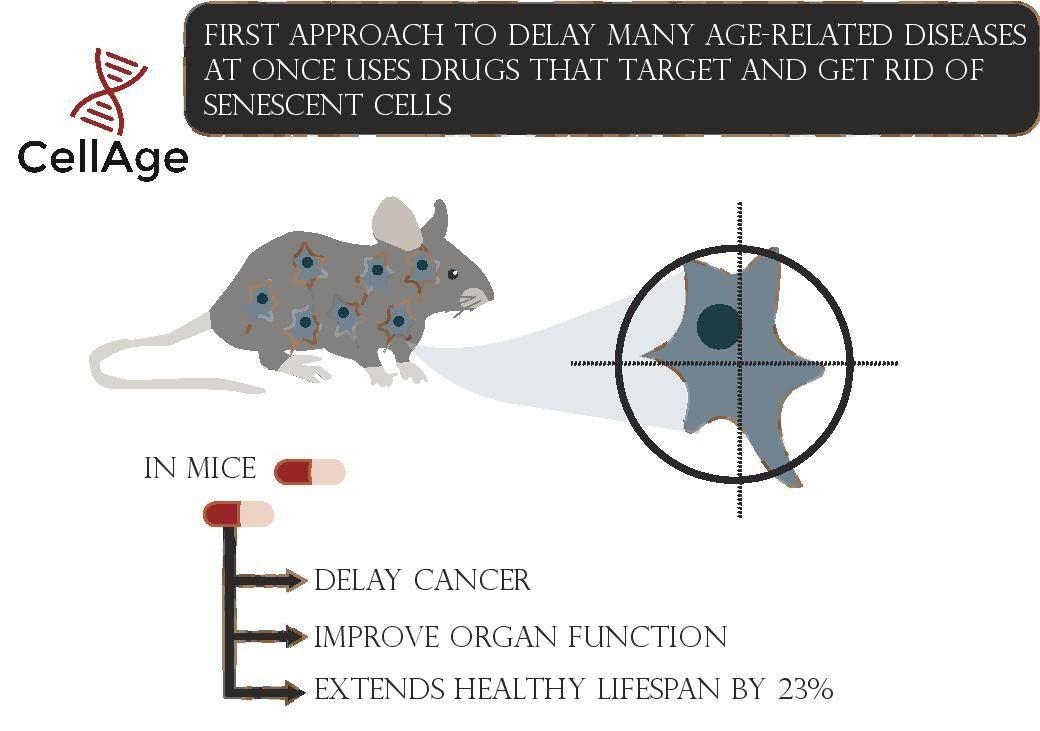
A research consortium funded by the National Institutes of Health (NIH) has just unveiled the first comprehensive atlas of senescent cells across the human body, a critical breakthrough in understanding and combating age-related diseases. Published in a compendium of papers by Cell Press on June 11, this landmark effort introduces 'senotypes,' a new classification system acknowledging the diverse and heterogeneous nature of these 'zombie cells' across human tissues, marking a foundational shift towards targeted therapeutic development. This monumental undertaking, launched by the NIH Common Fund in 2021, directly confronts the long-standing challenge posed by the rarity and variability of senescent cells, which accumulate with age and drive a spectrum of chronic conditions from kidney disease to frailty. The atlas maps these cells with unprecedented detail, charting their presence in vital organs like the brain prefrontal cortex, lungs, and lymph nodes, and has already yielded new biomarkers predictive of future disease risk. The research arrives amidst an intensifying race to develop senotherapies, with existing treatments like senolytics and senomorphics showing promise in animal models but also revealing complex side effects, as seen in recent findings linking the dasatinib and quercetin (D+Q) combination to myelin damage in mice. The immediate implications are profound: this publicly accessible Human Senescence Atlas is expected to accelerate precision medicine approaches, allowing researchers to develop more targeted interventions that preserve beneficial senescent cells while eliminating harmful ones. The NIH Common Fund is already planning Stage 2 of the SenNet program, focusing on unraveling the biological consequences of senescent cell heterogeneity. This granular understanding is crucial for moving beyond broad-spectrum anti-aging strategies towards therapies tailored to an individual's unique 'senescent cell burden,' a concept increasingly central to personalized aging interventions.