Fish Oil-Derived DHA Reaches Brain but Does Not Prevent Cognitive Decline: Study Finds
Context mode is active. Hover over any highlighted term to see its definition. Click a nested term to go deeper.
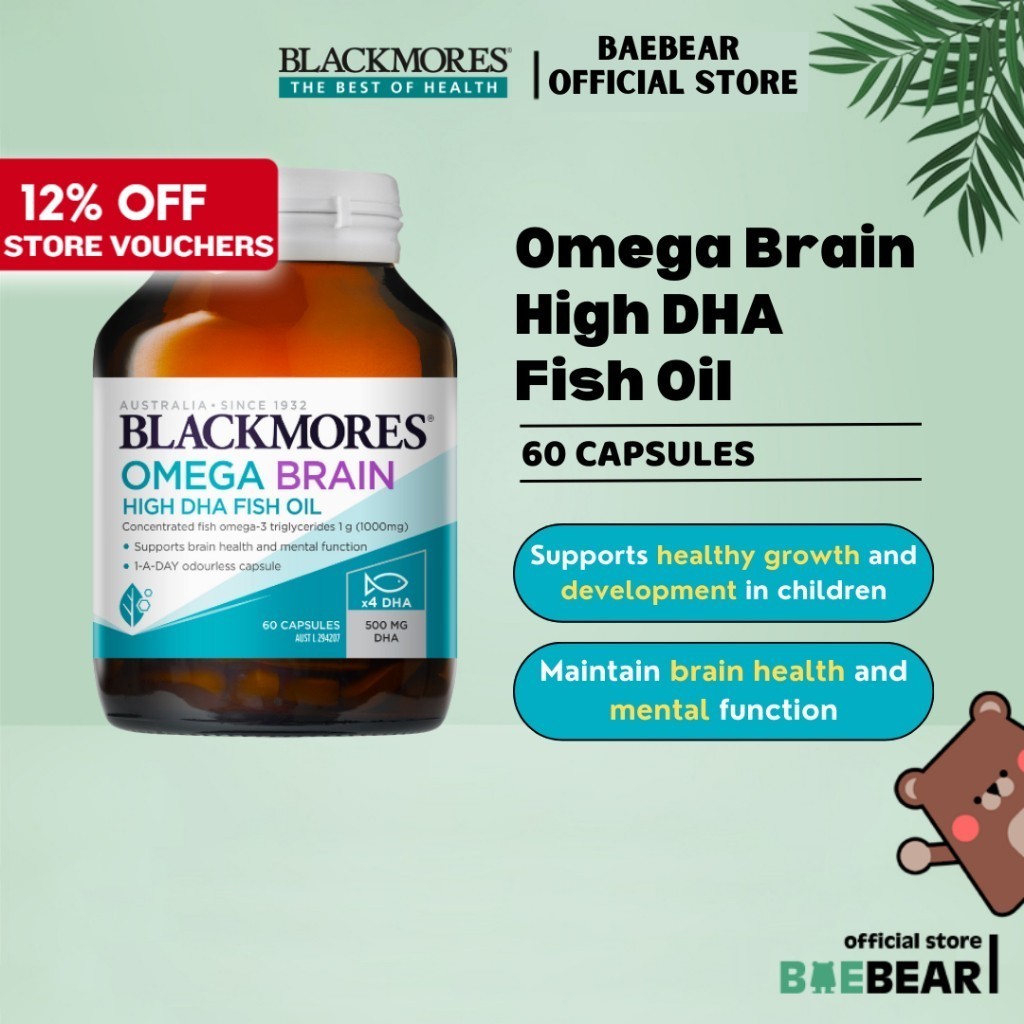
The groundbreaking, two-year clinical trial from Keck Medicine of USC, published in eBioMedicine this week, delivers a stark message to millions: daily fish oil supplements, specifically high doses of DHA, don't protect against memory loss or Alzheimer's disease, even when the omega-3 fatty acid demonstrably reaches the brain. This gold-standard study directly challenges the widespread, billion-dollar belief in fish oil's cognitive benefits, finding no improvement in memory, cognitive function, or prevention of brain cell loss in at-risk older adults. This revelation strikes at the heart of a global supplement market valued at over a billion dollars for DHA alone, fueled by the promise of enhanced brain health. While the study confirmed that 2,000 mg of DHA daily led to a 17% increase in cerebrospinal fluid DHA levels, validating its brain delivery, this 'biochemical target engagement' surprisingly yielded no functional benefits. The findings contradict previous research, including an August 2024 study that suggested some benefit for APOE4 gene carriers, and a November 2025 study linking higher blood omega-3s to better cognition, intensifying the scientific debate on optimal omega-3 delivery and efficacy. Compounding the complexity, a recent June 2026 secondary analysis even linked omega-3 supplementation to faster cognitive decline, potentially due to supplement quality and oxidation issues. Dr. Hussein Naji Yassine, the lead investigator, now shifts focus from supplementation to understanding why DHA fails to translate to cognitive benefits and how the brain metabolizes these crucial nutrients, hinting at future drug development to optimize utilization. This means consumers and health professionals should re-evaluate reliance on general fish oil supplements for Alzheimer's prevention, urging a closer look at diet, overall lifestyle, and next-generation targeted therapies. The outcome will likely prompt critical re-evaluation by regulators of health claims for brain-boosting supplements and redirect significant research funding towards deeper metabolic pathways rather than broad-spectrum interventions.