Florida Braces for Hurricane Isaias Amidst Sweltering Heat, Counties Scramble
Context mode is active. Hover over any highlighted term to see its definition. Click a nested term to go deeper.
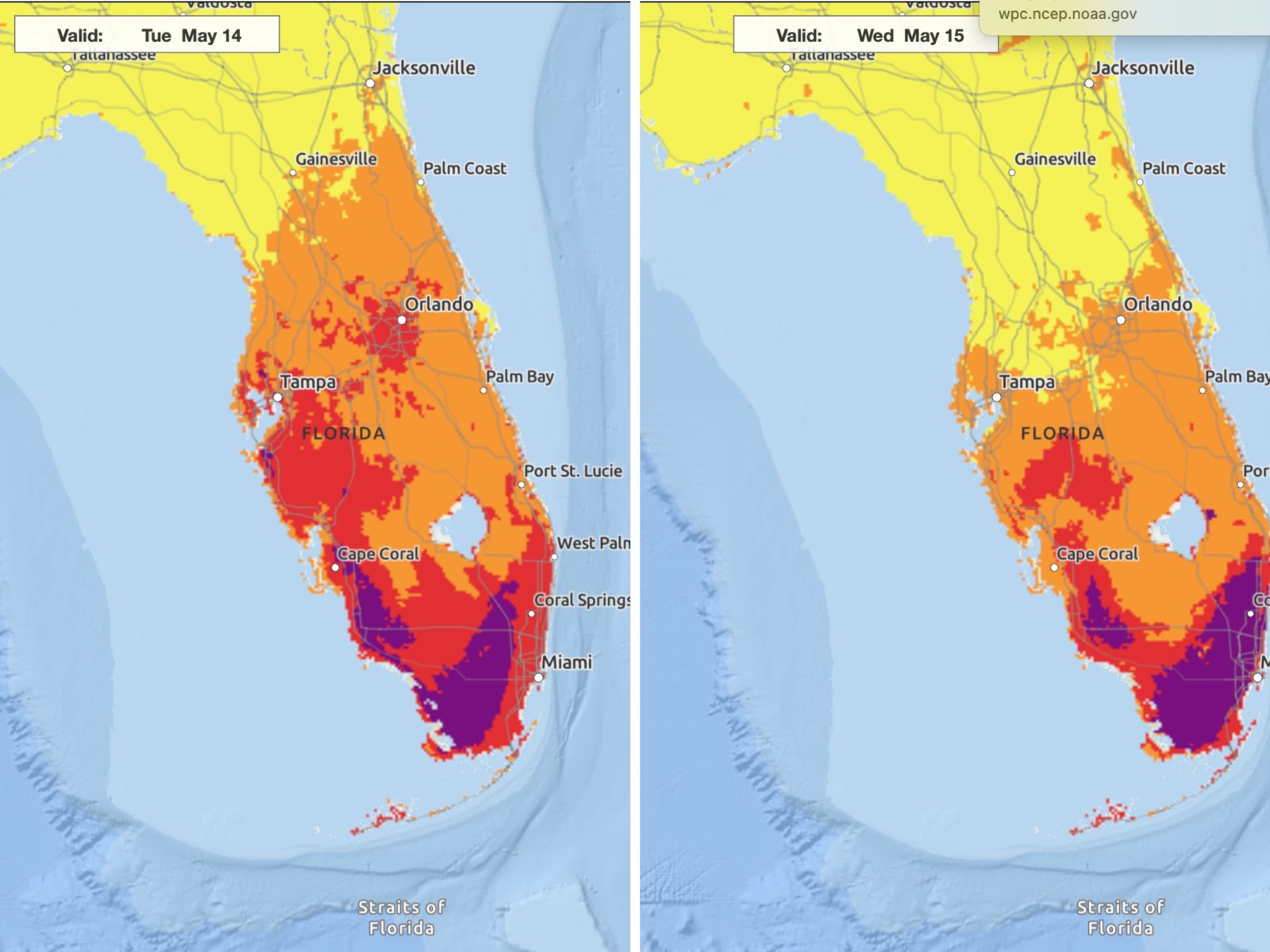
Florida is on high alert today as Tropical Storm Isaias rapidly strengthens, now officially declared the Atlantic season's first hurricane and barreling towards the U.S. Gulf Coast. This comes as the state grapples with persistent hot nights and climbing heat indexes, forcing communities like Orange County to tackle a complex dual threat: intense heat and an approaching hurricane. Officials are urging residents to finalize preparations, with mandatory evacuations already ordered in some coastal areas and schools closed. The converging threats of a strengthening hurricane and a prolonged heatwave highlight a dangerous new reality for Florida. Scientists note that 'marine heat waves' are increasingly 'supercharging' tropical cyclones, leading to rapid intensification and potentially more damaging landfalls. The state has seen numerous heat advisories this summer, and experts are exploring a heat wave rating scale similar to the Saffir-Simpson scale for hurricanes, underscoring the escalating danger of extreme heat, especially when combined with post-storm power outages. This urgent situation is prompting critical discussions, with Orange County hosting a panel today, 'From Heat to Hurricanes: Building a More Resilient Orange County,' as part of Florida Climate Week, bringing together meteorologists and epidemiologists to discuss these shifting trends. As Hurricane Isaias tracks towards an expected landfall along the northern Gulf Coast late Friday or early Saturday, the focus shifts to immediate safety and long-term resilience. Florida Governor Ron DeSantis has already declared a state of emergency for dozens of counties, freeing up resources and mobilizing State Emergency Response Teams. Residents should continue to monitor National Hurricane Center updates, secure their homes, and ensure their disaster supply kits are stocked for at least seven days, with extra consideration for managing heat during potential prolonged power outages. The coming days will be a crucial test of Florida's preparedness against these compounding climate challenges.