Florida Clears Highways of Surveillance: State Bans Automated License Plate Readers Amid Privacy Fury
Context mode is active. Hover over any highlighted term to see its definition. Click a nested term to go deeper.
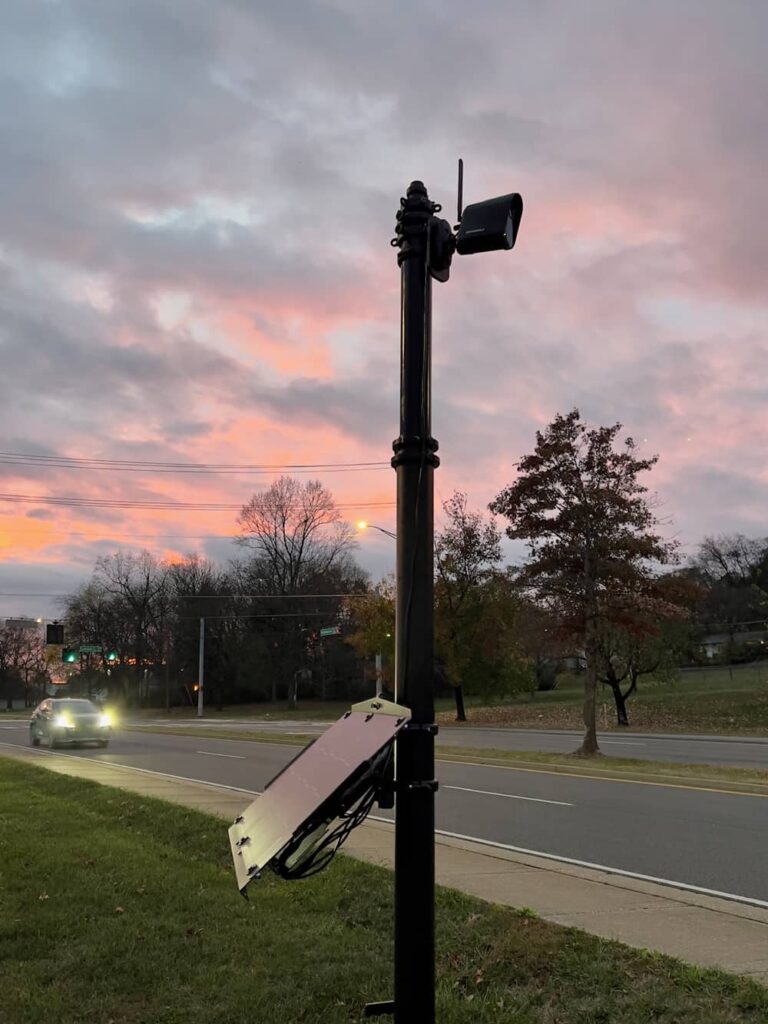
Florida has taken a decisive stand against mass surveillance, ordering the immediate removal of Flock cameras and other Automated License Plate Readers (ALPRs) from state highways. In a memo issued on Monday, August 31, 2026, the Florida Department of Transportation (FDOT) mandated that all existing ALPR permits are revoked, no new ones will be issued, and devices must be taken down within 30 days due to 'concerning reports of misuse, data privacy concerns, and surveillance schemes'. This bold move by Governor Ron DeSantis administration comes amidst a growing nationwide public backlash against the technology, fueled by reports of police officers misusing ALPR data to track ex-partners or other individuals without legitimate cause, and concerns over false positives leading to wrongful arrests. States like Texas and Arizona are also grappling with similar issues, with the US Senate subcommittee recently launching its own investigation into Flock Safety's internal records and data management policies. The ban on Florida's state roads sets a significant precedent, though many local law enforcement agencies and sheriff's offices, some of whom view ALPRs as critical crime-fighting tools, are now navigating how to comply, with some opting to extend the ban to county roads. This development intensifies the ongoing debate over balancing public safety with individual privacy and the unchecked expansion of AI-powered surveillance, pushing other states and potentially federal lawmakers to re-evaluate their own approaches to this ubiquitous technology.