Focus on infrastructure drives India’s growth
Context mode is active. Hover over any highlighted term to see its definition. Click a nested term to go deeper.
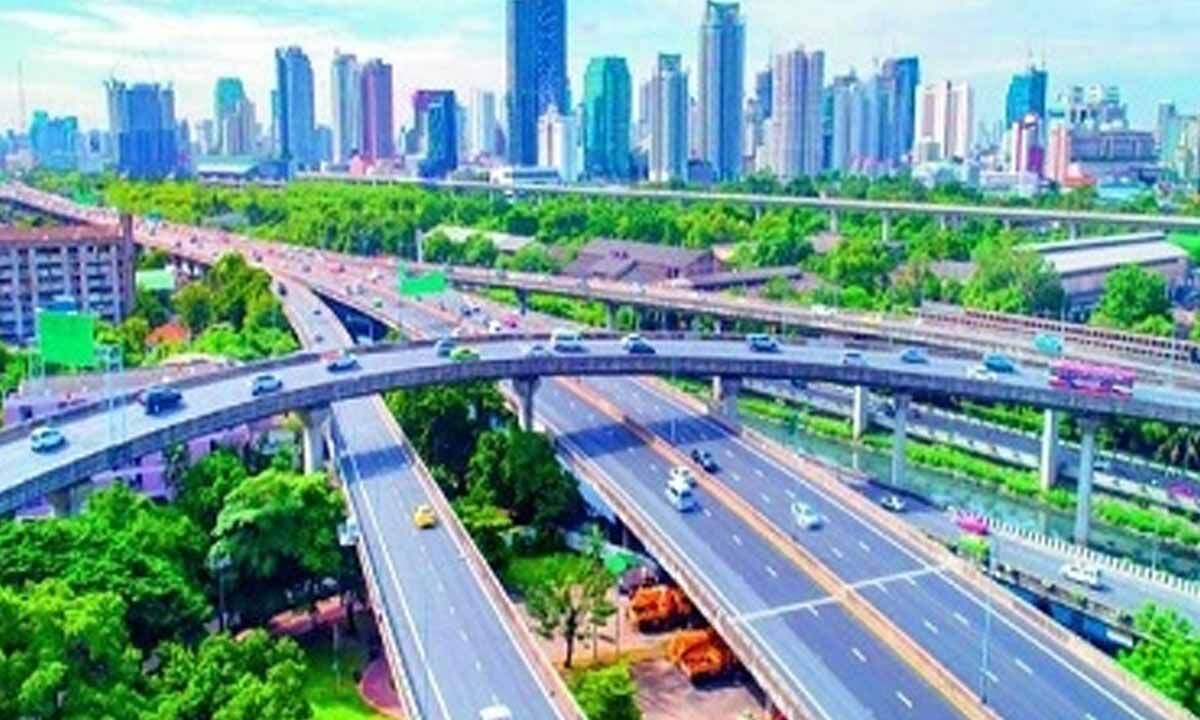
India's audacious infrastructure push, driven by a dramatic surge in public capital expenditure, is recalibrating the nation's economic trajectory, with the government allocating a colossal INR 12.2 lakh crore for FY2026-27 to expand its vital networks. This unprecedented investment—a near nine-fold increase since 2014—underscores New Delhi's strategy to leverage physical assets like roads, railways, and airports as core engines for growth, aiming to slash logistics costs and enhance global competitiveness. The accelerated pace has seen the National Highways Authority of India (NHAI) exceed its construction targets, while railway electrification nears completion and new high-speed corridors take shape, transforming mobility and trade across the subcontinent. At the heart of this transformation lies an integrated planning approach, championed by initiatives like the PM Gati Shakti National Master Plan and the National Logistics Policy (NLP), which seek to dismantle traditional silos and create seamless multimodal connectivity. Key programs such as Bharatmala Pariyojana and Sagarmala are rapidly expanding highway networks and modernizing ports, while the UDAN Scheme is democratizing air travel by connecting hitherto underserved regions. However, this monumental undertaking is not without its hurdles; critical challenges persist in land acquisition, utility shifting, and skilled workforce shortages, frequently leading to project delays and cost overruns. Looking ahead, India's infrastructure pipeline remains robust, with continued emphasis on leveraging Public-Private Partnerships (PPPs) and a newly introduced Infrastructure Risk Guarantee Fund designed to de-risk projects and attract private capital. The launch of 3,000 new regular train services over the next five years and the expansion of the airport network to over 200 by 2035 highlight an unwavering commitment to scale and modernization. As India eyes its 'Viksit Bharat 2047' vision, successfully navigating these execution bottlenecks will be paramount to sustaining growth and firmly establishing the nation as a global economic powerhouse, profoundly reshaping its urban and rural landscapes.