Foreign Investment Fuels Rural US Jobs, But Incomes Remain Flat: A Policy Puzzle
Context mode is active. Hover over any highlighted term to see its definition. Click a nested term to go deeper.
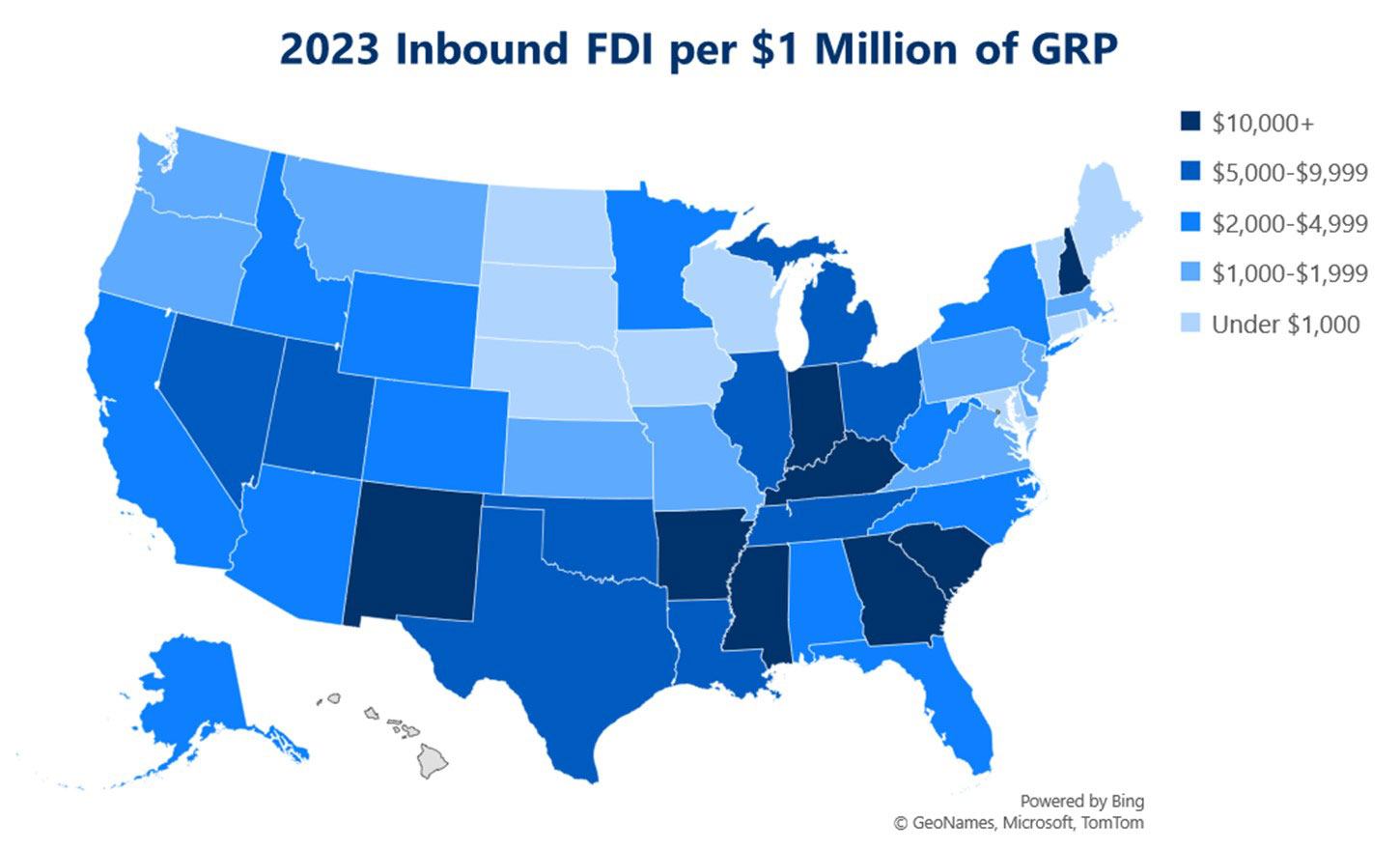
A new report reveals a curious trend reshaping rural America: a surge in foreign investment is creating thousands of jobs, yet local income aren't seeing the same boost. An analysis in 'Contemporary Economic Policy' found that while foreign direct investment (FDI) can increase employment by 3-16% in rural US counties, it surprisingly has no major effect on the income of people living there, raising questions about how communities truly benefit from global capital. This paradox arrives as federal trade and industrial policies, like the Inflation Reduction Act and CHIPS and Science Act, drive a new wave of FDI into US manufacturing, with companies pouring billions into American production to strengthen supply chains and tap into incentives. The US remains a top destination for foreign capital, seeing $232.2 billion in investment in 2025 alone, with manufacturing accounting for over half of this. This reflects a strategic shift by foreign firms seeking to move production closer to US consumers, away from past supply chain risks and towards competitive energy costs and a skilled workforce, further fueled by policies from both current and past administrations aimed at reindustrialization. So, what's next for rural development? Experts suggest that simply attracting FDI isn't enough for true economic prosperity; local and state governments must also introduce supporting policies to boost wage growth, expand housing, and encourage more local businesses. Without these extra steps, the income benefits from new jobs might just spread out to nearby areas, leaving the immediate rural communities still struggling to see a direct rise in their household earnings. This means a more thoughtful, integrated strategy is needed to ensure these investments lead to broader, more equitable gains for America's heartland.