Four European Nations Bolster India's Global Power Play for UN Security Council Seat
Context mode is active. Hover over any highlighted term to see its definition. Click a nested term to go deeper.
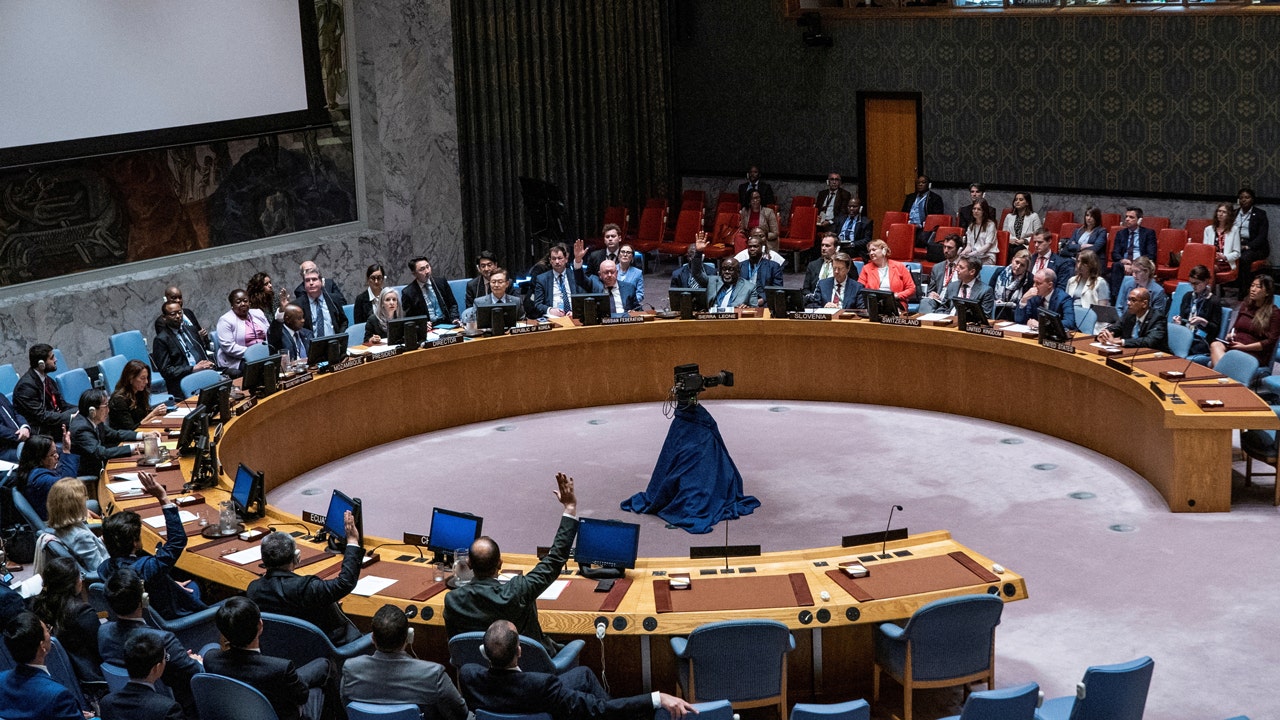
India's long-standing bid for a permanent seat on the United Nations Security Council just got a significant boost. The Visegrád Group (V4) – Poland, Hungary, Slovakia, and the Czech Republic – publicly backed New Delhi's campaign at their first-ever ministerial meeting with India on the sidelines of the 81st UN General Assembly in New York. This collective endorsement from Central Europe adds fresh diplomatic weight to India's push for a more representative global decision-making body. This support is not entirely new; major powers like Russia, France, the United States, and the United Kingdom have already expressed their backing for India. However, the V4's joint stance, coupled with India's active role in the G4 Nations (which also includes Brazil, Germany, and Japan) advocating for UNSC reform, highlights a growing global consensus that the UN's structure, established in 1945, needs to reflect today's geopolitical realities and better represent the 'Global South'. India is also actively campaigning for a non-permanent UNSC seat for the 2028-29 term, signaling its continued engagement. Despite this increasing international support, the path to permanent membership remains complex. Any expansion of the UNSC requires amendments to the UN Charter, necessitating agreement among all member states and, critically, ratification by the existing five Permanent Members (P5), who hold 'Veto Power'. The ongoing Intergovernmental Negotiations (IGN) process at the UN, where countries discuss reform models, has seen little real progress for decades, even with the G4 proposing a detailed expansion plan. The world will be watching External Affairs Minister S. Jaishankar's upcoming address at the UN General Assembly on September 26 for further insights into India's strategic push.