Fragile Peace in France After Youth Fury Over Failing Schools Turns Violent
Context mode is active. Hover over any highlighted term to see its definition. Click a nested term to go deeper.
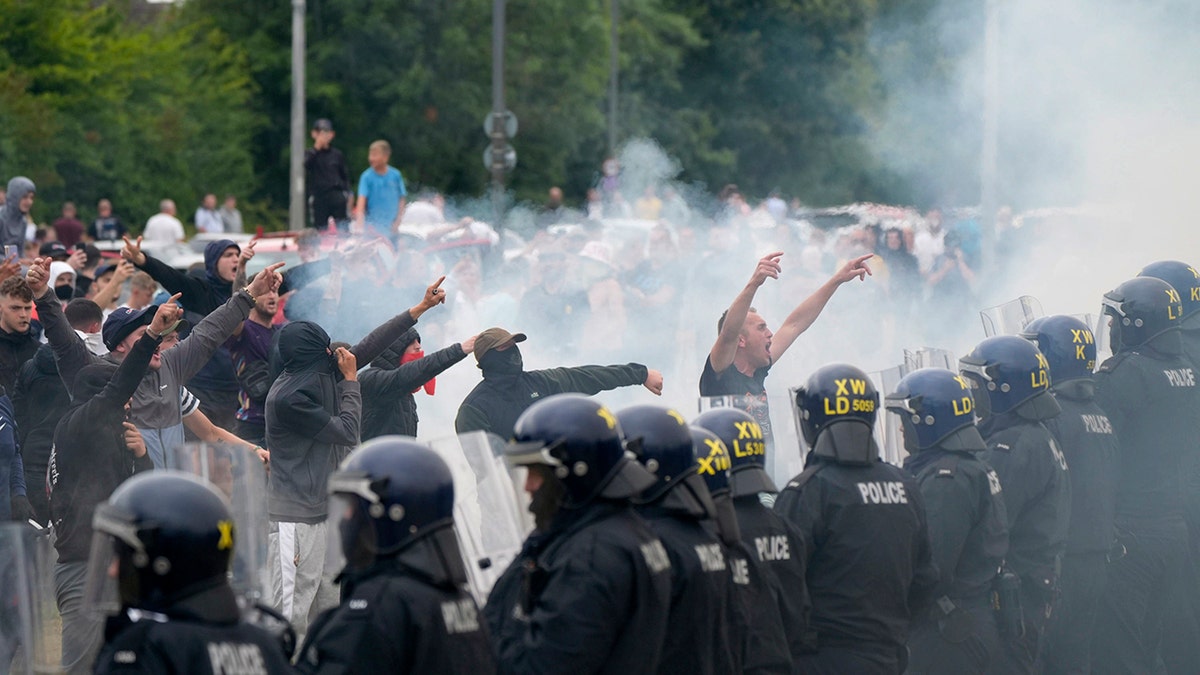
A tense calm has settled across France, but it's a fragile peace. Just yesterday, after days of hate-filled violent protests, children as young as 14 set schools on fire, attacked teachers, and clashed fiercely with police in Paris suburbs and cities nationwide. The widespread unrest led to the closure of over 400 high schools and disrupted more than 560 others, with thousands arrested—mostly teenagers—and hundreds injured, including students, staff, and police officers. These student-led demonstrations were fueled by deep anger over severely under-resourced schools, including overcrowded classrooms, a severe shortage of teachers, and crumbling, dilapidated facilities where students reported issues like broken toilets, leaks, and even rodents. The timing is critical, as the protests gained momentum alongside broader public worker protests against the government's proposed €43 billion in 2027 budget cuts. The government, led by Prime Minister Sébastien Lecornu, has accused the far-left France Unbowed (LFI) party of hijacking the movement and inciting 'urban violence,' a claim LFI denies, instead pointing to instances of alleged police brutality. With student unions now calling for continued protests next week, the temporary lull may soon break. Justice Minister Gérald Darmanin has taken a firm stance, suggesting parents should be held liable for damages caused by their children and made to 'pay for repairs'. Meanwhile, the Education Minister, Édouard Geffray, has warned of the dangers to students while also instructing schools to switch to remote learning if blockades or damage threaten safety. The unrest has also seen universities join in and even spread to neighboring Belgium, highlighting the deep-seated frustration bubbling beneath the surface of French society.