France Deploys Forces to Saudi Arabia as Houthi Attacks Escalate Amid Regional Tensions
Context mode is active. Hover over any highlighted term to see its definition. Click a nested term to go deeper.
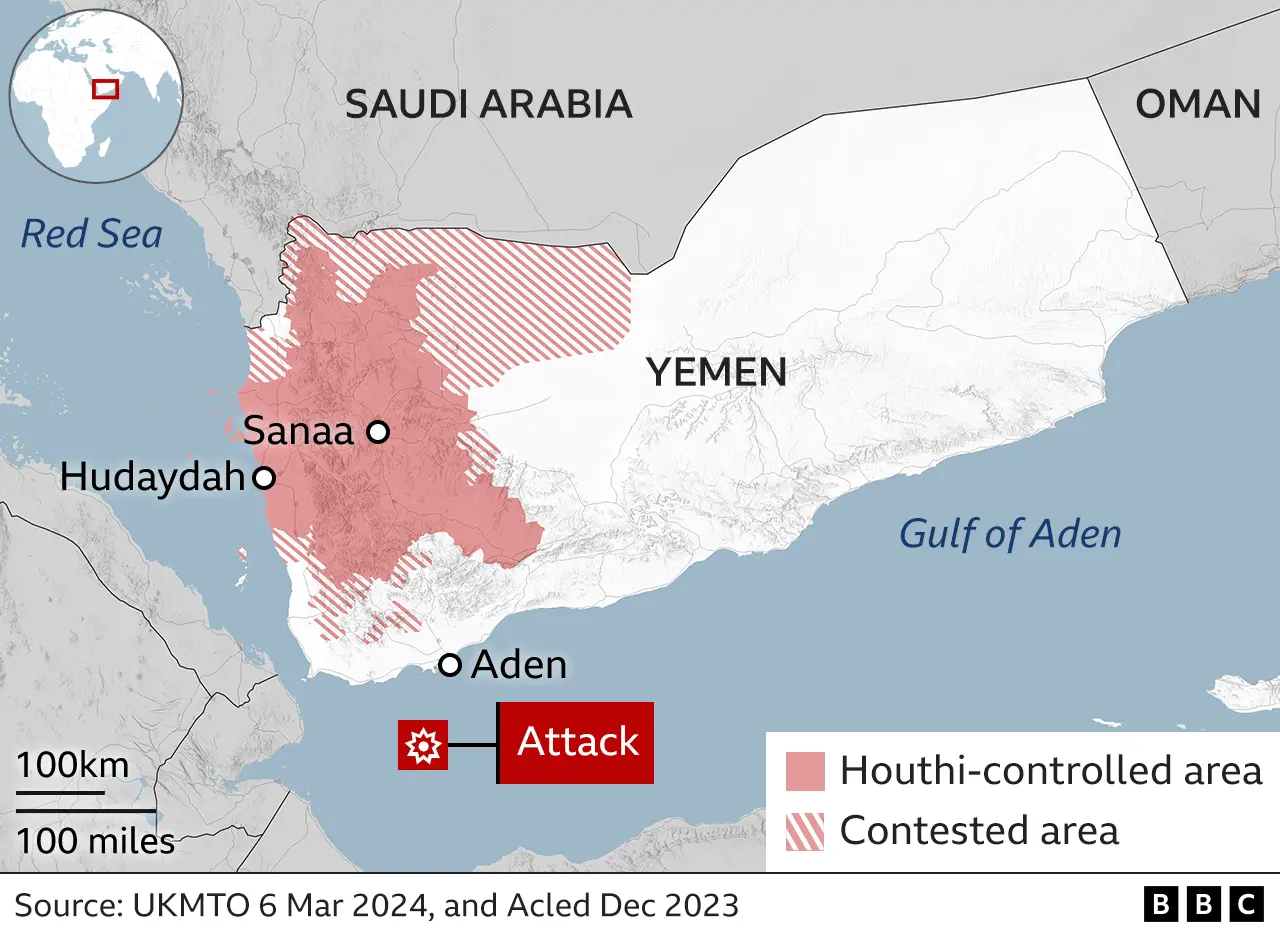
France has officially begun deploying military resources to Saudi Arabia, marking a critical escalation in international efforts to safeguard the Kingdom's vital oil infrastructure from relentless Houthi militant attacks. The deployment, confirmed on Thursday, includes soldiers and advanced defense systems specifically aimed at protecting key sites like the Yanbu oil terminal, a crucial export hub that bypasses the Strait of Hormuz. This move comes swiftly after a series of brazen Houthi strikes, including extensive damage to Saudi Aramco headquarters in Dhahran and a deadly assault on Riyadh's King Khalid International Airport earlier this week. The decision by French President Emmanuel Macron to deploy 'military means' was initially announced in September and represents a significant shift in France traditionally more cautious defense cooperation with Riyadh. The renewed Yemen conflict, reignited in September after a four-year lull and now intertwined with broader US-Iran confrontations in the Gulf, has seen Houthi military spokesman Yahya Saree repeatedly vow to continue targeting Saudi airports and oil facilities, branding them 'legitimate targets.' This escalating regional volatility is not just a security crisis but an economic one, contributing to rising global oil prices and increasing the cost of living for countries like France. The direct intervention signals a heightened global concern over energy security and stability in the Middle East. With the International Monetary Fund (IMF) already warning that a prolonged regional conflict could lead to economic contraction across the Middle East, including a projected slowdown for Saudi Arabia, the stakes are undeniably high. International cooperation to mitigate drone and missile threats will likely intensify, especially after a planned EU and Gulf leaders' summit in Riyadh was recently postponed due to ongoing security concerns. What remains to be seen is whether this robust defensive posture can de-escalate tensions or if it risks drawing more international players into the volatile regional conflict.