Freight rates, supply chains to take months to normalise after Hormuz reopening, say UAE firms
Context mode is active. Hover over any highlighted term to see its definition. Click a nested term to go deeper.
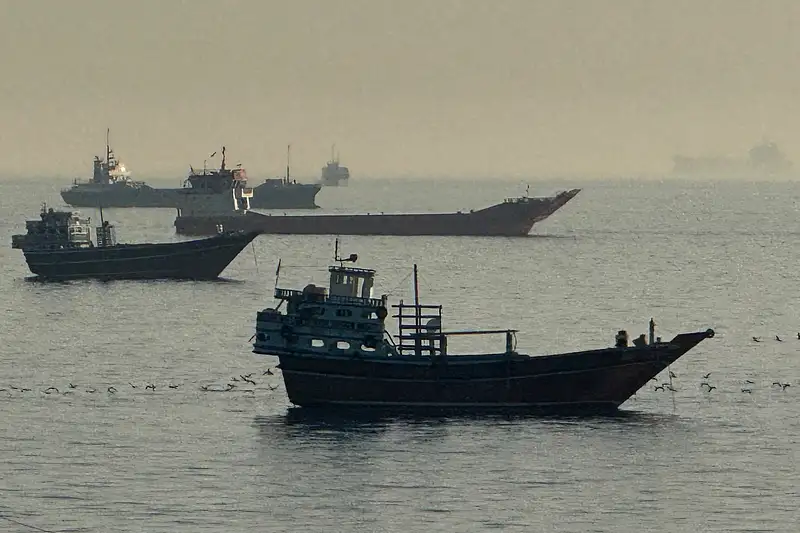
The Strait of Hormuz is set to fully reopen by Friday, June 19, following an interim US-Iran peace deal signed on June 15, ending a conflict that had effectively closed the critical waterway since late February. While the diplomatic breakthrough has already slashed crude oil prices to the low-$80s per barrel, UAE manufacturing and trading industry leaders warn that the path to normalcy for global freight rates and supply chains will be a protracted, multi-month ordeal. Lingering backlogs, persistently high war-risk insurance premiums, and a cautious shipping industry mean immediate relief for import and export costs remains elusive. The three-and-a-half-month closure of the Strait, triggered by US-Israeli strikes on Iran, unleashed the 'largest supply disruption in the history of the global oil market,' propelling Brent crude past $120/barrel and driving war-risk insurance premiums up by an astounding 1,000% or more. This disruption exacerbated existing global supply chain fragilities, causing container freight rates on key Asia-US routes to more than double and forcing widespread vessel diversions around Africa. The UAE, heavily reliant on the Strait for both exports and imports, is now aggressively pursuing a 'zero Hormuz dependency strategy' to insulate its trade from future geopolitical shocks. As the world watches for the formal peace deal signing in Geneva, the immediate focus shifts to the practicalities of clearing mines and ensuring safe passage through the chokepoint. However, the real battle for businesses will be unwinding months of logistical knotting, negotiating still-elevated insurance costs, and rebuilding confidence in a region scarred by recent conflict. With the UAE committing billions to bypass the Strait, the long-term reshaping of Middle Eastern trade routes is only just beginning.