Fuel austerity dampens outlook for India’s annual product demand growth
Context mode is active. Hover over any highlighted term to see its definition. Click a nested term to go deeper.
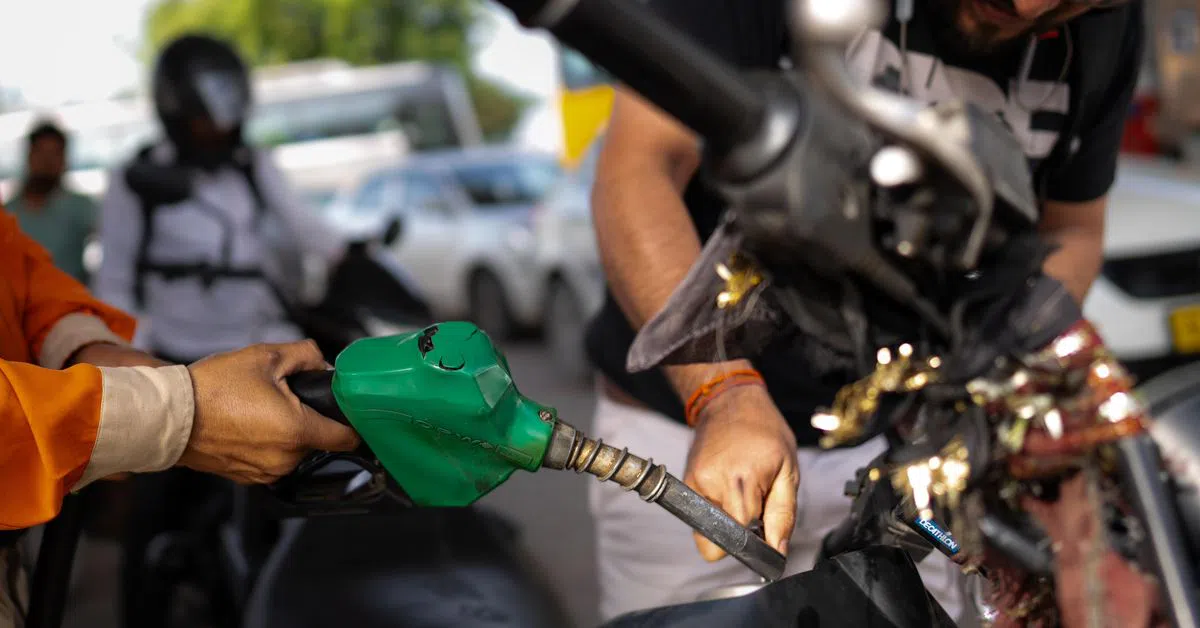
India's ambition for robust economic expansion is hitting a speed bump, as recent hikes in petrol and diesel prices by approximately ₹5 per litre, coupled with intensified government conservation drives, are projected to severely decelerate transportation fuel demand growth in the latter half of 2026. This austerity measure, enacted by state-owned oil marketing companies, comes amidst persistent macroeconomic pressures, effectively curbing the consumption patterns that underpin India's energy-intensive economic activities. The current slowdown represents a critical test for New Delhi, which has long grappled with the twin challenges of energy security and managing inflation. Elevated global crude oil prices, fueled by ongoing geopolitical instabilities and cautious OPEC+ supply management, continue to strain India's import bill. The Reserve Bank of India is already walking a tightrope, attempting to cool inflation without derailing post-pandemic GDP growth, making the pass-through of higher fuel costs a difficult, yet unavoidable, fiscal decision. Looking ahead, analysts anticipate a ripple effect across sectors, from logistics and manufacturing to everyday consumer spending, potentially dampening overall annual product demand growth. The Ministry of Petroleum and Natural Gas is likely to intensify its "Saksham 2026" conservation campaign, while the government assesses further fiscal adjustments to cushion the blow without sacrificing its revenue targets. The coming months will reveal the true extent of this demand suppression and its broader implications for India's economic trajectory.