G7 Emergency Oil Release Offers Fleeting Relief as Global Crises Persist
Context mode is active. Hover over any highlighted term to see its definition. Click a nested term to go deeper.
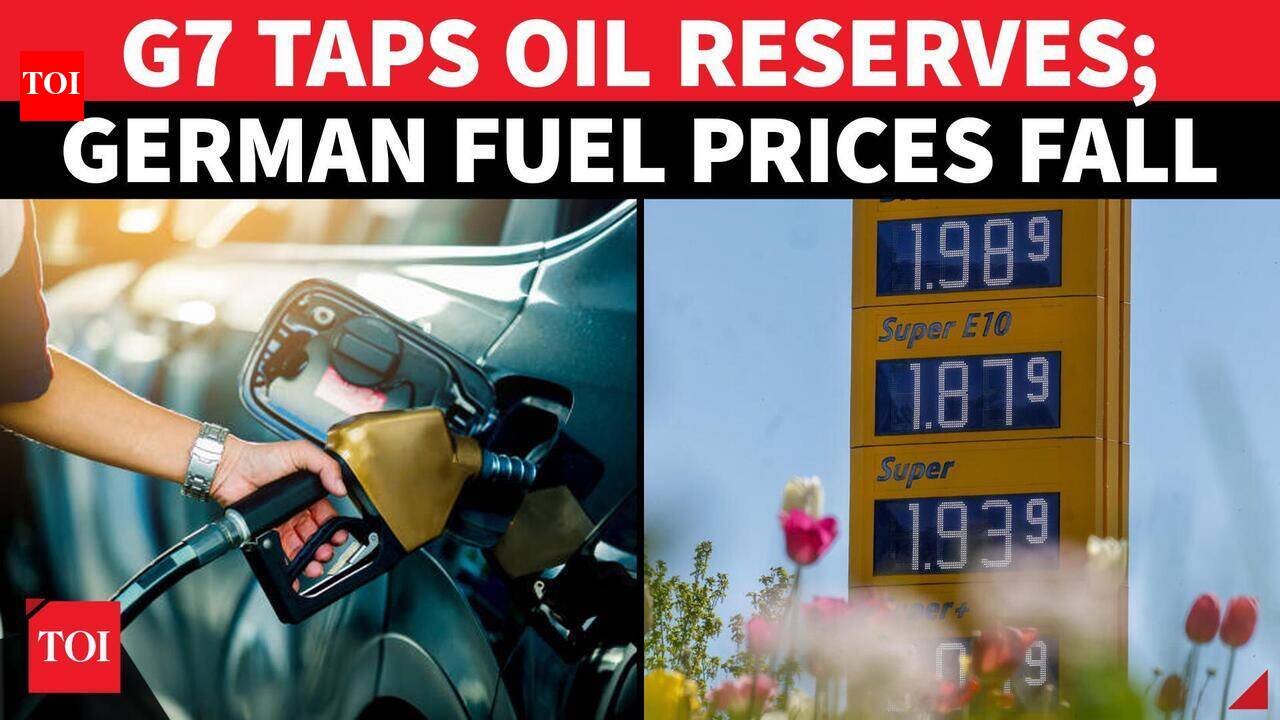
German drivers are seeing some immediate relief at the pump after G7 nations agreed to release 100 million barrels of crude oil and diesel from emergency reserves over the next four months. This coordinated effort, driven largely by intense pressure from US President Donald Trump, aims to cool surging global energy prices that have hit consumers hard. While the move offers a temporary reprieve, experts warn it's more of a short-term patch than a lasting solution to the complex energy crisis gripping the world. The agreement follows weeks of high-stakes negotiations, with Trump threatening to halt US diesel exports to Europe if they didn't tap into their strategic stockpiles. Europe, especially Germany, has been grappling with some of the highest fuel prices on the continent, exacerbated by dual geopolitical crises: the ongoing US-Israel war with Iran disrupting vital Middle Eastern oil flows through the Strait of Hormuz, and persistent Ukrainian drone attacks crippling Russian oil refineries. These conflicts have severely squeezed global diesel supplies, driving prices to record highs and prompting Russia to extend its own diesel export ban. Looking ahead, the effectiveness of this emergency release is expected to be limited, with analysts suggesting the underlying supply crunch will likely persist into 2027. The G7 commitment to coordinate refinery maintenance and avoid export restrictions among themselves aims to stabilize markets, but the volatility fueled by ongoing conflicts in the Middle East and Eastern Europe means consumers and businesses should brace for continued uncertainty in energy costs. The coming months will reveal if this diplomatic gambit can truly mitigate the deeper, systemic issues affecting the global oil market.