G7 summit set for tense showdown with Trump
Context mode is active. Hover over any highlighted term to see its definition. Click a nested term to go deeper.
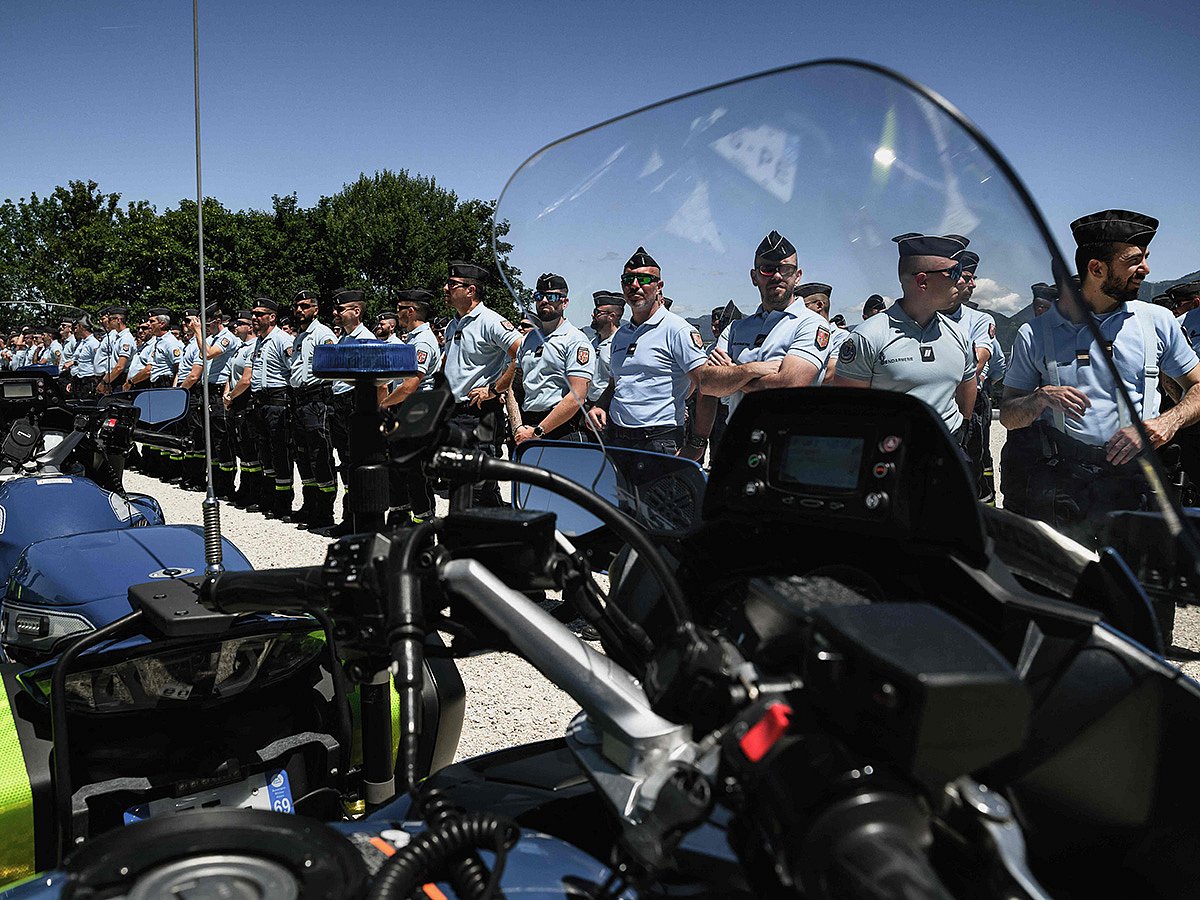
World leaders are converging on Évian-les-Bains, France, this weekend for a G7 summit poised for a tense confrontation with US President Donald Trump, whose unpredictable approach to critical global issues threatens to derail attempts at unified action. With major agreements on Iran's nuclear program and a fragile détente with China hanging in the balance, the gathering, from June 15-17, 2026, is shaping up as a crucial test of Western cohesion against a backdrop of escalating geopolitical fragmentation. The summit's agenda is stacked with flashpoints: a newly brokered US-Iran Memorandum of Understanding (MOU) to reopen the Strait of Hormuz and begin nuclear disarmament faces Trump's potential eleventh-hour theatrics, while a temporary US-China tariff reduction seeks to stabilize fraught trade relations amid ongoing Section 301 investigations. Meanwhile, European allies continue to grapple with bolstering NATO defense spending, having committed to significant GDP targets by 2035, as Ukraine's finance minister makes fresh pleas for critical external funding—$95 billion needed for 2026-2027—much of which relies on G7 commitments and innovative mechanisms like the Extraordinary Revenue Acceleration (ERA) initiative. French President Emmanuel Macron, the summit host, faces the daunting task of managing these divergent agendas and reasserting multilateralism in an era increasingly defined by bilateral power plays and economic nationalism. Observers will be watching closely for any definitive breakthroughs on the Iran nuclear deal's technical negotiations, set to unfold over the next 60 days, and whether the fragile US-China trade truce can evolve into a more permanent agreement, particularly as USTR solicits further public comment on tariff relief. The true measure of this G7 won't be just the communiqués issued, but whether Macron can prevent Trump from fracturing the alliance further, particularly on collective security and economic strategy, setting the stage for potentially far-reaching ripple effects across global markets and security frameworks. The summit's outcome will heavily influence the trajectory of international cooperation for the remainder of 2026 and beyond.