Game Changer for Aggressive Breast Cancer? GNG12 Halts TNBC Spread
Context mode is active. Hover over any highlighted term to see its definition. Click a nested term to go deeper.
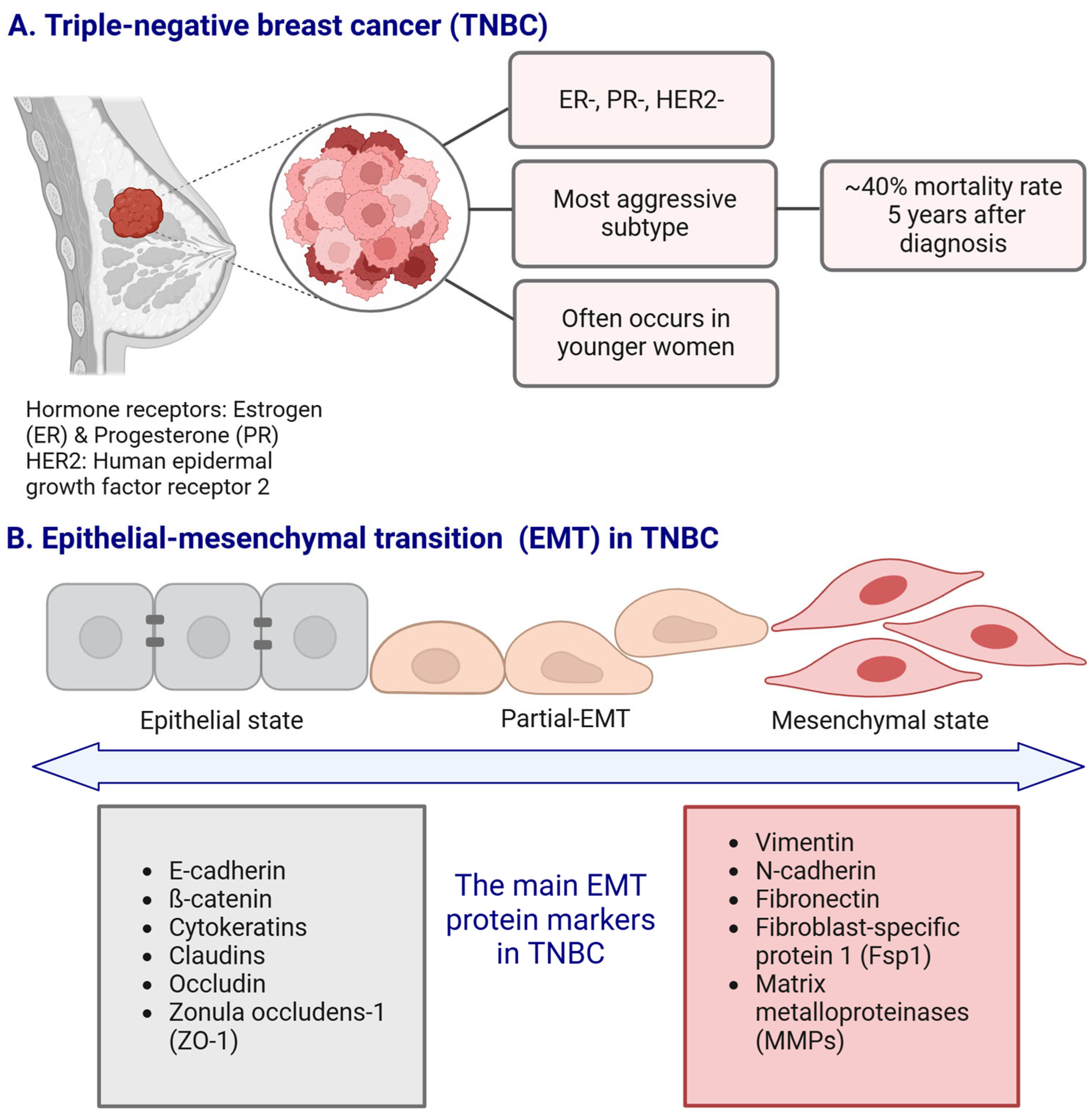
In a significant breakthrough for cancer research, a new study published in Nature reveals that overexpressing a specific protein called GNG12 can effectively stop the growth, movement, and spread of triple-negative breast cancer (TNBC) cells. This discovery offers a crucial new lead against one of the most aggressive and difficult-to-treat forms of breast cancer, which currently lacks targeted treatment options. TNBC is notoriously challenging because, unlike other breast cancers, it doesn't have the common receptors (Estrogen Receptors, Progesterone Receptors, or HER2 Receptors) that many existing targeted therapies attack. This leaves chemotherapy as the main treatment, but TNBC often becomes resistant and has a high risk of coming back or spreading to other parts of the body, a process called metastasis. Finding new ways to fight TNBC is vital, and GNG12, a part of a larger family of cell communicators called G proteins and G protein-coupled receptors (GPCRs), could be one such answer. The researchers showed that by increasing the amount of GNG12, they could put the brakes on TNBC aggressive behavior, potentially through pathways like the PI3K/AKT signaling pathway, which controls cell growth and survival. This finding opens the door for developing entirely new targeted therapies specifically for TNBC patients, moving beyond broad chemotherapy and offering hope for more effective treatments to prevent tumor progression and metastasis. Future studies will likely focus on understanding how to safely and effectively increase GNG12 levels in patients to harness its anti-cancer power.