Game-Changing Personalized mRNA Vaccine Halts Melanoma's Return, Igniting Cancer Hope
Context mode is active. Hover over any highlighted term to see its definition. Click a nested term to go deeper.
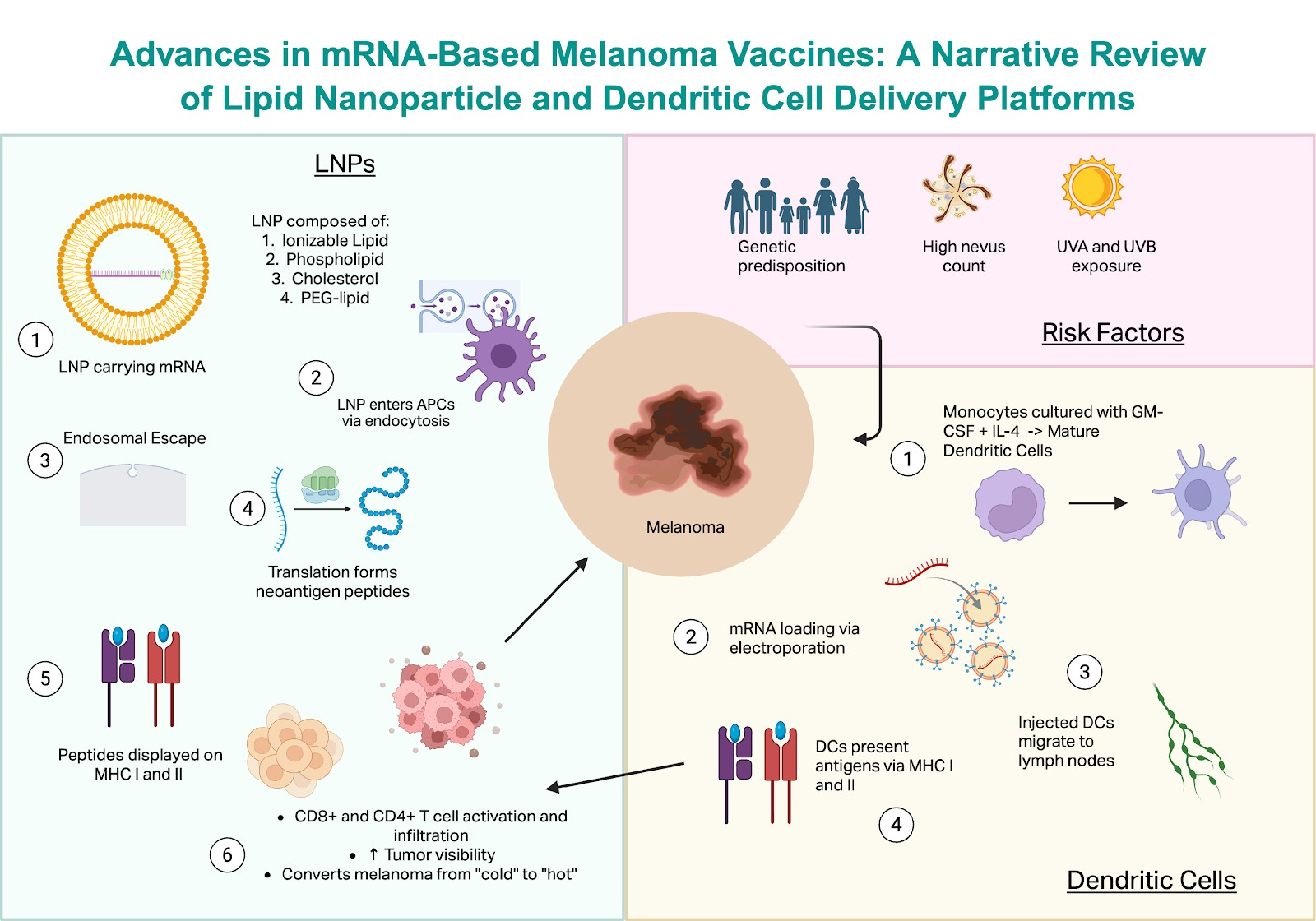
In a truly landmark moment for cancer treatment, Moderna and Merck have announced that their personalized mRNA cancer vaccine, intismeran autogene, significantly extended the time high-risk melanoma patients remained cancer-free when combined with Keytruda. The announcement on August 19, 2026, marks the first successful Phase 3 clinical trial for an individualized neoantigen therapy and an mRNA-based cancer treatment, opening a revolutionary new chapter in how we fight cancer. This breakthrough vaccine, known as intismeran autogene (V940 or mRNA-4157), works by analyzing a patient's unique tumor genetic fingerprint to create a custom-made treatment that trains the immune system to recognize and attack specific cancer cells. In earlier Phase 2b data, the combination with Merck widely used immunotherapy, Keytruda (pembrolizumab), reduced the risk of melanoma recurrence or death by 49% and distant metastasis or death by 59%. The success in this late-stage trial, involving 1,137 patients, provides strong validation for the mRNA platform's potential beyond infectious diseases, paving the way for a new generation of highly targeted cancer therapies. With these positive topline results, Moderna and Merck plan to present the full data at an upcoming international medical meeting and quickly engage with regulatory authorities for potential approval. Beyond melanoma, the personalized mRNA vaccine approach is already being tested in other aggressive cancers, including lung, bladder, and kidney cancers, signaling a future where individualized cancer treatment could become a standard, moving away from 'one-size-fits-all' approaches. This development could fundamentally reshape oncology in the coming decade, offering renewed hope to countless patients.