Gaza's Future in Limbo: Peace Board's Plans Stall Amid Disarmament, Immunity Debate
Context mode is active. Hover over any highlighted term to see its definition. Click a nested term to go deeper.
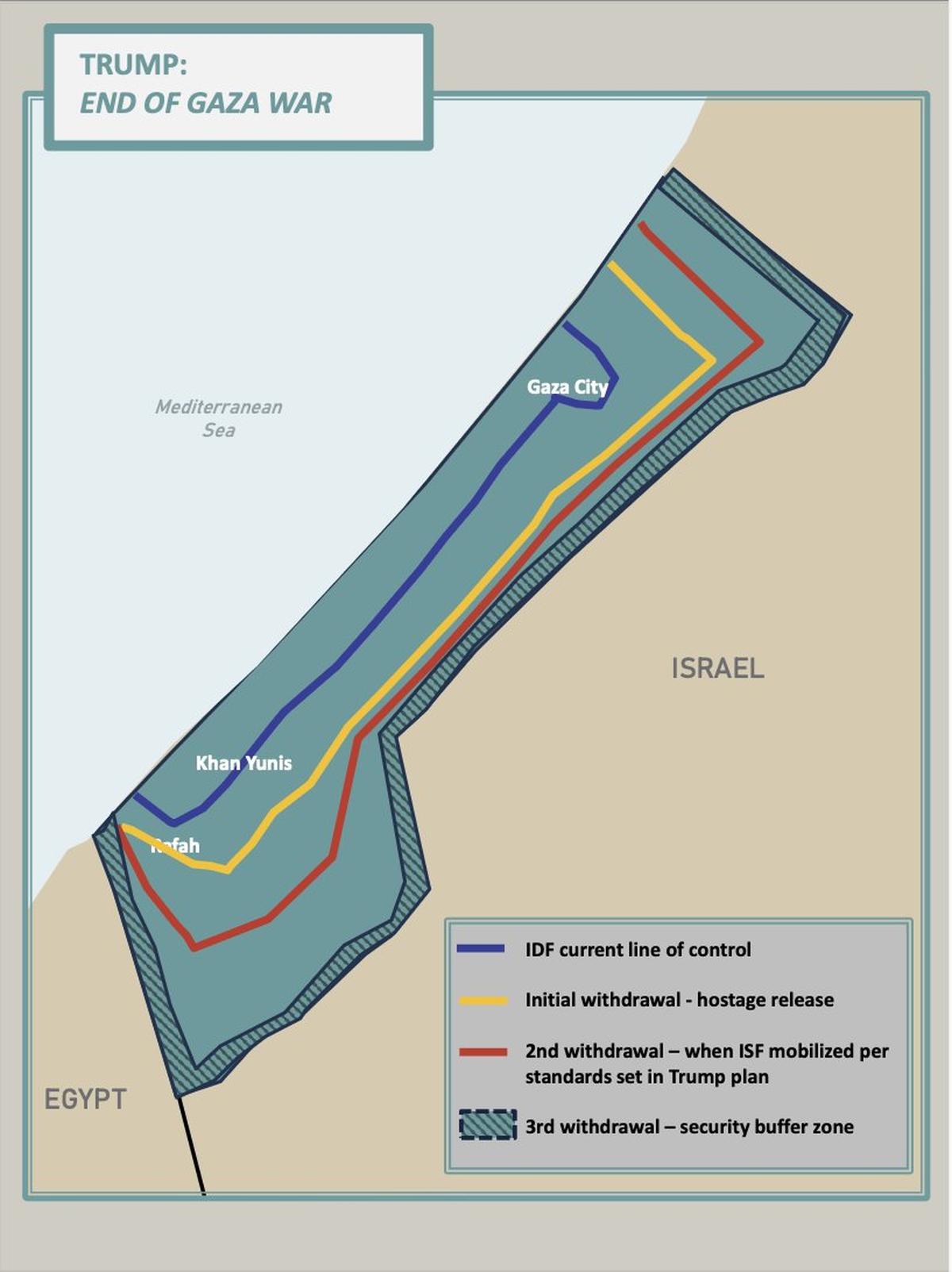
The US-led Board of Peace (BoP) is finalizing blueprints for Gaza's post-war governance, but its vision remains stuck in neutral as a committee of Palestinian technocrats tasked with replacing Hamas continues to attend workshops in Cairo, unable to enter the Strip. Key disarmament talks remain stalled, humanitarian conditions are dire, and a controversial legal immunity framework proposed by the BoP is raising serious questions about accountability for international actors and technocrats in the war-ravaged territory. The main roadblocks are Hamas refusal of full disarmament and Israel's expanded control over 60-70% of Gaza, pushing beyond the terms of the October 2025 US-brokered ceasefire. The International Stabilization Force (ISF), meant to secure the region, is far from its envisioned strength, lacking crucial Israeli approvals for deployment. Meanwhile, nearly two years after the devastating October 7 attack, Gaza civilians face immense suffering, with over a thousand fatalities since the ceasefire began and billions needed for reconstruction, all while aid access remains insufficient. The immediate future hinges on overcoming the deadlock in disarmament negotiations and securing Israeli buy-in for both the NCAG entry and the ISF deployment. The proposed sweeping immunity for BoP officials and contractors further complicates matters, stirring fears of a 'legal black hole' in Gaza. As the technocrats wait, the fragile peace plan risks unravelling, leaving Gaza's long-term stability and accountability in a deeply uncertain state.