Gene Editing & Perfusion Tech Merge, Offering Hope for Thousands of Discarded Organs
Context mode is active. Hover over any highlighted term to see its definition. Click a nested term to go deeper.
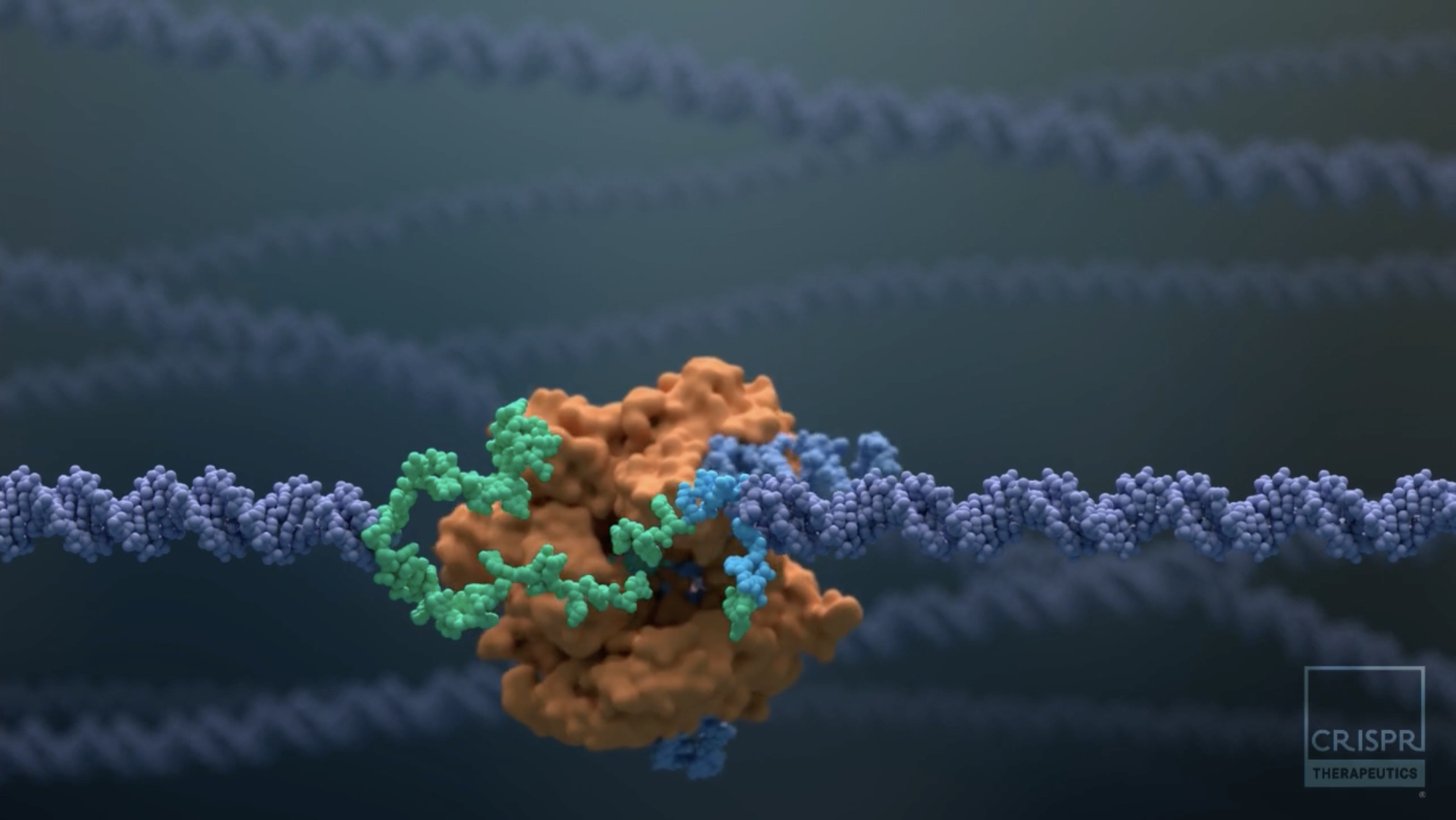
A groundbreaking convergence of gene editing and advanced organ preservation technology is set to revolutionize organ transplantation, potentially rescuing over 28,000 organs currently discarded annually in the U.S. A new roadmap published in Nature Reviews Bioengineering details how CRISPR-based gene editing, specifically RNA silencing, can be integrated during machine perfusion to improve organ quality and tackle infections before transplant. This comes as the FDA just approved United Therapeutics' LungFX device on June 29, 2026, marking a significant step for centralized ex vivo lung perfusion (EVLP) to assess and recondition donor lungs outside the body. The implications are massive for the persistent organ transplant shortage, which leaves over 100,000 Americans waiting for a life-saving transplant, with about 13 people dying daily. Historically, many donor organs, particularly lungs, are deemed unsuitable due to quality concerns or latent infections, leading to a high discard rate—over 80% for lungs. The FDA's green light for LungFX, the first EVLP device for centralized facilities, expands access and provides a crucial 'perfusion window' for intervention, making more marginal organs viable. While United Therapeutics plans to integrate LungFX into its services in 2027, the challenge now lies in translating the CRISPR roadmap from concept to clinical reality. Researchers must overcome hurdles like tissue penetration, donor variability, and regulatory considerations for gene-edited organs. However, the synergy between these two cutting-edge technologies creates a powerful new frontier, offering a real chance to dramatically increase the number of available organs and redefine the future of transplant medicine, moving beyond assessment to active repair.