Germany Erupts in Protest as Far-Right AfD Nears State Power Since Nazi Era
Context mode is active. Hover over any highlighted term to see its definition. Click a nested term to go deeper.
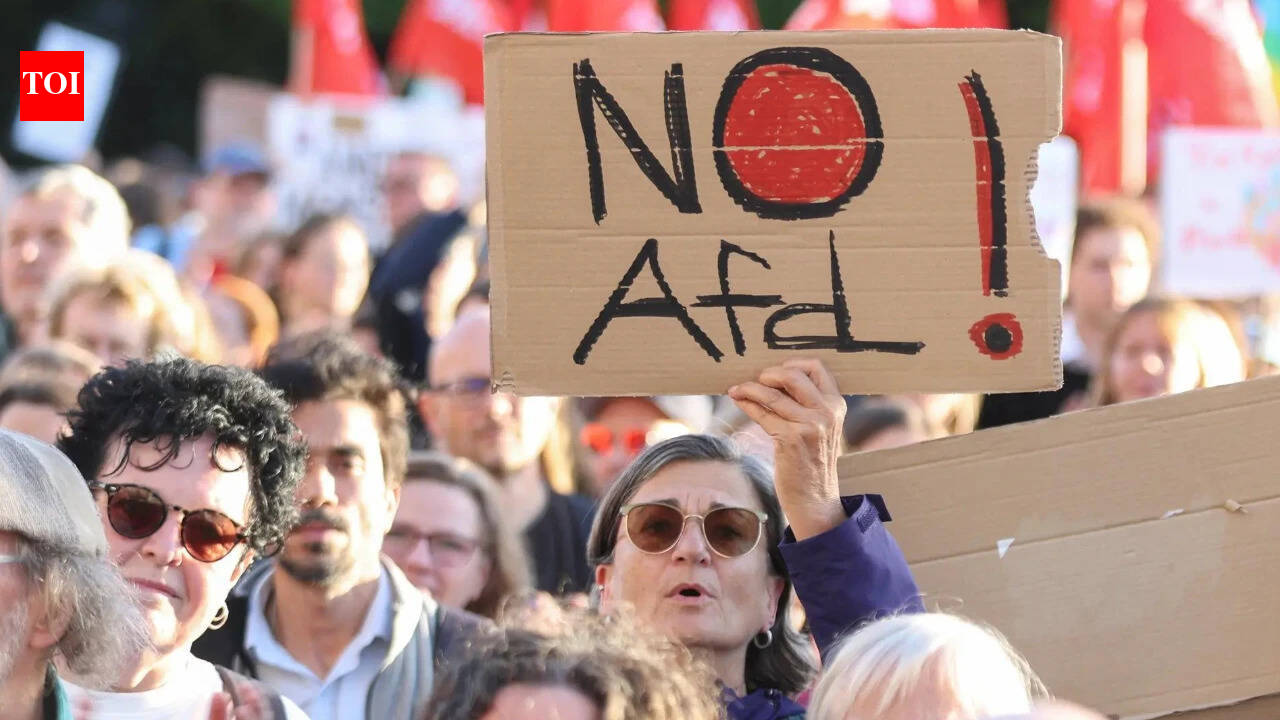
Thousands of Germans flooded city streets across the nation on September 8, 2026, protesting the far-right Alternative for Germany (AfD) party, just two days after its historic victory in the Saxony-Anhalt state election. The AfD secured nearly 44% of the vote, marking its strongest-ever state result and positioning a far-right party closer to state governance than any since the Nazi Party ruled Germany. The surprising outcome in Saxony-Anhalt has put immense pressure on Chancellor Friedrich Merz and his mainstream Christian Democratic Union (CDU), whose support in the state was drastically cut in half. Germany's traditional 'firewall' (Brandmauer) – a political agreement by mainstream parties not to cooperate with the AfD – now faces its sternest test. The AfD, classified as 'right-wing extremist' by Germany's domestic intelligence agency, advocates for controversial policies including 'remigration' (mass deportations), an anti-EU stance, and closer ties with Russia. While the AfD fell just three seats short of an absolute majority in Saxony-Anhalt, the path to forming a government remains uncertain as other parties are hesitant to break the 'firewall'. All eyes are now on upcoming state elections on September 20 in Berlin and Mecklenburg-Western Pomerania, where the AfD's momentum could lead to further gains. With the AfD also leading national polls at 28%, this electoral shift signals a potentially profound and lasting change in the German political landscape.