Germany hit by record temperatures as heatwave moves east
Context mode is active. Hover over any highlighted term to see its definition. Click a nested term to go deeper.
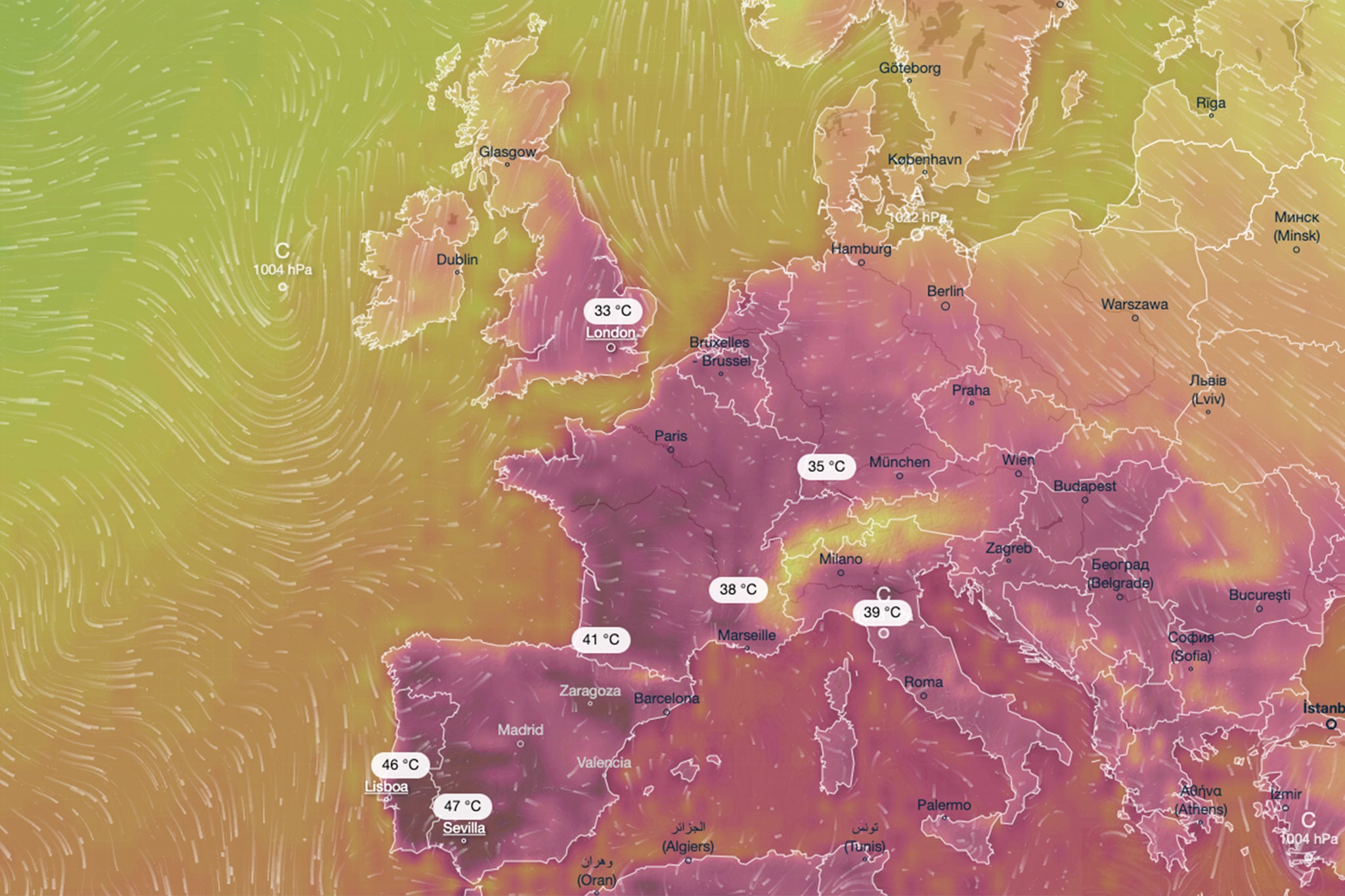
Germany is currently baking under an unprecedented heatwave, hitting a preliminary national record of 41.3°C near Saarbrücken on Friday, June 26, 2026, as the sweltering weather system pushes eastward across the continent. This deadly heat, already linked to numerous fatalities in Western Europe, is now challenging more temperature records as it grips Germany, with forecasts suggesting some areas could hit 42°C over the weekend, before intense thunderstorms arrive on Sunday. Public services are struggling, with major rail disruptions and events being cancelled or shortened. This isn't just a bad summer; scientists from the World Weather Attribution (WWA) confirm this heatwave would be 'virtually impossible' without human-caused climate change, making such extreme events tens to hundreds of times more likely than in previous decades. The persistent 'Omega Block' weather pattern is trapping this scorching air, exposing Europe's infrastructure, largely built for cooler climates, to critical strain like buckling train tracks and damaged highways. An Allianz study warns Germany alone could face $131 billion in economic losses between 2026-2030 from reduced productivity and higher energy costs if current trends continue, highlighting the severe economic fallout of this climate reality. As the intense heat shifts towards Poland and the Baltics, authorities across affected nations are urging water conservation and bracing for the continued strain on healthcare and emergency services. While heavy thunderstorms are expected to offer some relief over the weekend, the critical question remains whether European societies can quickly adapt their infrastructure and public health strategies to withstand what is rapidly becoming the new normal: a hotter, more unpredictable climate. This record-breaking June serves as a stark warning for urgent and sustained action.