Germany’s far-right and hard-left politics boomerang back to the horseshoe theory
Context mode is active. Hover over any highlighted term to see its definition. Click a nested term to go deeper.
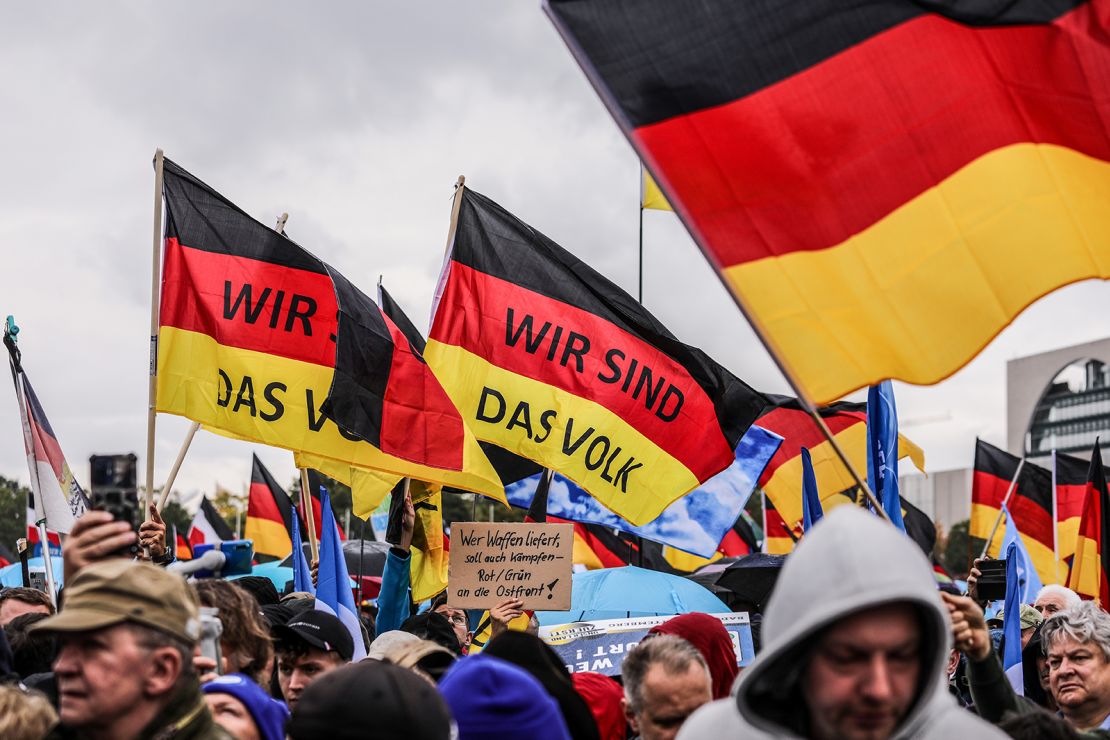
In a development jarring Germany's political establishment, reports suggest the Bündnis Sahra Wagenknecht (BSW) party, struggling for a decisive foothold ahead of the 2025 federal election, is increasingly identifying areas of tactical cooperation with the far-right Alternative for Germany (AfD). This potential "horseshoe" convergence, driven by shared disaffection with mainstream parties and common positions on immigration and foreign policy, marks a significant, albeit politically fraught, pivot for the hard-left populist newcomers. The proposed alignments underscore a deepening populist current, particularly in Germany's eastern states where both parties exhibit strong electoral appeal by tapping into a vein of economic grievance and anti-establishment sentiment. While BSW's founder Sahra Wagenknecht has publicly ruled out formal coalitions with the AfD at the federal level, regional party officials are reportedly less rigid, eyeing potential municipal or state-level synergies to break the political deadlock. Recent polls indicate sustained high support for the AfD and BSW hovering near the 5% Bundestag entry threshold, intensifying pressure on BSW to find pragmatic pathways to power. Observers are now scrutinizing how such a convergence, even informal, could destabilize existing political conventions and what it means for Germany's upcoming electoral cycle. A BSW-AfD rapprochement could force established parties to recalibrate their strategies, potentially pushing the center further to the right on issues like immigration. The critical question remains whether BSW can balance its distinct left-leaning social welfare platform with the nativist agenda of the AfD without alienating its core progressive base.