Giant Clam's Ancient Diary Reveals Great Barrier Reef's Pre-Warming Climate Secrets
Context mode is active. Hover over any highlighted term to see its definition. Click a nested term to go deeper.
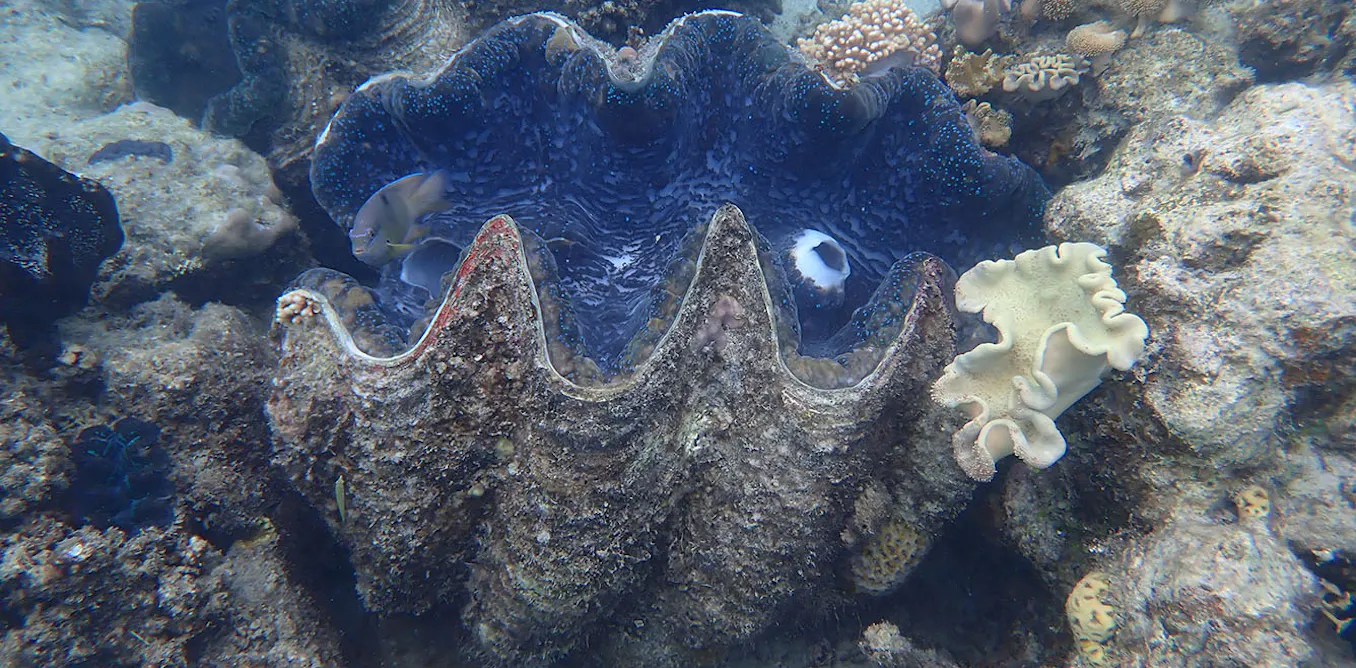
Scientists have just unlocked a 200-year-old climate diary hidden inside a giant clam shell from the Great Barrier Reef, giving us a rare, month-by-month look at the reef's weather before global warming kicked in. This groundbreaking research, published today, reveals that summers in the northern Great Barrier Reef were significantly cooler (nearly 1°C colder) between 1785 and 1827 compared to today, while winters surprisingly remained quite similar. The findings provide a crucial missing piece in our understanding of natural climate changes before human activities began to heavily impact Earth's temperatures, offering invaluable data for future climate predictions. This 'shell diary' comes from a period known as the late Little Ice Age, and its detailed chemical records, like oxygen and carbon isotopes, offer an unprecedented resolution into past sea temperatures and rainfall patterns. Researchers found clear cycles consistent with El Niño-like and La Niña-like variability, highlighting the reef's natural climate swings even centuries ago. This historical data is vital because the Great Barrier Reef is currently facing extreme pressure from climate change, with mass coral bleaching events, like the severe one in 2024, causing widespread damage. While recent reports from August 2026 show some limited recovery in coral cover, experts warn the reef remains highly vulnerable and these brief recoveries don't erase the long-term volatility caused by rising temperatures. The insights from this ancient clam offer a clearer picture of the Great Barrier Reef's natural resilience and vulnerabilities, helping scientists improve climate models and conservation strategies. Moving forward, researchers will likely use these detailed pre-industrial records to better distinguish between natural climate variability and human-caused changes, hopefully leading to more effective ways to protect the reef and other marine ecosystems from the ongoing threats of ocean warming and acidification. It's a stark reminder that understanding the past is key to saving our future oceans.