Global Markets Soar on Tech Revival and Hormuz Reopening Hopes
Context mode is active. Hover over any highlighted term to see its definition. Click a nested term to go deeper.
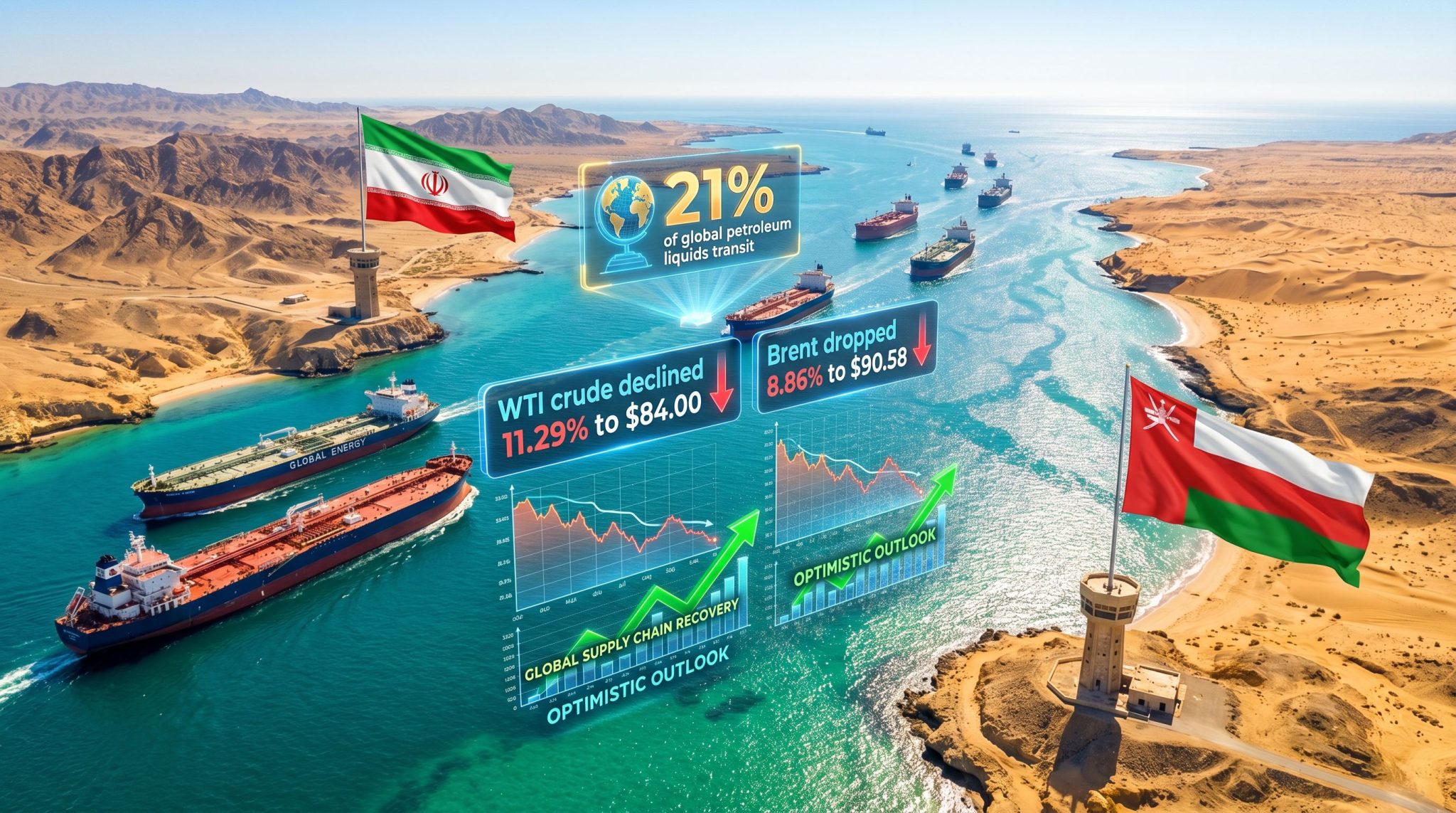
North American markets roared back to life on Tuesday, August 4, 2026, with major Canadian and U.S. stock indices hitting record or near-record highs as investors embraced renewed tech optimism and a sudden surge of hope for the reopening of the crucial Strait of Hormuz. Canada's S&P/TSX Composite Index jumped over 575 points to 35,801.59, while U.S. counterparts like the Dow Jones Industrial Average and S&P 500 saw significant gains, with the Nasdaq Composite surging over 670 points as tech shares led the charge. This rally signals a powerful shift in sentiment, overcoming recent concerns about market stability. The day's bullish turn was fueled by a potent combination of factors. Despite lingering worries about a 'frothy tech market'—a term describing overvalued tech stocks driven by hype rather than pure fundamentals—investors poured back into the sector, with Canadian firms like Shopify and U.S. giants like Palantir Technologies seeing massive gains, largely spurred by ongoing AI advancements and strong earnings reports. Concurrently, global oil markets reacted sharply to news that Iran and Oman were nearing a deal to reopen the Strait of Hormuz, a critical shipping lane in the Middle East that has been severely restricted by an ongoing war between the U.S. and Iran since February 2026. This diplomatic progress, hinted at by U.S. Treasury Secretary Scott Bessent, sent WTI crude oil prices tumbling over 6% to $75.32 a barrel, easing fears of sustained energy supply shocks and potentially alleviating global inflationary pressures. Looking ahead, market watchers will be laser-focused on the next steps in the Iran-Oman negotiations, with U.S. officials suggesting a deal could be imminent as early as today or tomorrow. The success or failure of these talks will profoundly influence global oil prices and broader market stability, especially given that even with optimistic sentiment, shipping through Hormuz remains far below normal levels and risks are elevated amid ongoing hostilities. Investors will also scrutinize upcoming tech earnings reports and any further commentary from the Federal Reserve regarding interest rates, as lower oil prices could provide more leeway for monetary policy.