Global Oil Market Roiled: Wars, Sanctions, and OPEC+ Cuts Stoke Price Fears
Context mode is active. Hover over any highlighted term to see its definition. Click a nested term to go deeper.
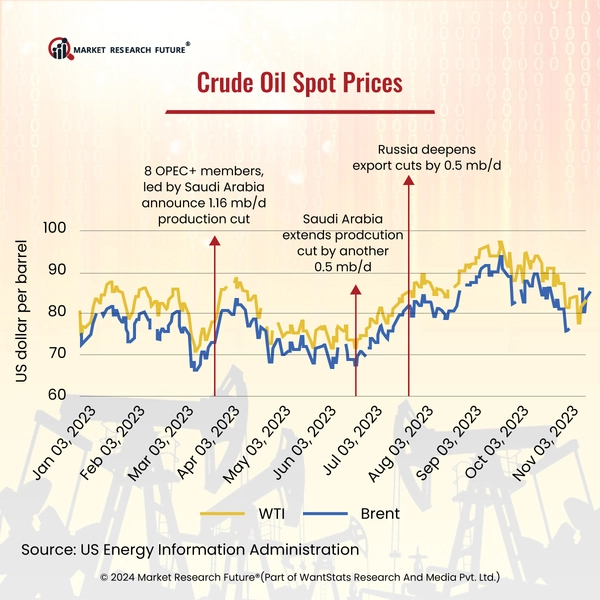
The global oil market is grappling with unprecedented volatility this July, as renewed military actions in the Gulf and ongoing disruptions from the Iran War, coupled with fresh OPEC+ production cuts, send Brent crude prices surging above $85 per barrel. Just days after a US-Iran Memorandum of Understanding to reopen the vital Strait of Hormuz abruptly collapsed, American forces launched missile strikes and reinstated a naval blockade, plunging critical shipping lanes into further uncertainty. These escalating geopolitical tensions are colliding with OPEC+'s recent decision on July 5th to reduce collective oil output by 188,000 barrels per day starting in August, aiming to stabilize a market already teetering on the edge. While countries like Venezuela are slowly recovering their production capabilities following eased US sanctions and a leadership change, the gains are marginal compared to the severe disruptions, including attacks on Russian refineries and the continued closure of a strait responsible for 20-25% of the world's seaborne oil and gas. The International Energy Agency now forecasts a 1 million barrels per day drop in global oil demand for 2026 due to the war's economic fallout, but the dwindling crude oil surplus offers little comfort against a major supply shock. For major importers like India, which relies on foreign sources for 90% of its crude, the situation is precarious. A sustained rise in Brent crude prices could inflate India's oil import bill by an additional $42 million daily for every $10 increase, fueling domestic inflation and putting immense pressure on the rupee. While Indian refiners have diversified their sourcing, notably increasing Russian crude imports to record highs in June, and secured near-term supplies, the looming threat of wider supply disruptions and increased freight costs means that both households and the broader economy face significant headwinds if global stability doesn't return soon.