Global Oil Surges, KLCI Rises as US Blockade Ignites Strait of Hormuz Tensions
Context mode is active. Hover over any highlighted term to see its definition. Click a nested term to go deeper.
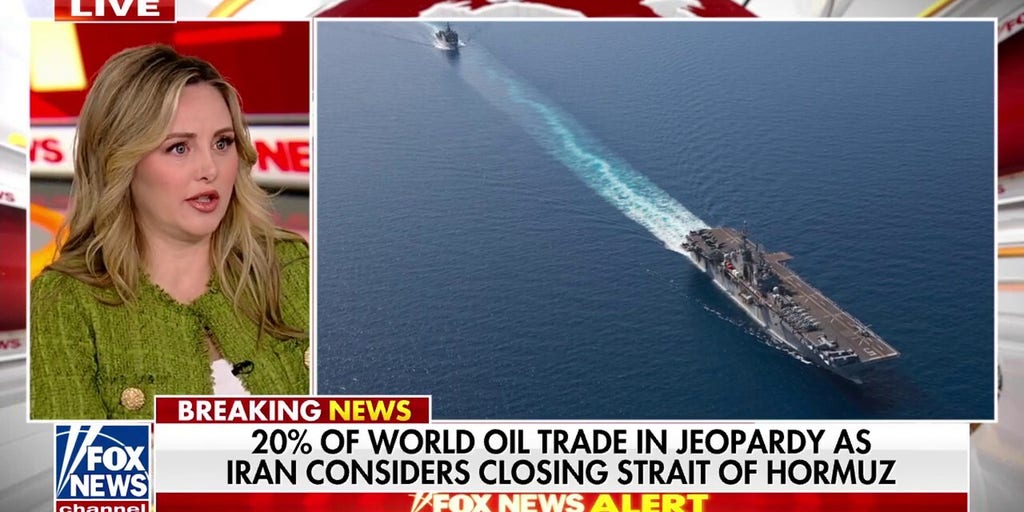
Global markets are on edge after US President Donald Trump announced the reinstatement of a naval blockade on Iran in the critical Strait of Hormuz, a move that sent crude oil prices soaring and helped Malaysia's FBM KLCI reclaim the 1,700-point level. Brent crude futures, a key global benchmark, jumped by more than 9% overnight to nearly US$85 a barrel, while US West Texas Intermediate (WTI) crude also saw significant gains, rising over 9% to top US$80 a barrel. This sharp escalation in geopolitical tension immediately hit energy supply fears, pushing the Kuala Lumpur Composite Index to close at 1,719.94, its highest in three weeks, driven by a rally in oil and gas heavyweight stocks. The sudden policy reversal by the US, which previously advocated for free passage through the strait, comes amidst intensified exchanges of attacks between Washington and Tehran, with both nations asserting control over the vital waterway. The Strait of Hormuz, a narrow channel through which about one-fifth of the world's oil and gas supplies typically pass, has been a flashpoint since Iran initially closed it in February 2026, causing widespread economic disruptions globally. A fragile interim truce signed last month, which had seen oil prices drop to multi-year lows, has now seemingly unraveled, highlighted by recent attacks on UAE tankers in the strait that even tragically killed an Indian crew member. The immediate future points to heightened market volatility and increased global economic uncertainty. Beyond the direct impact on energy prices and stock markets, the sustained rise in crude oil could worsen inflation and pressure central banks worldwide to consider raising interest rates, further slowing economic growth. Observers will be closely watching for any diplomatic efforts to de-escalate the situation, as well as how international maritime laws on freedom of navigation will be challenged by the US proposal to levy a 20% toll on all cargo transiting the strait.