Global Push to Curb Dynamic Pricing, Citing Unfairness and Consumer Exploitation
Context mode is active. Hover over any highlighted term to see its definition. Click a nested term to go deeper.
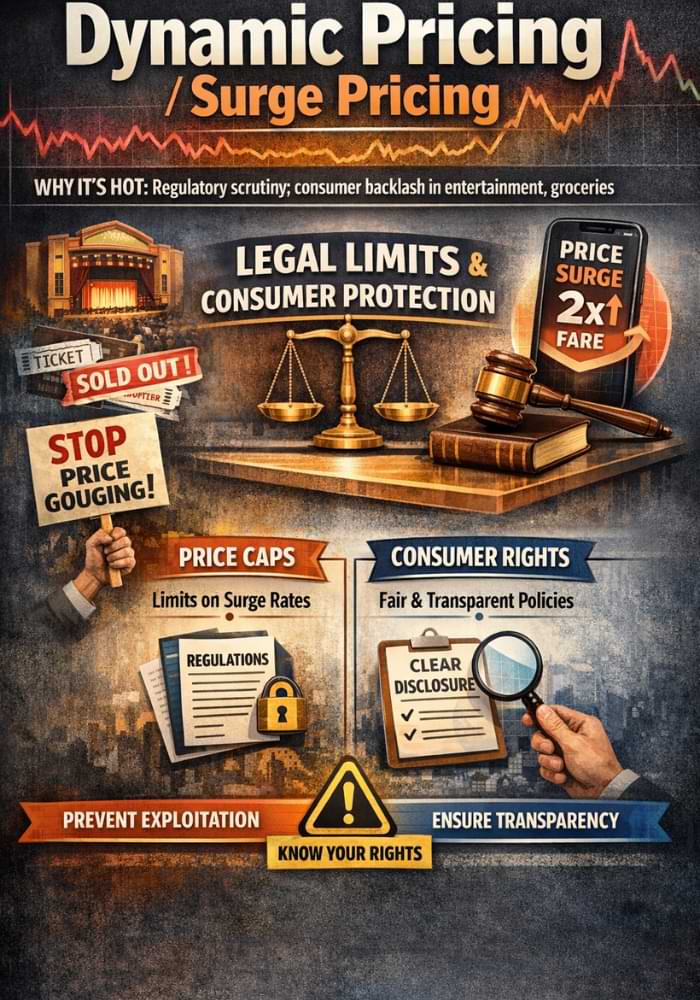
A global outcry against 'dynamic pricing,' where algorithms silently adjust what you pay based on personal data, is sparking a wave of new regulations. Just this year, Maryland passed a landmark law, effective October 1, 2026, banning grocery stores and third-party delivery services from using your personal information to hike prices. This move comes as New Jersey also clamps down, and New York lawmakers approved similar restrictions, signaling a growing push across the United States to protect consumers from what many call 'surveillance pricing' in everyday purchases. The debate isn't just local; it's a worldwide fight for fair prices. The U.S. Federal Trade Commission (FTC) is deeply investigating these practices, launching a formal rulemaking process in April 2026 to tackle 'junk fees' and deceptive pricing, especially in online food and grocery delivery. Meanwhile, the European Union is also scrutinizing dynamic pricing, following controversies like surging concert ticket costs, and is drafting a Digital Fairness Act to enhance transparency. Even in India, while dynamic pricing isn't outright banned, the Consumer Protection Act 2019 allows intervention against 'unfair trade practices' that exploit consumer information, highlighting global concerns over fairness and trust in our digital marketplaces. With more than 40 dynamic pricing bills introduced across 24 U.S. states in 2026 alone, companies are now facing a confusing mix of state-level rules and federal scrutiny. Regulators aim to balance innovation with consumer protection, questioning whether AI-powered pricing benefits everyone or just exploits those least able to compare prices. The coming months will likely see more states follow Maryland's lead, pushing businesses to rethink how they set prices and be more open about it, or face significant penalties.