GLP-1 Drugs Slash Hospital Stays for Schizophrenia Patients, Sparking Hope
Context mode is active. Hover over any highlighted term to see its definition. Click a nested term to go deeper.
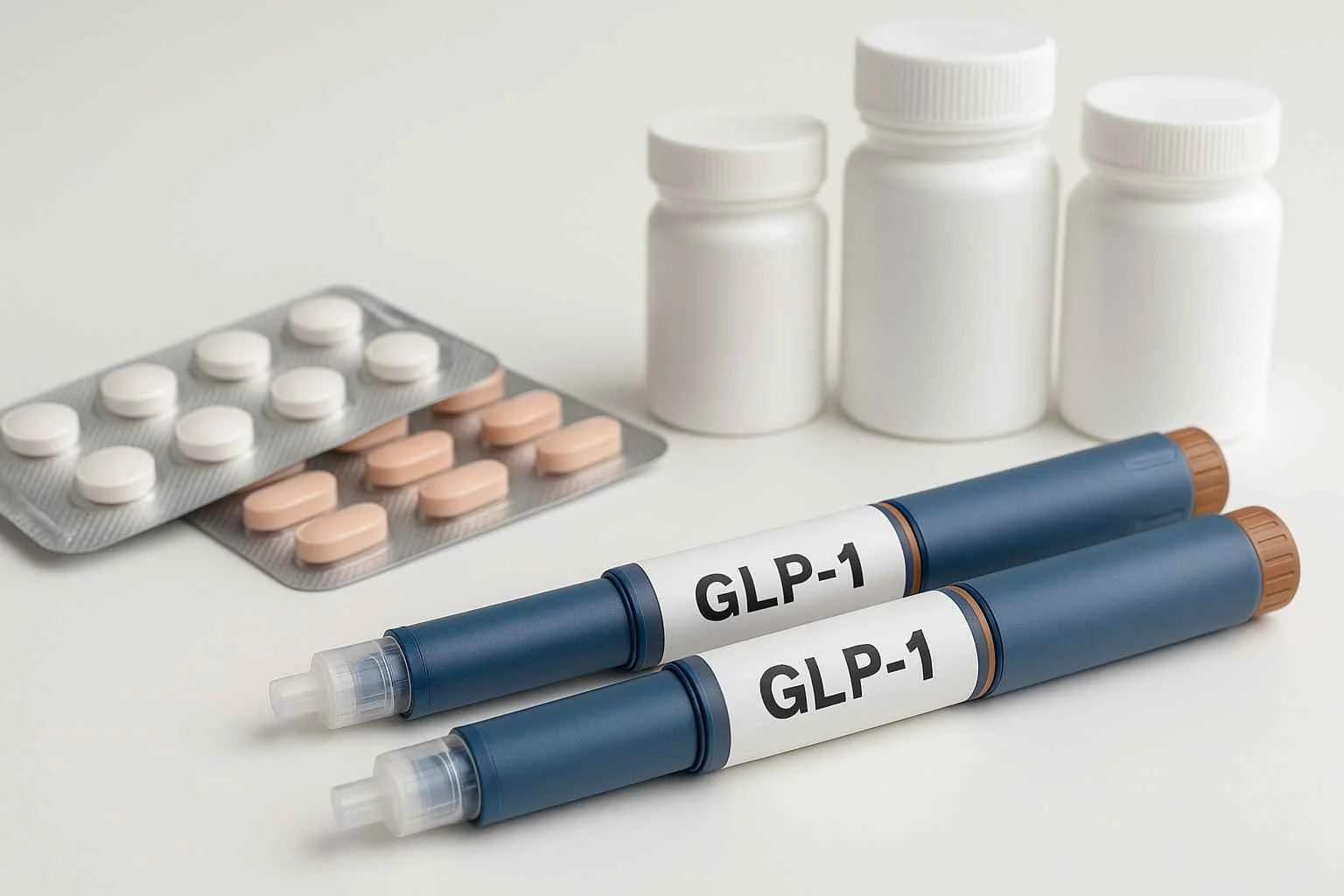
Groundbreaking new research published in The Lancet Psychiatry reveals that GLP-1 drugs, widely known for treating type 2 diabetes and obesity, significantly cut the need for acute psychiatric care in patients battling both schizophrenia and type 2 diabetes. The large observational study found that individuals on GLP-1s experienced a 24% lower risk of psychiatric hospitalization and a 29% reduced risk of emergency department visits for mental health crises compared to those not on these medications. This finding is a major turning point, especially given that antipsychotic medications often lead to weight gain and metabolic health issues, including a two- to five-fold increased risk of type 2 diabetes in schizophrenia patients. The study, led by Najmeh Davoodian from Deakin University, even suggested that the psychiatric benefits of GLP-1s might go beyond just weight loss, showing positive effects regardless of whether patients shed pounds. Comparisons with other diabetes treatments like DPP-4 and SGLT2 inhibitors also showed GLP-1s to be more effective in reducing psychiatric acute care. While promising, researchers are emphasizing that GLP-1s should not yet be considered a primary treatment for schizophrenia. The observational nature of the study means more rigorous randomized controlled trials are urgently needed to confirm these benefits and explore their potential for schizophrenia patients who do not have type 2 diabetes. This ongoing research could redefine how we manage overlapping metabolic and mental health challenges, offering a glimmer of hope for better patient outcomes.