Govt ends over-the-counter sales of all 'syrups'; mandates doctor's prescription for purchase
Context mode is active. Hover over any highlighted term to see its definition. Click a nested term to go deeper.
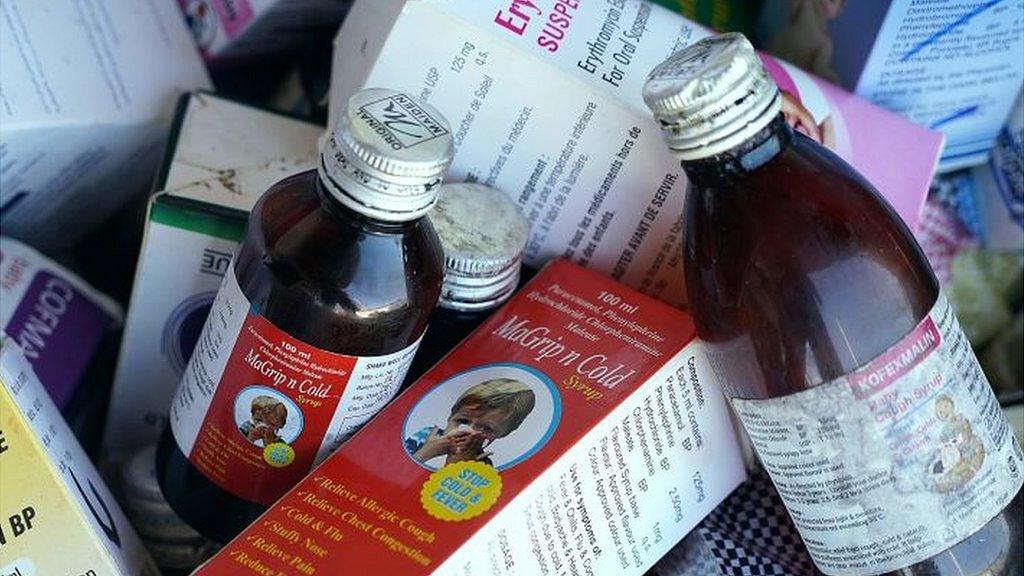
India's Union Ministry of Health and Family Welfare has abruptly pulled all syrups, including common cough formulations, from over-the-counter sale, mandating a doctor's prescription for purchase nationwide, effective June 9, 2026. This sweeping regulatory overhaul, enacted through the Drugs (Fifth Amendment) Rules, 2026, directly confronts a pervasive culture of self-medication and aims to enhance public safety following a series of tragic incidents. The drastic measure stems from intensified scrutiny after Indian-manufactured cough syrups were linked to numerous child fatalities both domestically in Madhya Pradesh and Rajasthan, and internationally in countries like The Gambia, Uzbekistan, and Cameroon due to contamination with toxic substances like diethylene glycol (DEG) and ethylene glycol (EG). By removing 'Syrups' from Schedule K of the Drugs Rules, 1945, which previously allowed exemptions for certain OTC sales, the government is placing all liquid oral formulations under stricter regulatory oversight. This shift profoundly impacts the Indian pharmaceutical industry, with major players like Cipla, Sun Pharma, Dr Reddy's, and Glenmark already seeing their shares decline, as a significant revenue stream from branded OTC syrups is now disrupted. Pharmacies across India now face the immediate challenge of enforcing the new prescription-only rule, while millions of consumers accustomed to easy access to remedies for common ailments must adjust to seeking a medical consultation. This move is expected to strain healthcare infrastructure by increasing patient footfall for minor conditions and potentially give rise to informal drug sales, although authorities aim for greater traceability and compliance with quality control requirements. The focus now shifts to rigorous enforcement by the Central Drugs Standard Control Organization (CDSCO) and state drug controllers to ensure that a public health crisis does not merely transform into a new set of access challenges.