Graham's Final Sanctions Bill: A 'Bone-Crushing' Blow to Russia's Oil Buyers
Context mode is active. Hover over any highlighted term to see its definition. Click a nested term to go deeper.
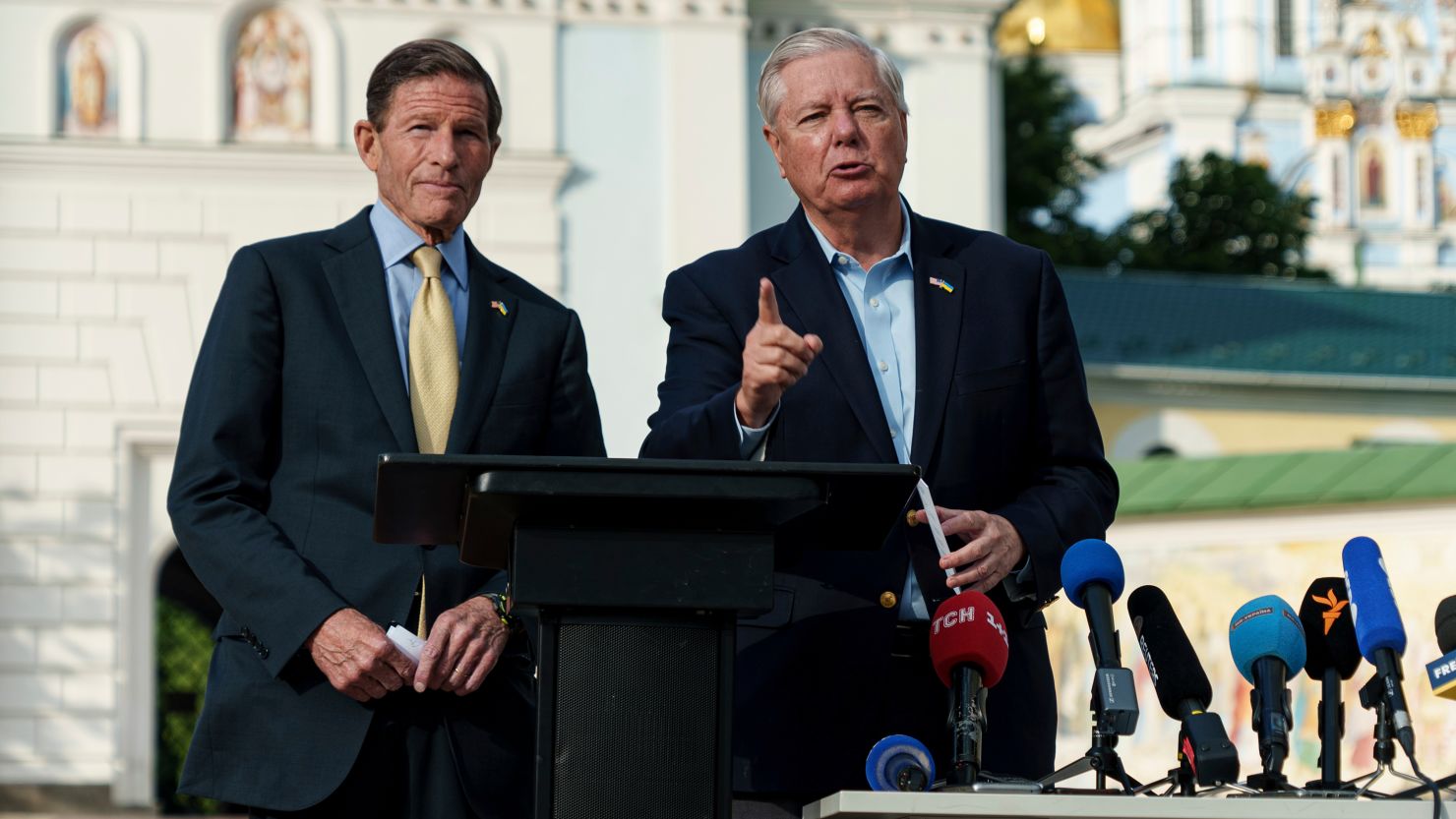
In a dramatic legislative push days before his passing, US Senator Lindsey Graham struck a deal with the Trump administration on July 10, 2026, to advance a revised, bipartisan sanctions bill targeting countries that continue to purchase Russian energy. This 'Sanctioning Russia Act,' co-sponsored by key senators, promises 'bone-crushing' tariffs, potentially up to 500%, on imports from nations fueling Moscow's war machine, marking a significant escalation in Western economic pressure. The proposed legislation, a shift from earlier presidential hesitations, aims to choke off Russia's vital oil revenues amidst the ongoing Ukraine war and mounting global concerns over its financing. Major importers like China and India, who collectively account for a dominant share of Russia's fossil fuel exports, are squarely in the crosshairs, facing severe economic ramifications on their own exports to the US. This move comes as Ukraine's drone attacks have already crippled a significant portion of Russia's refining capacity, leading to domestic fuel shortages and impacting its export capabilities. While the bill includes a presidential waiver clause for national security interests, its imminent rollout will force difficult choices for nations balancing economic ties with Russia against potential crippling tariffs from the US. Observers will be closely watching for the exact details of the softened tariff provisions and how countries like India, currently importing record volumes of Russian crude, navigate this complex geopolitical and economic minefield to avoid a major trade disruption.