Greece Pitches EU to Suspend Asylum Rights Amid "Weaponized" Migration Surges
Context mode is active. Hover over any highlighted term to see its definition. Click a nested term to go deeper.
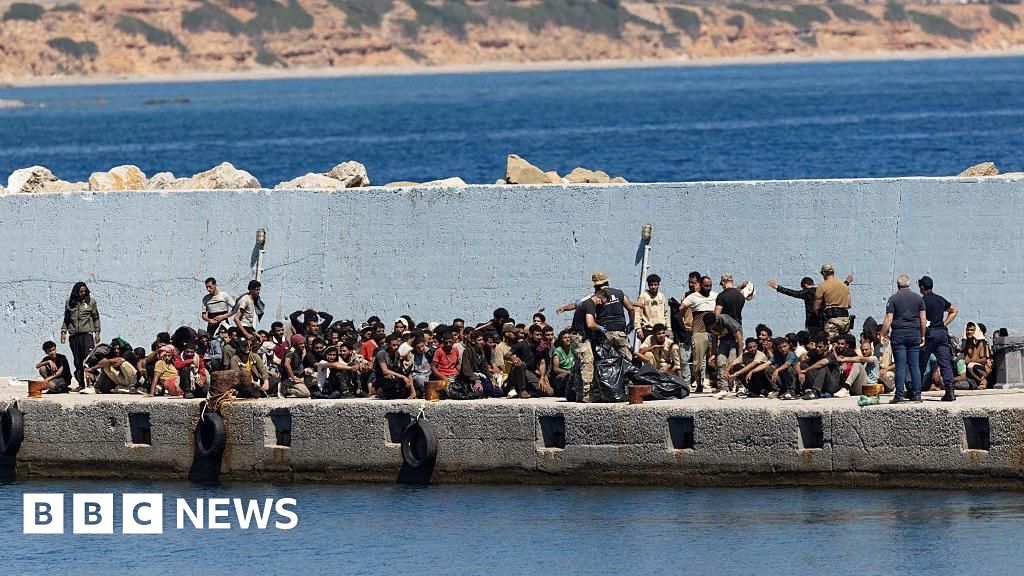
Greece is spearheading a controversial push within the European Union, urging member states to temporarily suspend the fundamental 'right to asylum (EU)' during severe 'migration crisis' events, especially when migrant flows are seen as a 'hybrid threat' by 'third countries (migration context)'. The proposal, presented by Greek Migration Minister Thanos Plevris to EU interior ministers on Thursday, suggests activating a 'Special Derogation Regime' to treat sudden, large-scale arrivals as border management issues, not individual asylum cases. This move comes as several EU governments, including Germany and the Netherlands, appear open to the idea, signaling a significant potential shift in the bloc's approach to migration. This urgent call for a tougher stance is fueled by recent events like the 'Ceuta Influx' in Spain, where over 72,000 migrants arrived in late July, overwhelming existing systems. Athens argues that the recently activated 'Pact on Migration and Asylum' (June 2026), while an improvement, still lacks the necessary tools to handle such rapid, large-scale emergencies, particularly when migration is deliberately 'instrumentalized' by external actors. The situation underscores growing anti-immigration sentiment across Europe, which has bolstered nationalist parties and pushed governments towards more stringent border controls and expedited returns. Looking ahead, the 'European Commission' is already working on a new 'EU Emergency Response Framework', with President Ursula von der Leyen having announced such plans two weeks prior to Greece's proposal. While Commissioner Magnus Brunner stressed adherence to international law, he acknowledged weaponized migration as a security concern. Discussions also continue on establishing 'return hubs' in 'third countries (migration context)', with Greece targeting an African location for operations by late 2027. The evolving debate at the 'Justice and Home Affairs Council' highlights a critical juncture for EU migration policy, balancing humanitarian obligations with security concerns.