Green Aviation's Fuel Fiasco: Supply Shock Exposes Fragility
Context mode is active. Hover over any highlighted term to see its definition. Click a nested term to go deeper.
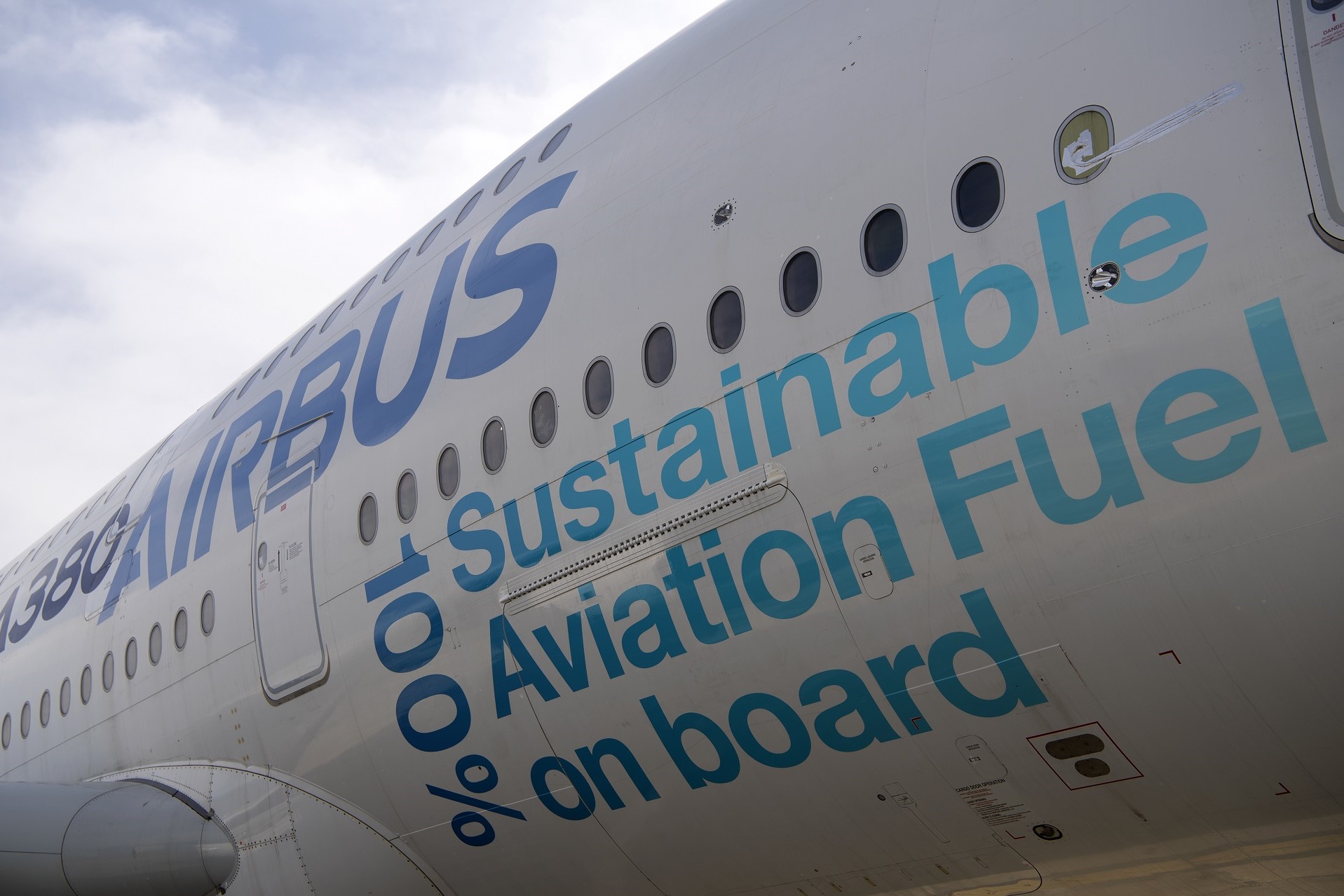
The aviation industry's ambitious decarbonization roadmap is hitting turbulence, as a critical report from the International Air Transport Association (IATA) reveals that Sustainable Aviation Fuel (SAF) production will only reach a paltry 0.8% of airline fuel use this year. This stark reality comes after the February 2026 closure of the Strait of Hormuz triggered a global energy shock, exposing how fragile the current SAF supply chain is and driving conventional jet fuel prices to record highs. Airlines are now facing an additional $4.3 billion in fuel costs this year, making the transition to greener alternatives an even tougher flight path. At the heart of the crisis is SAF narrow feedstock base, primarily Hydroprocessed Esters and Fatty Acids (HEFA) derived from used cooking oil and animal fats, which are finite and fiercely competed for by other transport sectors. IATA points to ineffective government policies that mandate SAF consumption without assuring sufficient supply, pushing prices to 2.5 times that of conventional jet fuel. This structural issue, compounded by a lack of significant investment from major oil companies in new SAF production capacity, threatens to derail the industry's commitment to net-zero emissions by 2050. Looking ahead, the industry desperately needs to diversify its feedstock sources and accelerate the commercialization of advanced pathways like Alcohol-to-Jet (ATJ) and Power-to-Liquids (PtL/e-SAF), many of which are still struggling to reach Final Investment Decision (FID). While regions like Asia-Pacific are showing growth potential, Europe remains highly exposed to imported feedstock, intensifying geopolitical risks. Without a coordinated global effort, robust policy frameworks, and massive capital infusions, aviation's green aspirations risk being grounded by economic and supply chain realities.