Gujarat Court Cites Ancient Texts, Awards Life for Cow Slaughter to Three Men
Context mode is active. Hover over any highlighted term to see its definition. Click a nested term to go deeper.
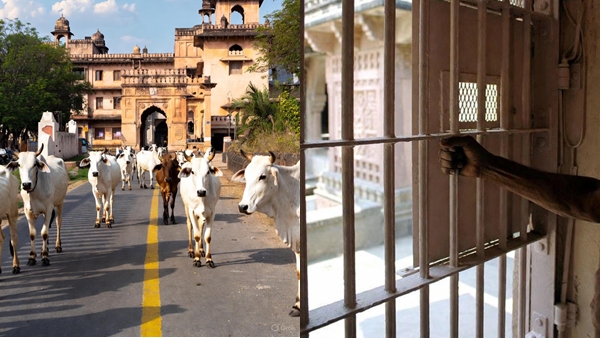
In a significant ruling that blends modern law with ancient tradition, a Gujarat court has sentenced three men to life imprisonment for cow slaughter, explicitly citing revered Hindu scriptures like the Vedas and Manusmriti. The Kalol Sessions Court Additional Sessions Judge Brijeshkumari Rameshwarsinh Rajput declared that if such acts are not punished, 'Gau Mata will become extinct from the earth,' emphasizing the cow's sacred status as a 'mother' and 'pillar of dharma'. The three individuals, Wasim Qureshi, Mohammad Rafiq Qureshi, and Ashfaq Behlime, were convicted after being found with 277 kilograms of beef and weapons. This verdict comes under the stringent Gujarat Animal Preservation (Amendment) Act, 2017, a law that made Gujarat the first state in India to prescribe life imprisonment for cow slaughter. The case highlights India's ongoing, often heated, debate around cow protection, an issue deeply rooted in religious sentiment and increasingly shaped by political will, especially since 2014. While many Indian states have Cow Protection Laws, Gujarat's amended act reflects a heightened legal and societal emphasis on safeguarding cattle, viewed by many as a living symbol of non-violence and prosperity. The judgment, which also imposed substantial fines, could set a powerful precedent for future cases involving cow slaughter across India, potentially influencing judicial interpretations elsewhere. With cow protection remaining a sensitive flashpoint, this ruling from the Kalol Sessions Court underlines the intensifying legal landscape and societal pressures surrounding the reverence for 'Gau Mata'. Legal experts and activists will closely watch for any appeals or broader societal reactions to this unique judgment, which explicitly weaves religious texts into a modern legal sentence.