Gulf on Edge: Iran Retaliates Against US Bases After Devastating Airstrikes
Context mode is active. Hover over any highlighted term to see its definition. Click a nested term to go deeper.
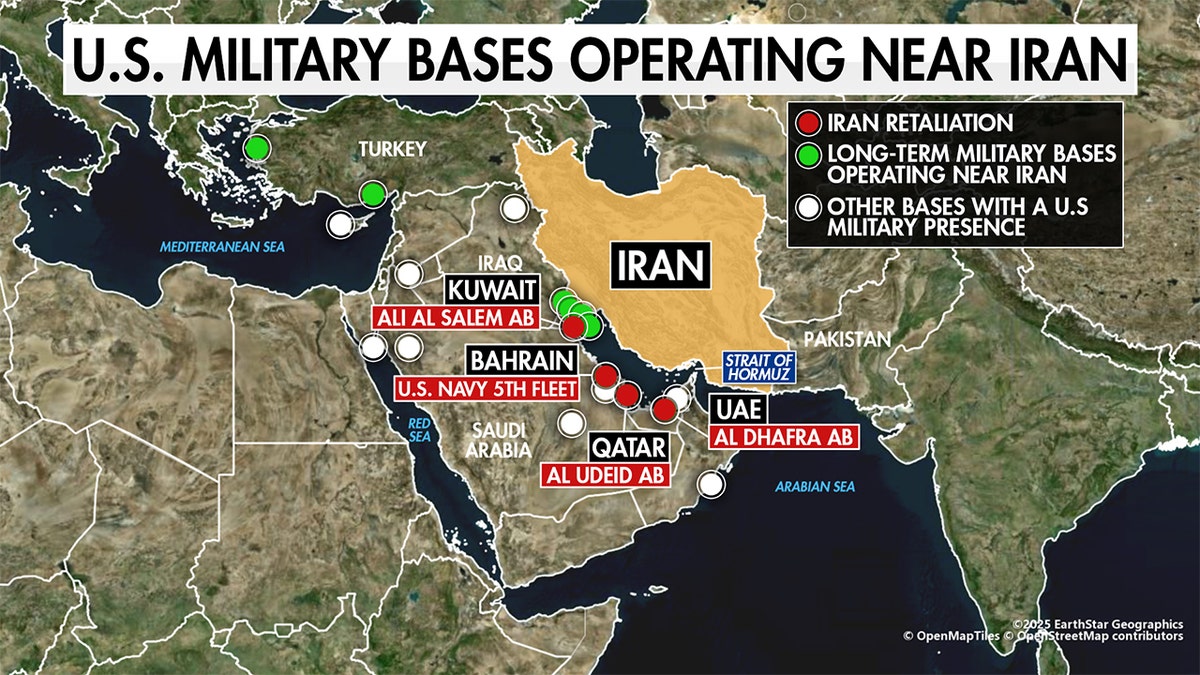
The Middle East is gripped by a dangerous escalation as Iran armed forces have launched missile and drone attacks on United States military facilities across Bahrain, Kuwait, Qatar, and Jordan. This aggressive move comes directly after the US carried out intense airstrikes on Iran southern coastal and eastern provinces, reportedly hitting at least 90 military targets, including crucial air defense and missile sites. The tit-for-tat strikes have left at least 14 people dead and 78 wounded in Iran, marking a significant and alarming increase in hostilities. This week's explosive exchange has essentially shattered the fragile ceasefire agreement that US President Donald Trump declared 'over' amidst renewed Iranian attacks on commercial vessels in the vital Strait of Hormuz. Diplomatic efforts, led by mediators like Qatar, Pakistan, and Egypt, are scrambling to pull both sides back from the brink, as the conflict severely impacts global oil shipments through the Strait. Complicating matters further, US strikes reportedly targeted railway bridges leading to Mashhad, where Iran late Supreme Leader Ayatollah Ali Khamenei was buried, adding another layer of tension to an already volatile situation. With both nations doubling down, the region is bracing for what analysts warn could become a full-scale war, disrupting global energy markets and bringing widespread instability. While US officials deny launching new strikes in response to Iran latest claims of hitting two military sites, the immediate future hinges on whether ongoing diplomatic backchannels can salvage any hope of de-escalation, or if the current military exchange will spiral into a broader, devastating conflict. The world watches anxiously as the standoff continues, with global leaders urging a return to dialogue.