Gut Fungi are Linked to Asthma Development - Labroots
Context mode is active. Hover over any highlighted term to see its definition. Click a nested term to go deeper.
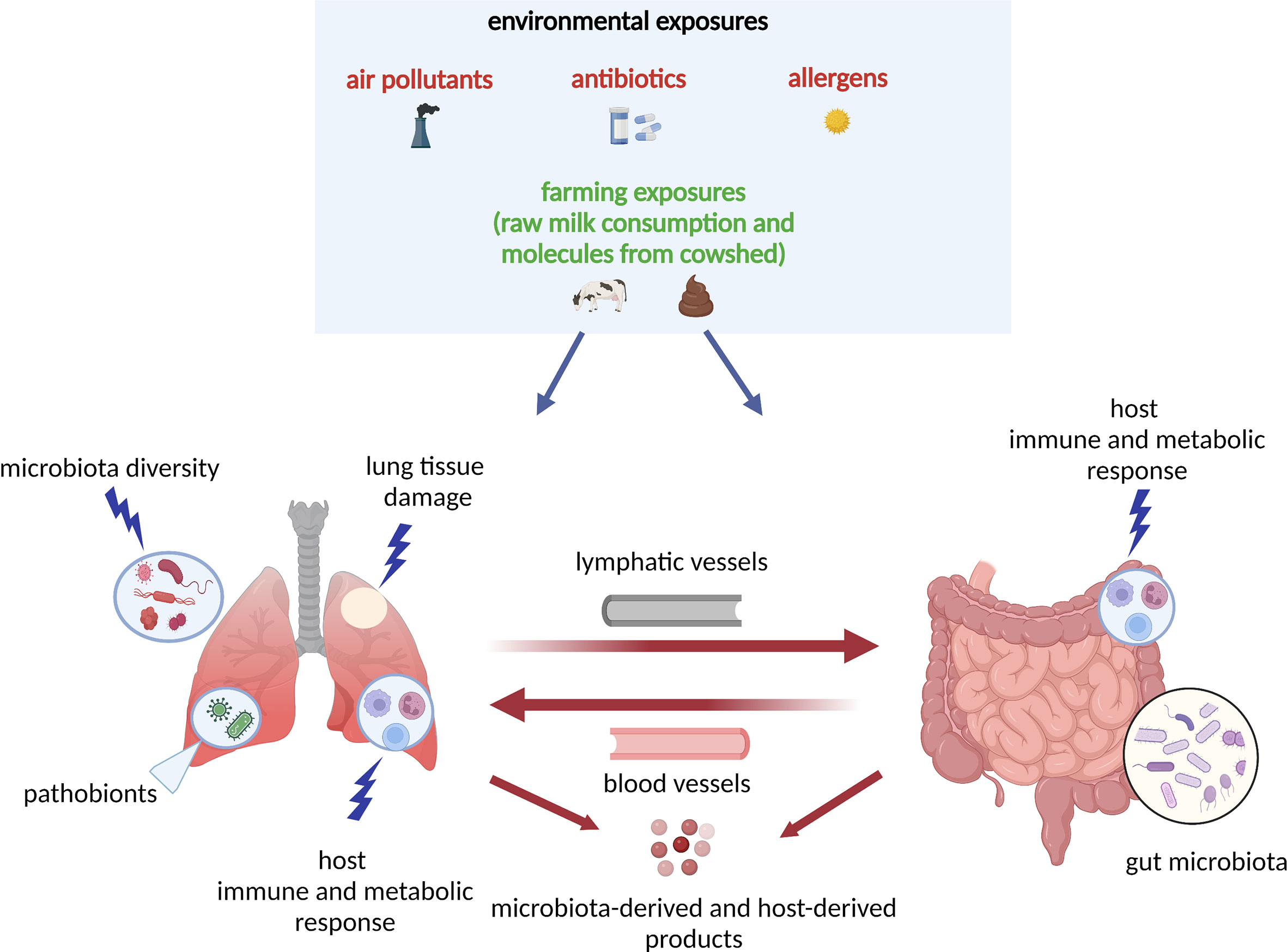
Hold onto your hats, science enthusiasts! In a groundbreaking revelation, two new studies published this week in Nature: The Clinical Microbiome have pinpointed gut fungi, not just bacteria, as a major culprit in the development of childhood asthma and other allergic diseases. This means our understanding of how our tiniest gut residents shape our health just got a massive upgrade, offering fresh hope for treating these widespread conditions. For years, the spotlight in gut health research has been on bacteria, the dominant players in our microbiome. But now, researchers Dr. Stuart Turvey from UBC and Dr. Marie-Claire Arrieta from the University of Calgary have cracked open the world of the 'mycobiome' – our gut's fungal community. Their work, involving a massive study of infants and follow-up mouse experiments, shows that early-life antibiotic use can mess with this delicate fungal balance, specifically causing an overgrowth of Malassezia fungi. This fungal imbalance then kicks off immune problems that lead to allergic reactions, including inflammation in the airways that is a hallmark of asthma. This isn't just a science-y tidbit; it's a game-changer. With hundreds of millions of children battling allergic diseases globally, these findings position the infant mycobiome as a hot new target for therapies. We're talking about developing ways to restore a healthy gut ecosystem in babies, potentially preventing asthma, eczema, and food allergies before they even start. It also means doctors might need to be even more thoughtful about antibiotic use in little ones, recognizing its broader impact beyond just fighting bacterial infections. Keep an eye out for innovative treatments focusing on gut fungi – this could revolutionize how we tackle childhood allergies.