Healthy Reef Sounds: Scientists Lure Fish and Coral Larvae, Boosting Restoration Hopes
Context mode is active. Hover over any highlighted term to see its definition. Click a nested term to go deeper.
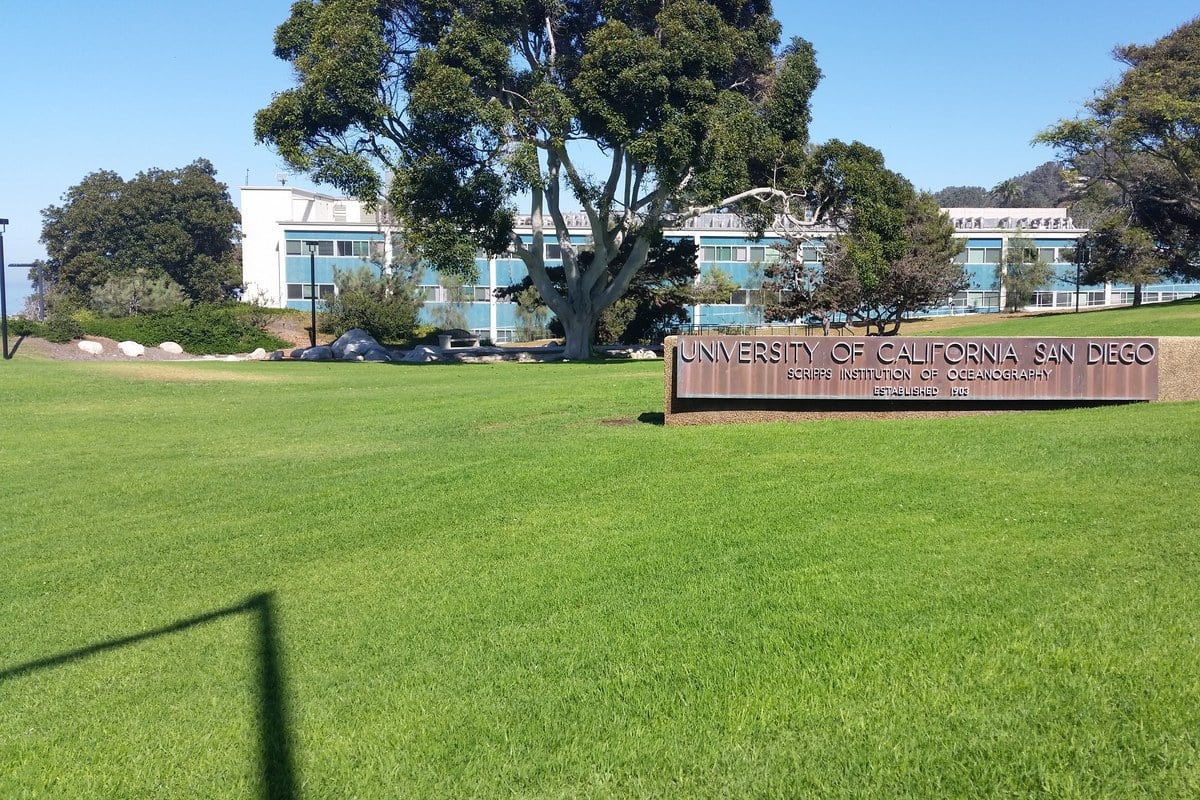
Scientists at the Scripps Institution of Oceanography have achieved a remarkable breakthrough in coral reef restoration, finding that playing sounds of healthy reefs can attract up to 14 times more fish larvae and also boost coral larvae settlement in Hawaiʻi. This innovative 'acoustic enrichment' method, detailed in recent studies, offers a fresh approach to reviving our planet's struggling underwater ecosystems. The findings come from trials in Kāneʻohe Bay, Oʻahu, where researchers used underwater speakers to broadcast recordings of vibrant reef activity, essentially creating an auditory beacon for new marine life. This discovery arrives at a critical time, as coral reefs worldwide face severe threats from climate change, ocean acidification, pollution, and overfishing, leading to widespread degradation and 'coral bleaching'. Degraded reefs become noticeably quieter due to the loss of marine life like snapping shrimp and various fish, which in turn makes it harder for drifting larvae to find suitable homes for 'larval settlement'. The Scripps team, led by researchers Aaron Thode and Océane Boulais, conducted dual studies – one on coral larvae published in Communications Biology and a companion study on fish larvae in Scientific Reports – simultaneously testing this sound-based approach alongside other restoration techniques, including artificial settlement surfaces and 'bioactive reef ink (BRINK)'. The immediate next steps involve further integrating 'acoustic enrichment' with hybrid reef development, part of the larger 'Rapid Resilient Reefs for Coastal Defense (R3D)' project funded by the 'Defense Advanced Research Projects Agency (DARPA)'. While sound isn't a magic solution on its own, its proven ability to guide marine larvae suggests it could become a vital tool when combined with other habitat restoration efforts like specialized underwater structures or beneficial bacterial coatings. The success in Hawaiʻi paves the way for potential applications globally, offering a glimmer of hope for the future of our 'marine ecosystems' and the diverse life they support.