Hegseth and DOJ Launch New Task Force to Prosecute Government Leaks 'With Full Force'
Context mode is active. Hover over any highlighted term to see its definition. Click a nested term to go deeper.
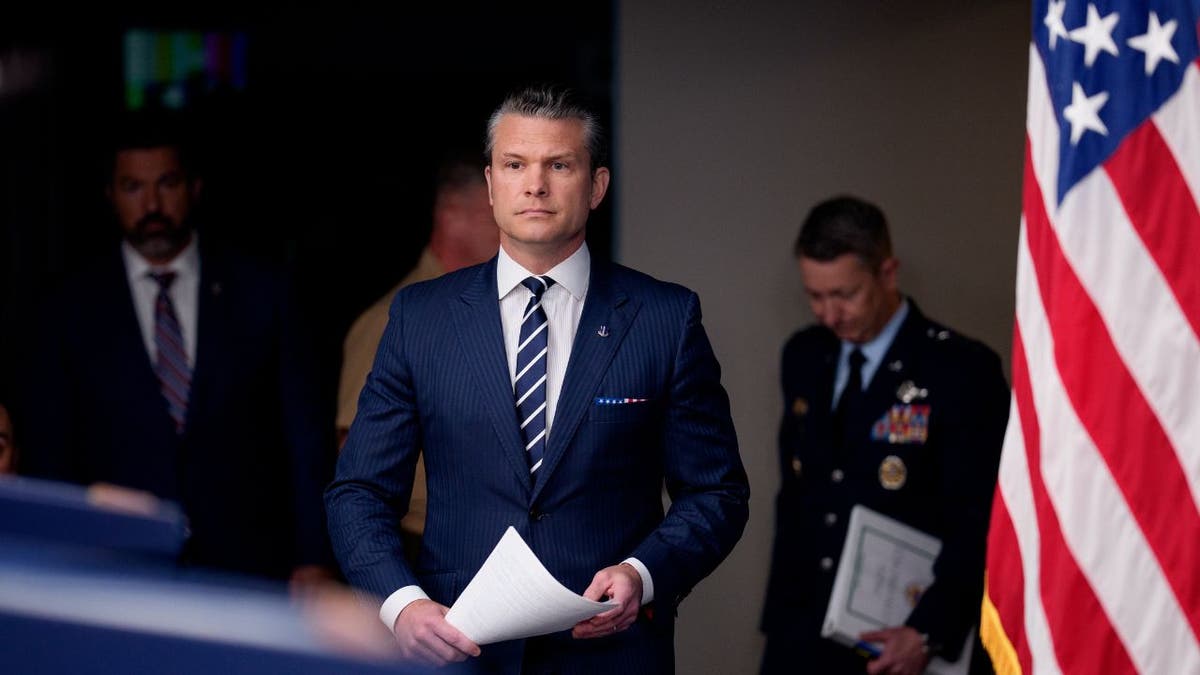
US Defense Secretary Pete Hegseth announced on Monday, July 13, 2026, a new joint task force between the Department of War (formerly the Pentagon) and the Department of Justice (DOJ) aimed at aggressively prosecuting government officials who leak sensitive information to journalists. Hegseth, in a video posted on X, stated that those who betray the 'sacred trust' of access to confidential information will face the 'full force of the law,' emphasizing that leaked information 'risks lives' and endangers the 'joint force.' This move marks a significant escalation in the Trump administration ongoing efforts to clamp down on unauthorized disclosures, coming just days after the DOJ issued subpoena to several New York Times journalists. These subpoena were linked to their reporting on security flaws in President Donald Trump's new Qatari-donated plane. The crackdown is also underpinned by a revised DOJ policy, issued in April 2025 by Attorney General Pam Bondi and further implemented by Acting Attorney General Todd Blanche, which now allows for the use of compulsory legal processes, such as subpoena and search warrants, against the news media in leak investigations, reversing a previous Biden administration protection. Press freedom groups, including the National Press Club, have sharply criticized these actions, warning of a severe 'chilling effect' on independent journalism. The newly formed task force grants the Department of War Office of General Counsel (OGC) immediate authority to request and receive all relevant information and records for media leak investigations, with department components required to provide a full response within two days. This streamlined process signals a more rapid and robust pursuit of leakers, putting government officials and journalists on high alert. The ongoing tension between safeguarding national security and upholding press freedom is expected to intensify, prompting concerns about government transparency and the public's right to information in an environment where even the reporting itself is under scrutiny.