High-Dose IV Vitamin C Fails Burn Patients, Raises Alarms in Critical Care
Context mode is active. Hover over any highlighted term to see its definition. Click a nested term to go deeper.
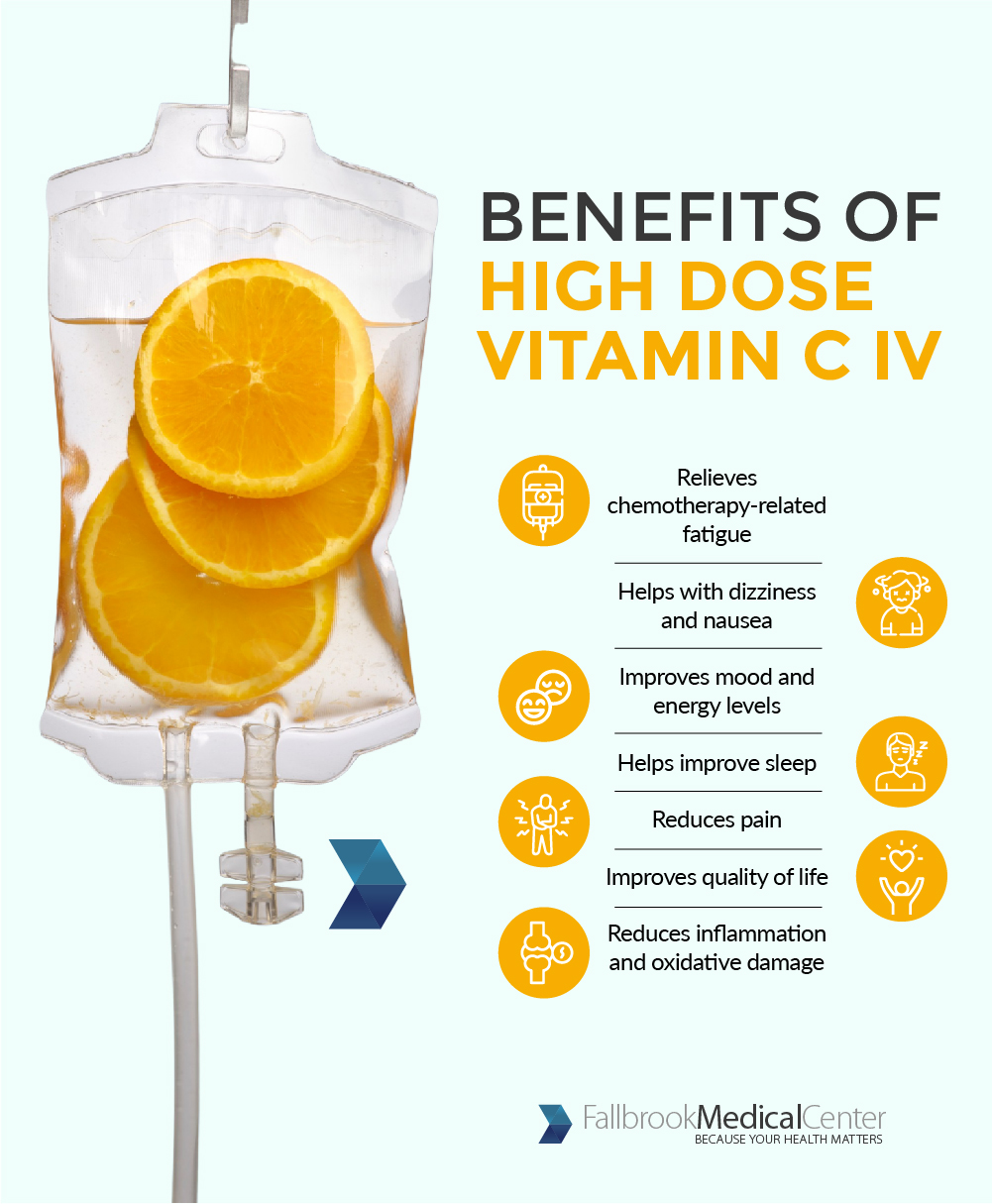
A major global study, the VICTORY randomized clinical trial, has just dropped a bombshell: high-dose intravenous vitamin C, once hoped to improve outcomes for patients with severe burn injuries, actually failed to deliver, and might even be harmful. Published in JAMA, these findings challenge a long-held belief and an emerging practice in critical care, forcing a re-evaluation of how we treat some of the most vulnerable patients. For years, the idea that high-dose vitamin C could act as a potent antioxidant and reduce the severe systemic inflammatory response in burn patients fueled its experimental use. Early, smaller studies hinted at benefits like reduced fluid resuscitation needs and less edema. However, the VICTORY trial, a phase 3, double-blind, placebo-controlled effort across 24 international burn centers, found the opposite. Not only did the vitamin C group show no improvement in 28-day mortality or persistent organ dysfunction, but their 28-day mortality was significantly higher (15.0% vs 7.6% in the placebo group), leading the trial to be stopped early due to safety concerns. This outcome is a wake-up call, echoing similar disappointments from recent trials of high-dose vitamin C in other critical illnesses like sepsis, where earlier promise also fizzled out. Lead researcher Christian Stoppe from the University Hospital Würzburg, Germany, and his team are now urging a careful re-evaluation of this intervention. While some argue the specific dose or protocol might be at fault, the evidence strongly suggests that the routine use of high-dose IV vitamin C in severe burn care needs to be reconsidered immediately, paving the way for further focused research into safe and effective adjunct therapies.