Himalayan Catastrophe Casts Grim Shadow Over China at India's BRICS Summit
Context mode is active. Hover over any highlighted term to see its definition. Click a nested term to go deeper.
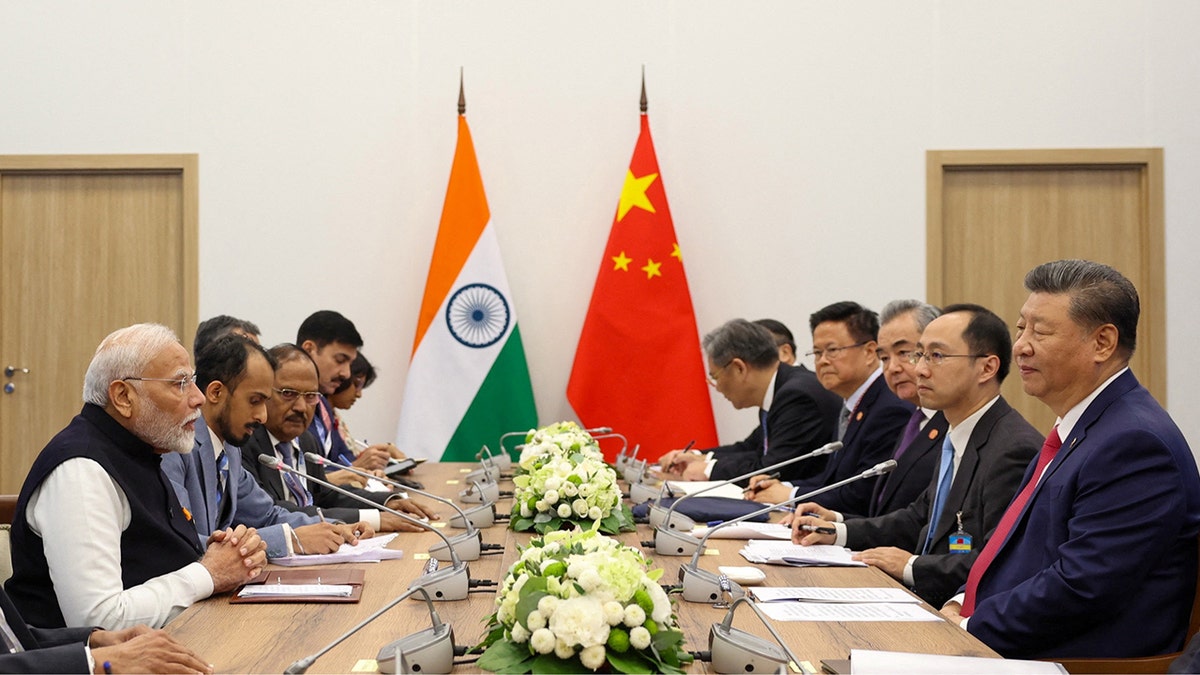
China's President Xi Jinping is heading to New Delhi for the 18th BRICS Summit on September 12-13, but the diplomatic spotlight will undoubtedly be shared, if not overshadowed, by a devastating Himalayan catastrophe on the Tibet-Nepal border that has claimed hundreds of lives and left thousands missing. This massive disaster, triggered by a glacial collapse just days ago, is creating a politically uncomfortable moment for Beijing, forcing a humanitarian crisis to the forefront of a summit intended to showcase emerging economies. The catastrophic flash floods and debris flows that struck on August 26 have obliterated critical infrastructure like the Gyirong border crossing and several hydroelectric projects, with ongoing fears of a barrier lake bursting and causing further destruction downstream. While China has dispatched Premier Li Qiang to the affected region and President Xi has called for extensive rescue efforts, the scale of the crisis and reports of strict information control from Beijing's sensitive Tibet region are drawing international scrutiny. This humanitarian disaster lands just as India, under its BRICS Presidency, has been working to thaw bilateral tensions with China following the 2020 Galwan border clashes, making Xi's first visit to India in seven years a delicate balancing act. The unfolding tragedy could significantly reshape the BRICS agenda, potentially pushing humanitarian aid and disaster response up the priority list, alongside ongoing discussions on global governance and economic cooperation. With hundreds of foreigners still unaccounted for, the pressure is on both China and Nepal for transparent communication and coordinated international assistance. The summit in New Delhi will test the bloc's ability to address immediate regional crises while navigating complex geopolitical dynamics, offering a crucial barometer for future South-South cooperation.