Himalayan Catastrophe: China Confirms 261 Foreigners Missing After Glacier Collapse Unleashes Deadly Mudslide
Context mode is active. Hover over any highlighted term to see its definition. Click a nested term to go deeper.
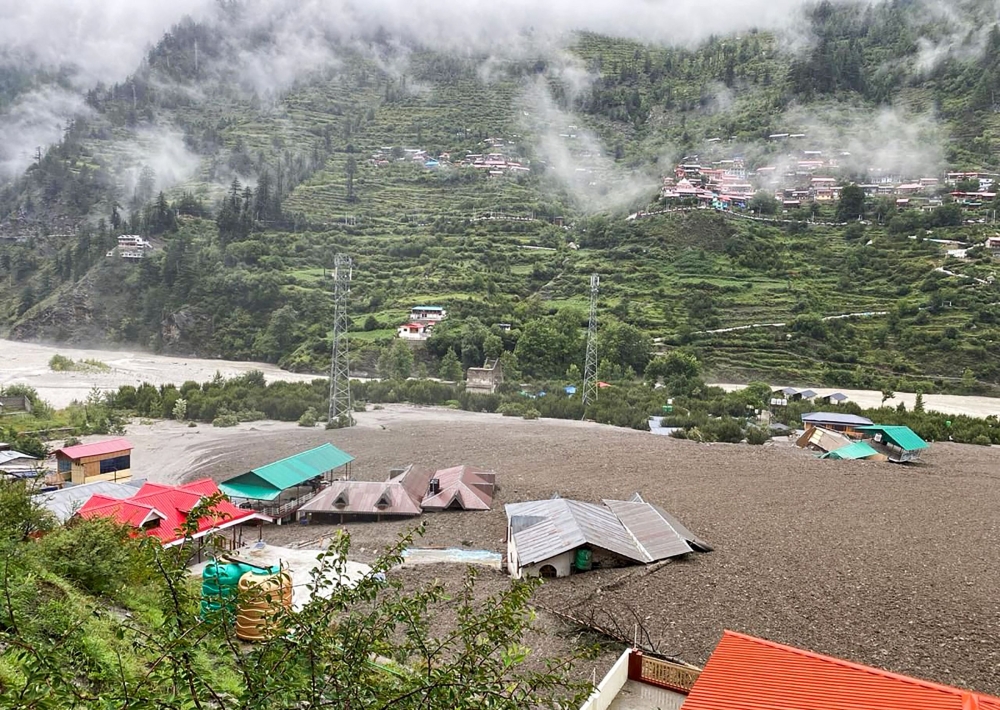
A devastating mudslide, triggered by a massive glacier collapse in the Himalayas, has left 261 foreign nationals from 23 countries missing on the Tibetan side of the border with Nepal. China confirmed these numbers on Sunday, with Nepalese (104), Indian (49), Latvian (33), American (18), and British (15) citizens forming the largest groups among the unaccounted-for individuals. This tragic event, which Chinese scientists link to glacier instability caused by global warming, occurred on Wednesday, August 26, when a huge torrent of ice, rock, and mud tore through the region, including the crucial Gyirong Port border crossing. The human cost of this disaster is truly immense, with the combined death toll on both sides of the Nepal-China border now reaching around 750 people, and over 3,000 individuals still missing. While China reports 16 deaths and 546 missing on its side, Nepal disaster authority states at least 734 deaths and close to 2,500 missing, with 7,514 people rescued so far. The collapse originated from the southern slope of Nepal Lirung Peak, sending a 'tsunami-like' wave of debris that took mere minutes to reach the Gyirong border crossing. China's Foreign Minister Wang Yi has called it their 'most severe cross-border disaster' in recent years, highlighting the extreme challenges faced by rescue teams. Rescue efforts are currently battling bad weather, rising water levels in rivers like the Trishuli, and newly formed barrier lake that threaten further flooding. Nepal teams are urgently focusing on hundreds of workers believed to be trapped inside tunnels at damaged hydropower plants, while China has deployed over 2,100 emergency workers and significant aid, including tunnel rescue experts for Nepal. Both nations are working together to identify the missing and strengthen future disaster prevention, as the region remains on high alert for additional landslides and floods until at least September 1.