Himalayan Flashpoints: India Navigates Rising Tensions with China and Nepal
Context mode is active. Hover over any highlighted term to see its definition. Click a nested term to go deeper.
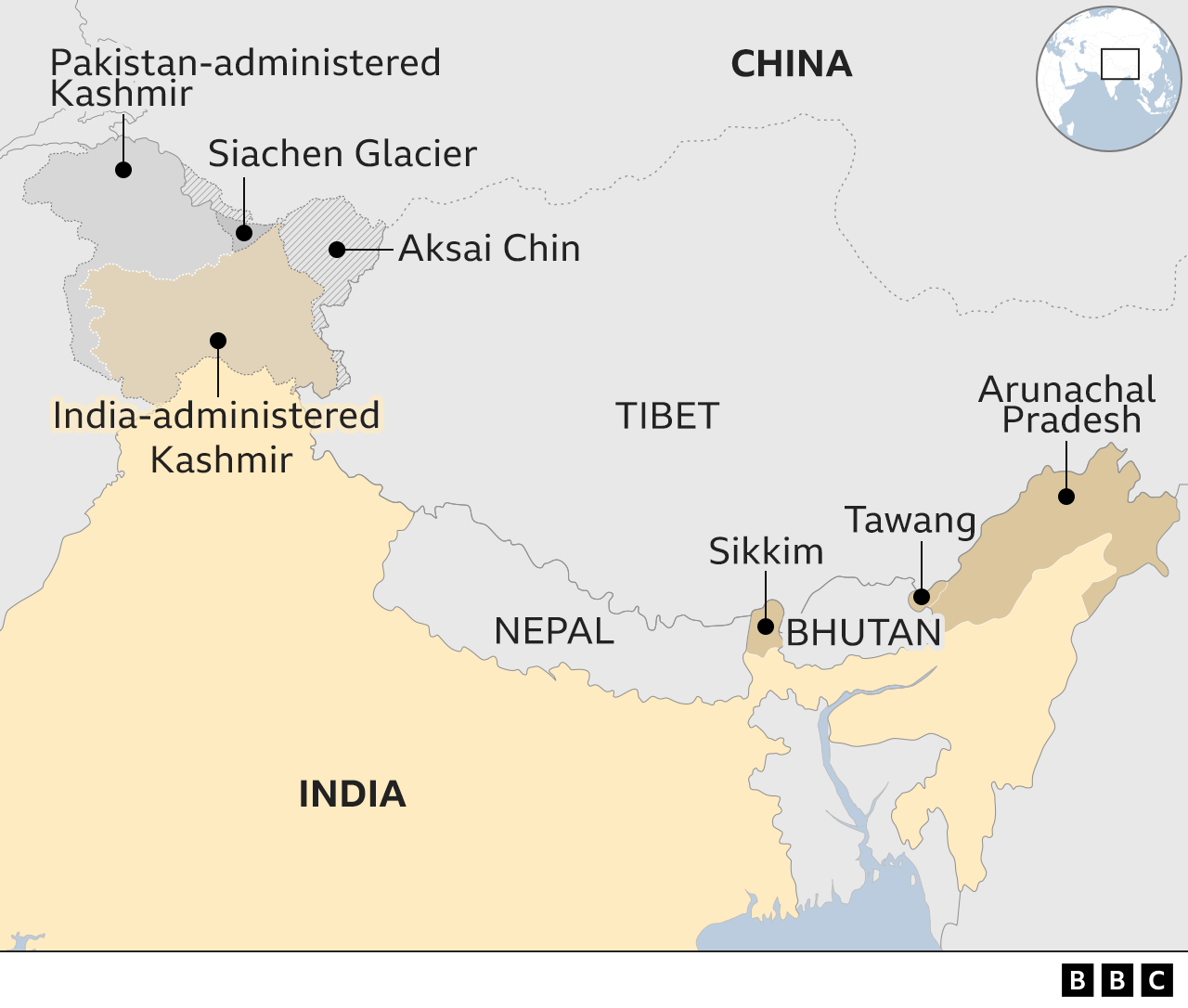
New reports alleging Chinese troop incursions into Arunachal Pradesh Upper Subansiri district, blocking Indian army patrols, are igniting fresh border tensions just weeks before Chinese President Xi Jinping is set to visit India for the BRICS summit. Simultaneously, Nepal has revived its long-standing territorial dispute with India over strategically vital areas like Lipulekh, adding another complex layer to India's Himalayan challenges. These developments underscore the persistent friction along India's northern frontiers, far beyond the often-discussed Kashmir issue. The alleged Chinese encroachments in Arunachal Pradesh, which Beijing calls 'Zangnan,' have sparked political backlash in India, even as Beijing maintains its border situation is 'generally stable'. This comes amidst an escalating infrastructure race in the Himalayas, with both India and China rapidly building roads and military facilities to assert their claims and improve troop mobility. Meanwhile, Nepal's recent diplomatic protests against India and China's plan to resume the Kailash Mansarovar Yatra via the disputed Lipulekh Pass highlight old wounds regarding the Kali River's origins, which impacts territorial claims over Kalapani, Lipulekh, and Limpiyadhura. Nepal's Prime Minister Balendra Shah even sought the UK's involvement, a move India firmly rejected, insisting on bilateral dialogue. Looking ahead, India and China recently held their 36th WMCC meeting, agreeing to use diplomatic and military channels to maintain peace, yet underlying distrust remains palpable, especially given new satellite imagery indicating permanent Chinese structures in Eastern Ladakh buffer zones. For its part, Nepal and India have made a breakthrough on mapping cross-border land occupation, agreeing to use technology to resolve certain boundary issues within three years – a positive step, though separate from the core Kalapani dispute. All eyes will be on the upcoming BRICS summit, as leaders navigate these thorny territorial issues that could define regional stability for years to come.