Himalayan Fury: Nepal's Devastating Floods Sound Urgent Alarm for Bihar's Rivers
Context mode is active. Hover over any highlighted term to see its definition. Click a nested term to go deeper.
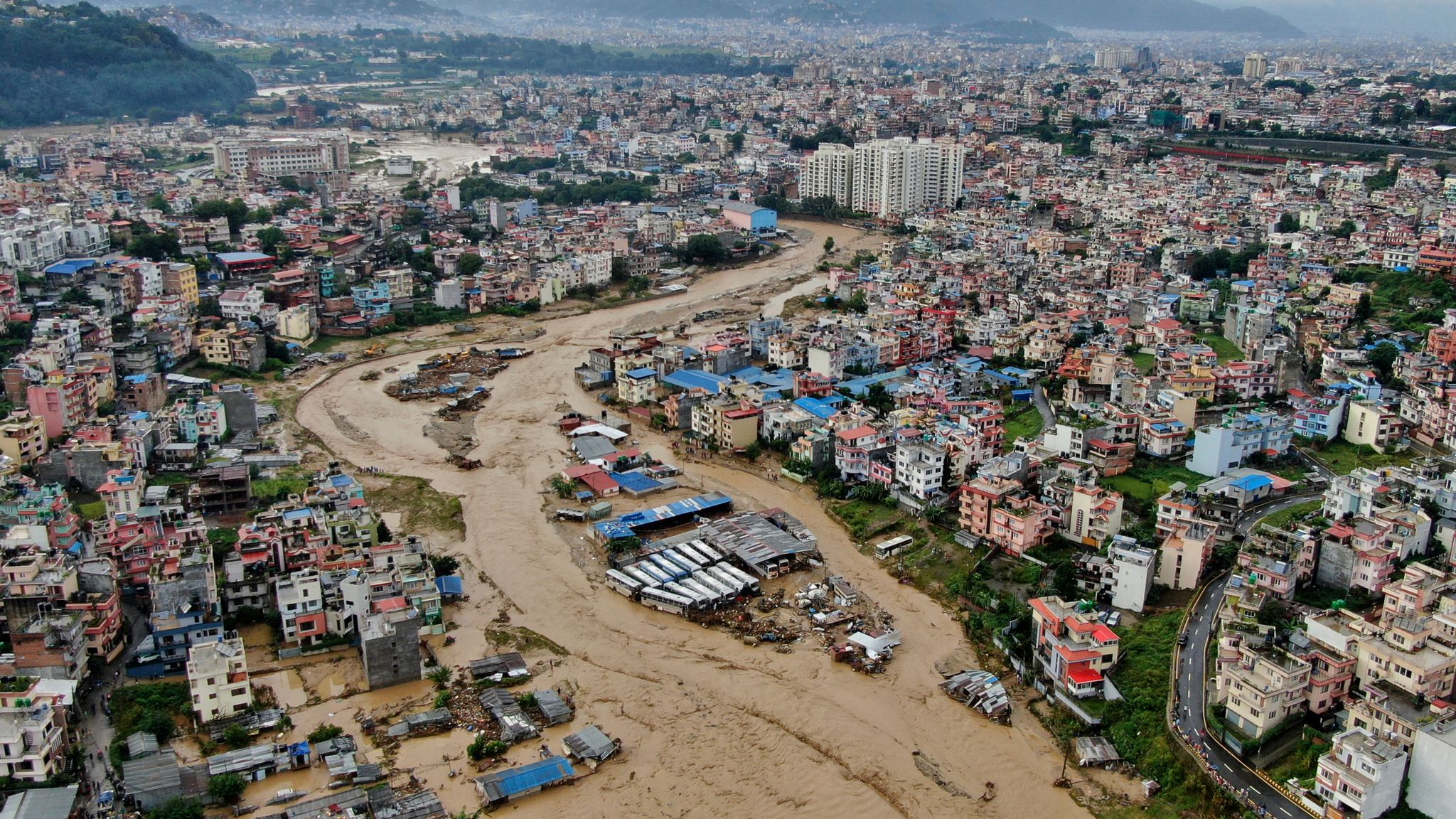
A catastrophic glacier collapse in Nepal's Langtang Lirung on August 26, 2026, triggered massive flash floods and debris flows that have devastated parts of Nepal and, crucially, sent India's Bihar state into high alert. The disaster, which has claimed over 1,200 lives in Nepal with thousands still missing, served as a stark, real-time reminder that Himalayan rivers like the Gandak and Kosi know no borders, directly threatening downstream communities in India. While Bihar initially braced for the worst, deploying National Disaster Response Force (NDRF) teams and proactively opening all 36 gates of the Gandak Barrage at Valmikinagar, prompt action and a slight reprieve in river flows averted a catastrophe on the scale witnessed across the border. However, the sheer force of the event and the ongoing climate crisis, accelerating glacial melt across the Hindu Kush Himalayas, highlight a ticking time bomb. India and Nepal have existing agreements for water management, and recent joint committee meetings in May 2026 aimed to bolster flood forecasting and data sharing, but the urgency for robust, integrated cross-border mechanisms has never been clearer. Looking ahead, the focus remains on enhancing real-time data sharing and strengthening early warning systems, particularly as the monsoon season continues and climate change makes such events more unpredictable. Experts warn that the Himalayas are warming faster than the global average, increasing the frequency of these 'cascading hazards' — where one natural event triggers another. Both nations must prioritize sustained, effective cooperation to protect the millions living along these shared, volatile river systems, turning lessons from this tragedy into concrete, future-proof strategies.