Himalayan Glaciers Melting Rapidly, Threatening Millions with Water Crisis and Disasters
Context mode is active. Hover over any highlighted term to see its definition. Click a nested term to go deeper.
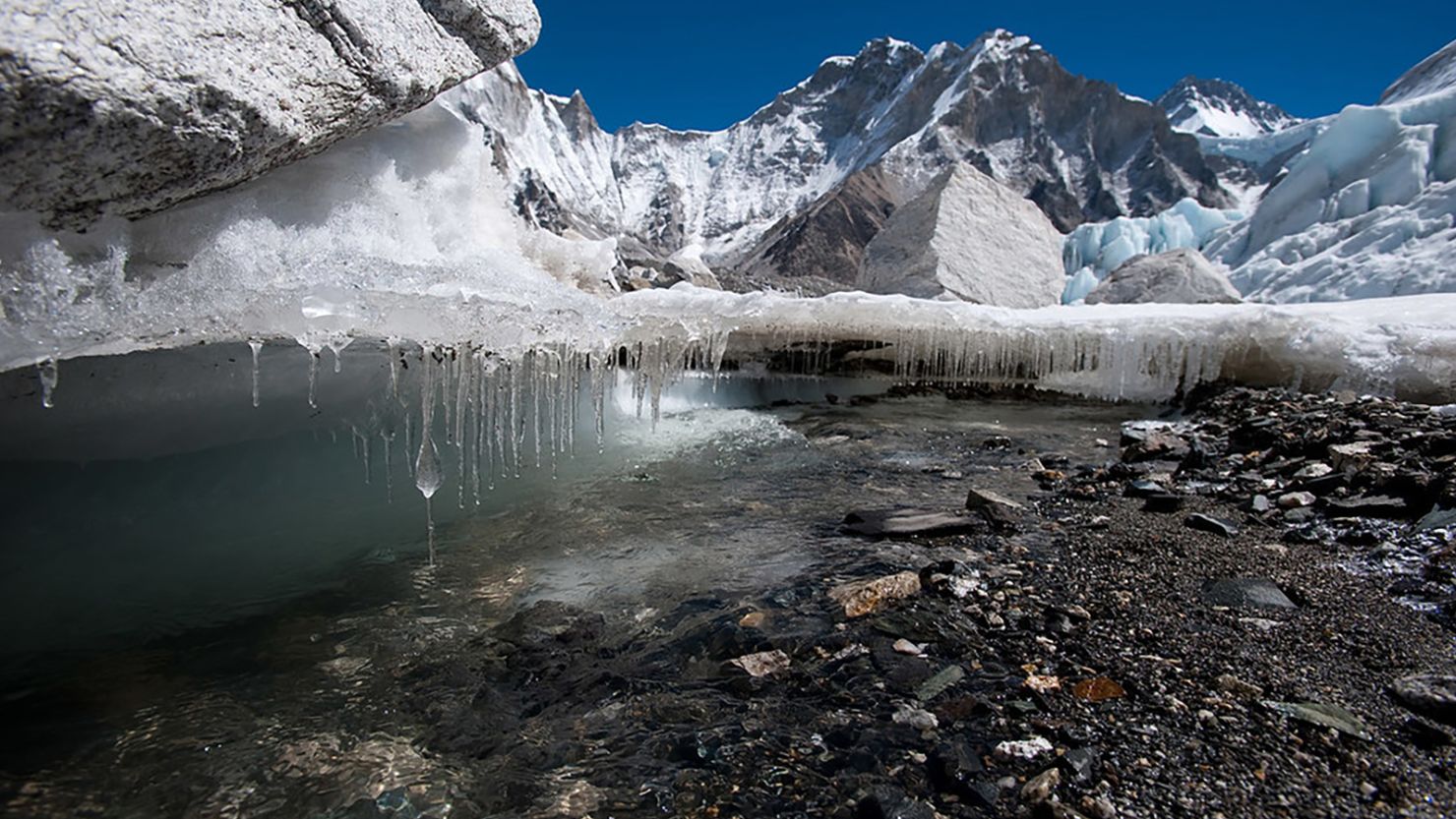
The majestic Himalayas are in critical danger, with a new report revealing that glaciers are melting a staggering 65% faster than they were just a decade ago, pushing the region towards a devastating 'tipping point'. This accelerated melt directly threatens water security for billions and puts millions of livelihoods at stake as the region inches closer to 'peak water' by mid-century. This alarming update follows a catastrophic glacier collapse in late August 2026 along the Nepal-Tibet border, which unleashed deadly flash floods and landslides, leaving at least 1,300 confirmed dead and over 5,300 missing across Nepal and China's Tibet region. This isn't just about melting ice; it's a cascading crisis. As glaciers retreat, they leave behind unstable glacial lakes, some of which are already classified as 'very high risk' in India, posing a direct threat to millions living downstream. The study, produced by Systemiq alongside key research institutions, highlights a severe monitoring gap, with only 21 out of an estimated 40,000 glaciers in the vast Hindu Kush-Himalaya region being tracked on the ground. This lack of data makes it incredibly difficult to predict and prepare for rapidly developing hazards, especially when the region already accounts for 35% of India's natural disasters despite making up only 18% of its land. Looking ahead, the shift towards 'peak water' means an initial surge in river flows, followed by a severe decline as the ice reservoirs dwindle, leading to permanent water shortages across large parts of Asia. The UN Climate Change Executive Secretary has already warned that such tragedies are becoming more frequent and severe due to global warming. Countries in the region must intensify cross-border cooperation and invest heavily in monitoring systems and climate resilience strategies to protect communities and vital economic infrastructure, including India's GDP, which relies on the Himalayan system for over 20%. Without urgent action, the 'Asian Water Tower' will continue to wobble, impacting generations to come.