Hong Kong Unveils Bold AI-Driven Education Overhaul to Forge Future Talent
Context mode is active. Hover over any highlighted term to see its definition. Click a nested term to go deeper.
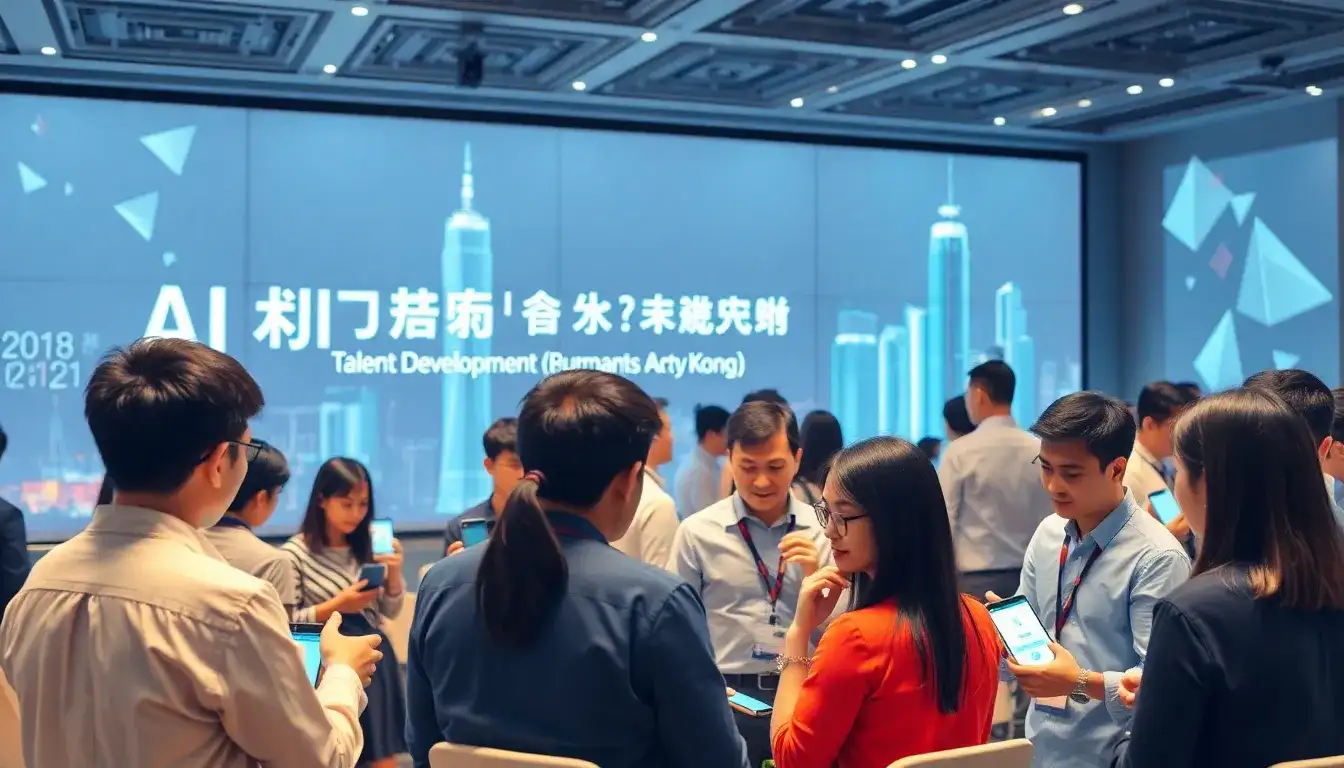
Hong Kong just hosted its first-ever Global Education Summit this past weekend, drawing over 2,000 top educators, policymakers, and parents to tackle the big questions around Artificial Intelligence (AI) and the future of learning. The SAR government announced a major new target: by the 2026-27 academic year, a full 35% of all students in government-funded universities must be studying subjects related to Science, Technology, Engineering, Arts, and Mathematics (STEAM), marking a significant push to reshape its academic landscape towards innovation. This isn't just talk; it's backed by serious money and policy shifts. The Secretary for Education, Christine Choi Yuk-lin, highlighted plans to launch 27 new undergraduate programs focused on STEAM areas, including AI and data science, starting from the 2025-28 period. Beyond universities, the Hong Kong SAR Government is pouring HK$2 billion into AI education for primary and secondary schools and another HK$50 million for public awareness, aiming to build a truly AI-ready workforce from the ground up and boost the city's standing as an International Education Hub. What's next? Expect a scramble among universities to adapt their offerings and a renewed focus on 'AI literacy' and crucial human skills like problem-solving and adaptability, as students and parents grapple with how AI will change jobs. The city's aggressive push also includes raising the cap on non-local students, signalling a clear intent to attract global talent. This move sets a benchmark for how other global cities might fast-track their education systems to meet the demands of an AI-powered world, turning Hong Kong into a key watcher for future trends in education and work.