Hormuz Crisis Deepens: US and Iran Exchange Strikes, Global Fuel Supply at Risk
Context mode is active. Hover over any highlighted term to see its definition. Click a nested term to go deeper.
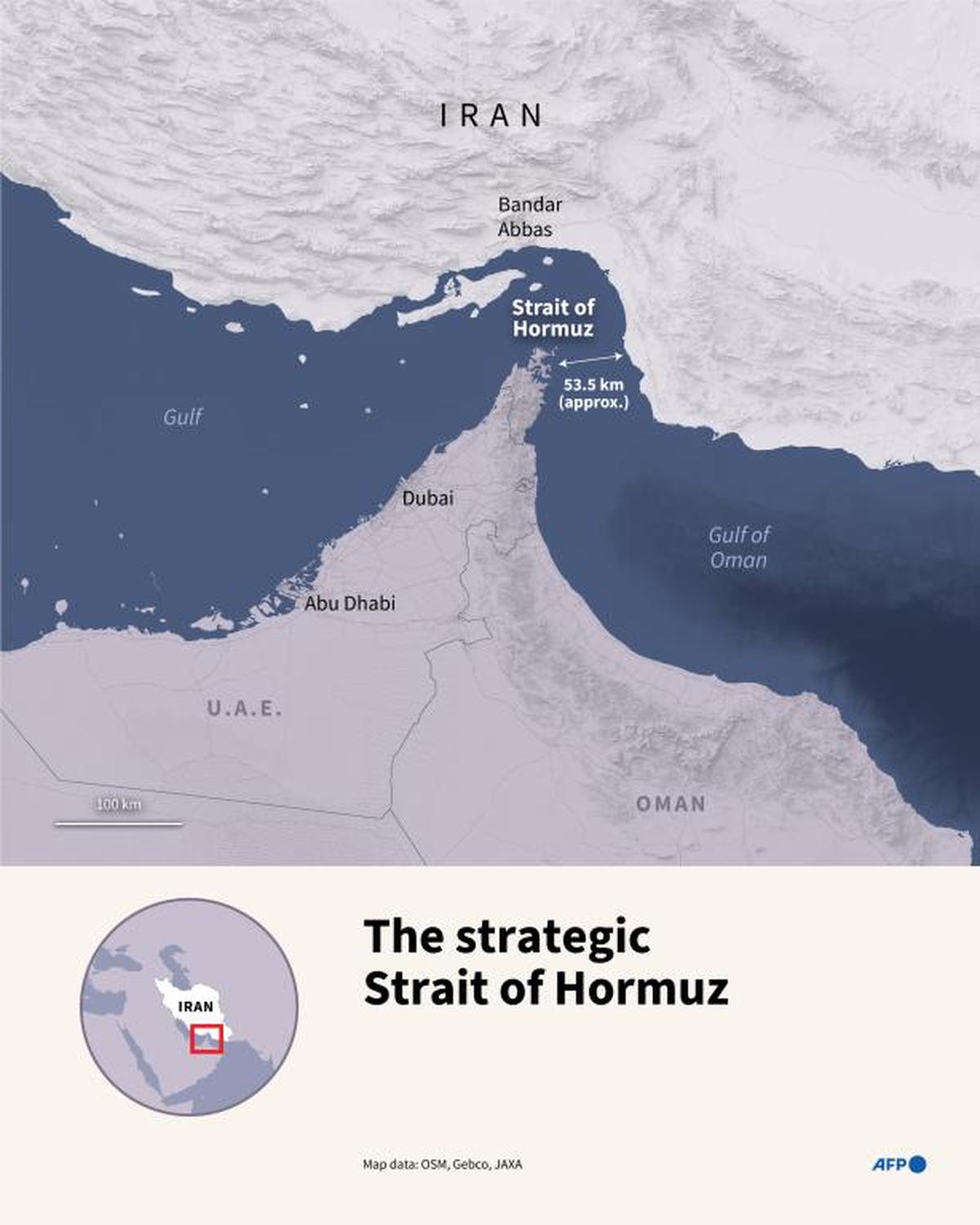
The long-standing conflict between the United States and Iran has sharply escalated, with both nations trading heavy missile and drone strikes across the Middle East since July 12. This dangerous back-and-forth began after Iran attacked a container ship in the crucial Strait of Hormuz, leading Tehran to declare the vital waterway closed—a claim quickly rejected by Washington. The immediate fallout? Global oil prices, including Brent and WTI crude, have surged over 4%, stirring fears of a major disruption to worldwide fuel supplies. This new wave of violence has effectively shattered a recent ceasefire agreement, pulling Gulf Arab states like Bahrain, Kuwait, Jordan, Qatar, and Oman into the crossfire as Iran retaliates against US military installations and interests in the region. The Strait of Hormuz, a narrow sea passage through which about 20-21% of the world's oil and liquefied natural gas (LNG) travels, has seen commercial shipping traffic plummet to a five-week low, leaving hundreds of vessels stranded. For India, a massive energy importer that relies on Hormuz for nearly half its crude oil and almost all its LPG, the situation is particularly worrying, even with current strategic reserves. With both sides showing no signs of backing down, global energy markets are bracing for prolonged uncertainty. Expect continued volatility in oil and gas prices, and possibly higher 'war risk' surcharges for shipping. India has secured crude supplies through August and holds significant reserves, but the long-term impact on liquefied petroleum gas (LPG) and liquefied natural gas (LNG) supplies, and the need for further energy diversification, will be key areas to watch as this crisis unfolds.