Hormuz Strait: Japan's Warning Signals Escalating US-Iran Trade War Fallout
Context mode is active. Hover over any highlighted term to see its definition. Click a nested term to go deeper.
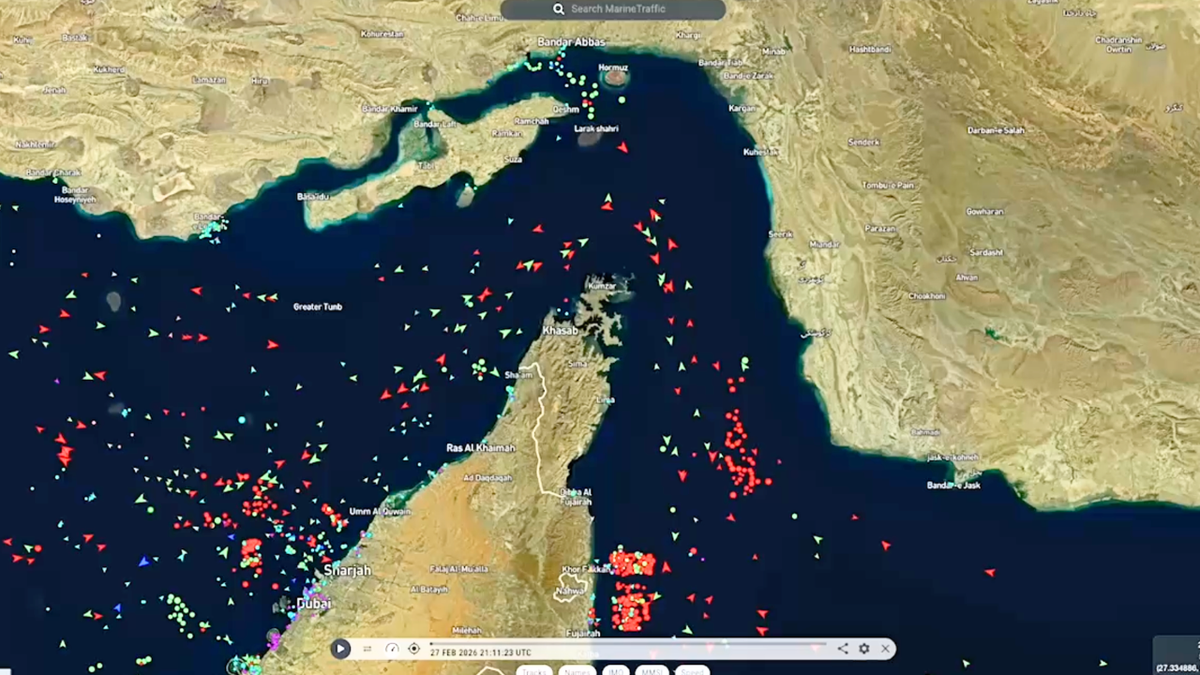
The Strait of Hormuz, a critical global choke point for energy supplies, is effectively closed to commercial shipping, warned Masahiro Okafuji, head of a major Japanese business lobby, on Wednesday, citing the raging US-Iran conflict. This stark assessment arrives amid intensified hostilities in the Persian Gulf, with Iran's Revolutionary Guard Corps (IRGC) declaring the vital waterway off-limits until 'the end of America's evils,' following renewed US military strikes and a reimposed US naval blockade on Iranian ports. The crisis, now in its fifth month, is disrupting a passage that typically handles over 20% of the world's seaborne oil trade and a substantial portion of liquefied natural gas (LNG) shipments. The current escalation follows the breakdown of a brief Memorandum of Understanding (MoU) signed in June between the US and Iran, which aimed to restore traffic through the Strait. Hopes for de-escalation evaporated after Iran struck multiple commercial ships on July 7, prompting the US to launch a new wave of retaliatory strikes targeting Iranian military assets. Simultaneously, the US reimposed a blockade on Iranian ports, leading Iran to strike US military targets in Bahrain, Kuwait, and Jordan, and to threaten the closure of other regional energy export routes. This fresh round of fighting has sent Brent crude oil prices spiraling and raised global anxieties over energy security, forcing some vessels to consider costly rerouting around the Cape of Good Hope. As the US and Iran trade blows and rhetoric, Japan, a nation heavily reliant on Middle Eastern energy, continues to advocate for diplomatic resolution and free navigation, while monitoring US proposals for transit fees and a renewed blockade. With Iran actively laying sea mines and attacking vessels, the immediate outlook for safe passage remains dim. The global community watches anxiously for any breakthrough in negotiations or further military escalation that could widen the conflict, potentially impacting other key maritime routes like the Bab el-Mandeb Strait and deepening the global energy crisis.