Hormuz Uncertainty Grows as Questions Mount Over Control After 60-Day Deal
Context mode is active. Hover over any highlighted term to see its definition. Click a nested term to go deeper.
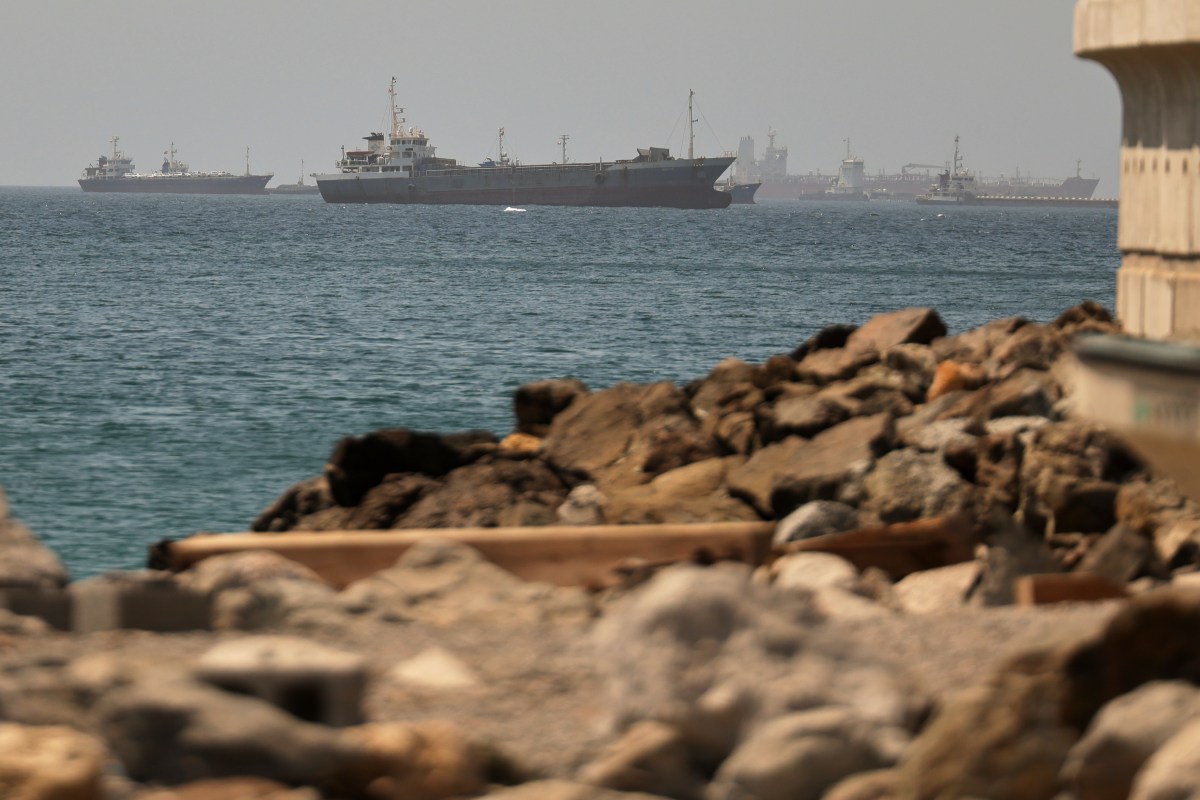
The critical Strait of Hormuz, a vital chokepoint for global energy supplies, is again plunged into deep uncertainty as Iran issued a fresh threat to close the waterway just days after signing an interim 60-day ceasefire agreement with the United States. While Tehran's military command cited ongoing Israeli violations of a related ceasefire in Lebanon, the US Central Command quickly pushed back, insisting the strait remains open and traffic is flowing. This latest move by Iran directly contradicts the recently inked deal aimed at stabilizing the volatile region and reopening the critical shipping lane after months of disruption. This renewed tension comes on the heels of the 2026 Iran War, which saw Iran block the strait in February 2026, leading to a US naval blockade and unprecedented spikes in global oil prices. The interim Memorandum of Understanding, signed on June 17, 2026, at the G7 summit, was meant to halt active hostilities and allow for mine clearance, but conflicting interpretations and Iran assertion of sovereignty, including plans to impose 'insurance fees' through its newly formed Persian Gulf Strait Authority (PGSA) after the 60-day period, are now fueling severe geopolitical friction. As Iranian and US officials head to Switzerland for further negotiations on a broader peace deal, the world watches nervously to see if the fragile ceasefire holds or if the Strait becomes a flashpoint once more. The interplay between Iran leverage over the strait, US demands for freedom of navigation, and regional conflicts involving Israeli and Hezbollah actions in Lebanon continues to undermine any path to lasting stability. The immediate future of global energy flows and maritime security hinges on these high-stakes diplomatic efforts.