Houthi Missile Barrage Halts Riyadh Flights as Airlines Suspend Services Amid Escalation
Context mode is active. Hover over any highlighted term to see its definition. Click a nested term to go deeper.
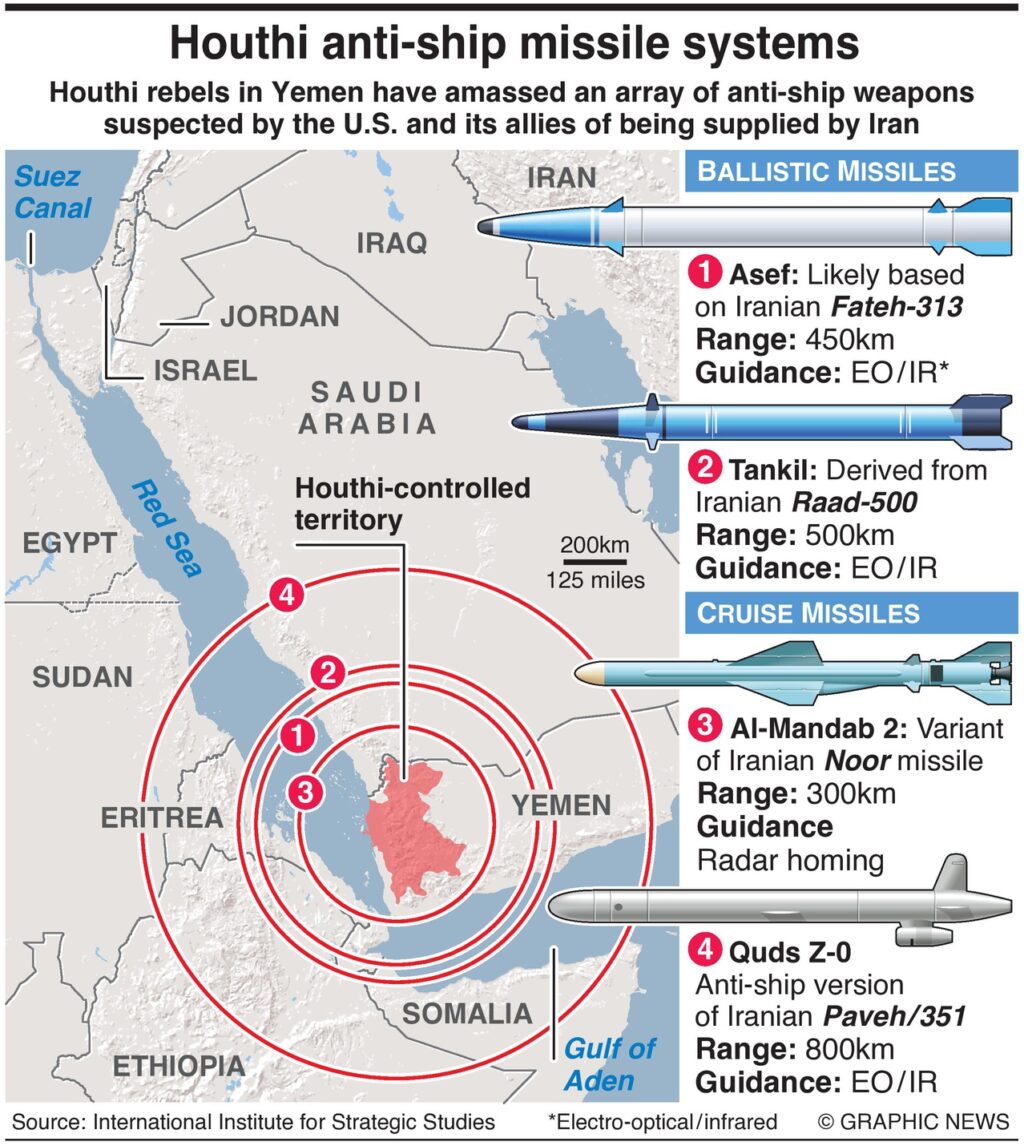
International air travel to Saudi Arabia's capital, Riyadh, has been severely disrupted after Yemen's Houthi rebels launched a fresh wave of ballistic missile attacks on King Khalid International Airport on Thursday, October 8, 2026. This escalation, which reportedly damaged a parked commercial aircraft and prompted explicit Houthi warnings against operating in Saudi airspace, has forced major carriers like Lufthansa Group and Air India to suspend all flights to the city. The moves come just days after similar Houthi strikes on Saudi airports tragically killed three people and injured dozens. The latest attacks, which saw explosions rocking Riyadh and intercepted missile debris damaging civilian facilities, mark a critical turn in the ongoing Yemen civil war, now spilling over into broader regional instability. The Houthis, aligned with Iran, have intensified their campaign following a major ground and air offensive by the Saudi-backed Yemeni government forces, particularly around the crucial Bab el-Mandeb Strait. This volatile situation has not only grounded flights but also sent crude oil prices jumping, signaling wider economic ripples from the escalating conflict. The US State Department had already warned of credible threats to aviation infrastructure, highlighting the growing danger. With Lufthansa Group flights to Riyadh halted until October 16, and Indian carriers like Air India, IndiGo, and Akasa Air suspending services through at least October 9-10, hundreds of flights have been cancelled or delayed, leaving thousands of travelers stranded. The Saudi-led coalition has vowed to 'punish' the Houthis for targeting civilians and infrastructure, promising further military action. Observers are now watching closely for any retaliatory strikes and how this dramatic escalation will impact regional stability and global energy markets in the coming days.