Houthi Red Sea Blockade Jolts Global Oil Markets, Igniting Inflation Concerns
Context mode is active. Hover over any highlighted term to see its definition. Click a nested term to go deeper.
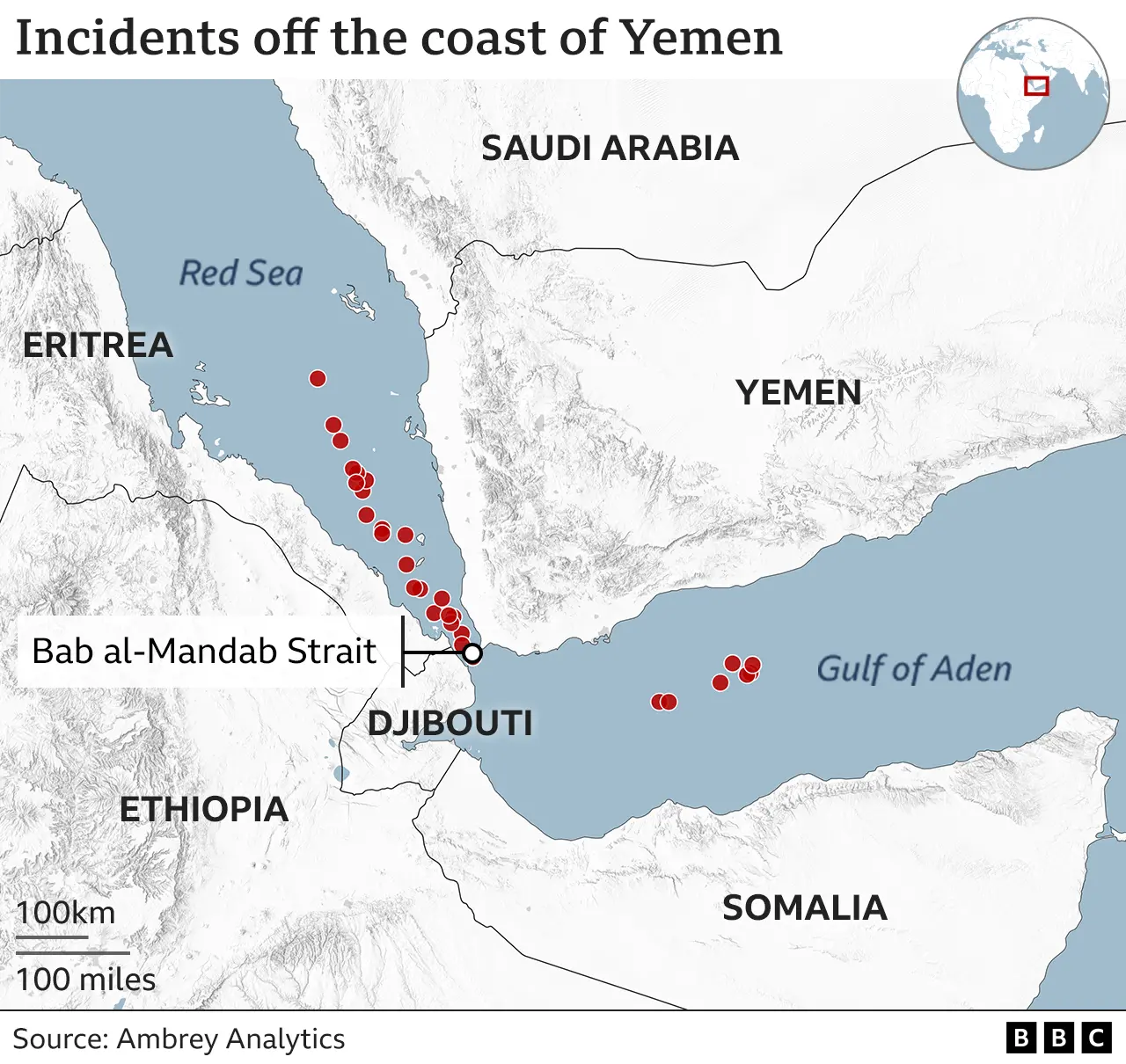
Yemen's Iran-aligned Houthi rebels have declared a naval blockade on Saudi Arabia, specifically threatening Saudi-linked vessels navigating the Bab el-Mandeb Strait. This dramatic escalation, announced on July 20-21, 2026, has sent immediate ripples through global energy markets, pushing Brent crude oil prices above $91 a barrel and triggering fresh fears of widespread inflation. The Houthis claim this move is a direct response to Saudi Arabia alleged blockade of Yemen and a recent airstrike on Sanaa International Airport, with at least two tankers carrying Saudi crude for China and India reportedly reversing course in the Red Sea. This latest Houthi threat comes as the Middle East is already grappling with the fallout from an escalating US-Iran conflict, which has significantly disrupted shipping through the vital Strait of Hormuz. With the Strait of Hormuz under pressure, Saudi Arabia had increasingly rerouted its oil exports through Red Sea ports like Yanbu, making the Bab el-Mandeb an even more critical chokepoint. The potential closure or severe disruption of both major routes simultaneously could remove a substantial portion of global oil supply and further inflate shipping and insurance costs, exacerbating existing supply chain disruptions that have already forced many vessels to take the longer, more expensive route around Africa's Cape of Good Hope. As Saudi Arabia and its coalition partners vow to protect their vessels and ensure freedom of navigation, the international community watches closely for military responses and diplomatic overtures to de-escalate the crisis. The US, with its robust naval presence in the region, has indicated it will act if needed, though a second front in the Red Sea would undoubtedly strain its resources. With oil market analysts warning Brent crude could surge past $100, and potentially $120-$130, if the blockade persists, the coming weeks will reveal whether this new front in the Red Sea becomes a sustained economic shock or a geopolitical pressure tactic.