How India turned to Russia, UAE and Venezuela as Hormuz disruptions rattled energy markets
Context mode is active. Hover over any highlighted term to see its definition. Click a nested term to go deeper.
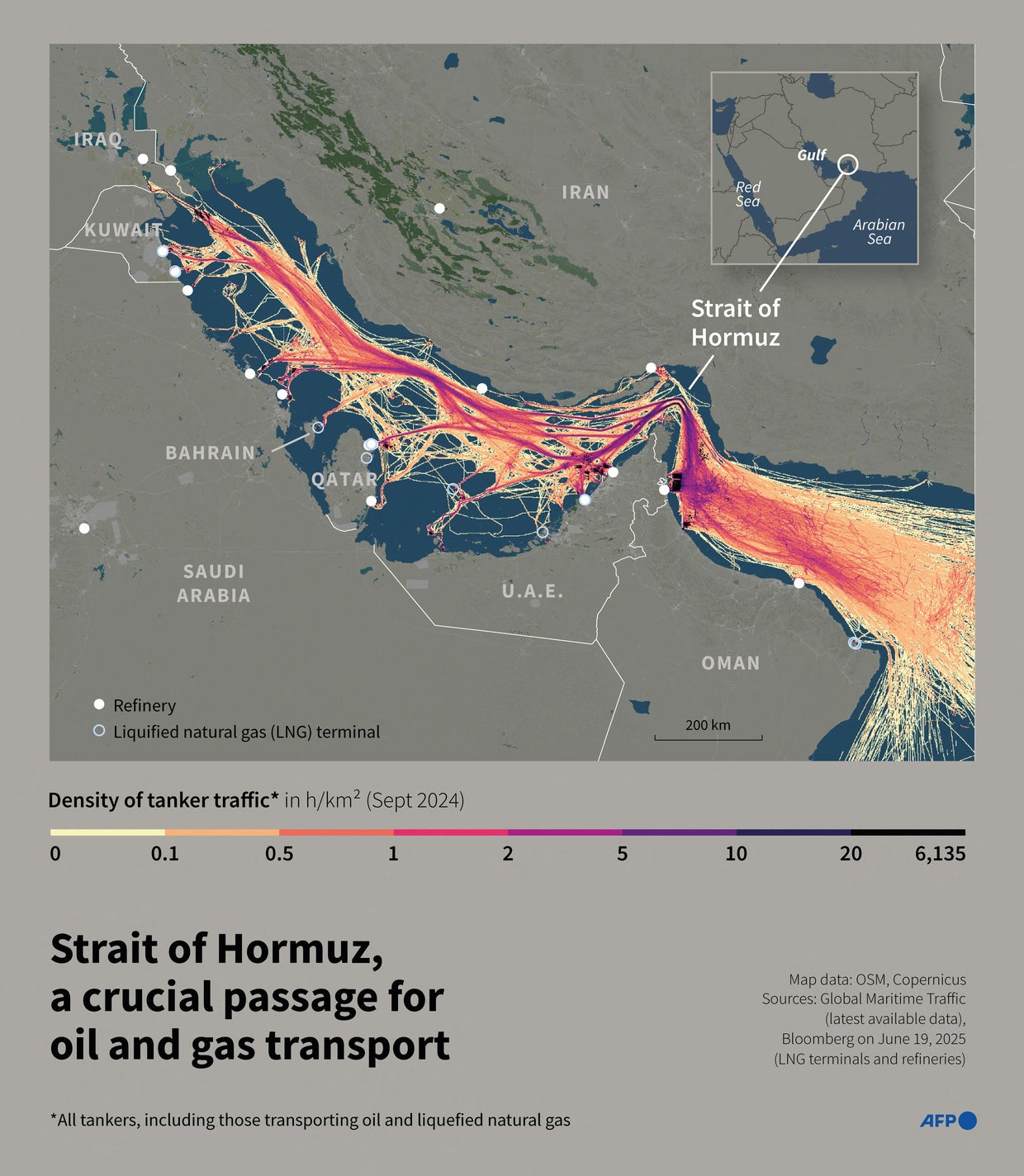
India has aggressively rerouted its energy supply lines, sharply increasing crude oil imports from Russia, the UAE, and Venezuela, as the recent, severe disruption in the Strait of Hormuz—triggered by US-Israel-Iran hostilities—forced a rapid diversification of its vast energy needs. New data for June 2026 reveals Russia has solidified its position as India top crude supplier, with imports surging to record highs, while the UAE maintained near-record shipments and Venezuela emerged as a significant new source. This swift strategic pivot underscores India proactive efforts to safeguard its energy security amidst a volatile global landscape. The crisis, initiated by Iran blockade of the vital Strait in late February following US and Israeli attacks, effectively choked off a key artery for roughly 20% of global oil and a substantial portion of LPG, sending prices soaring and creating the largest market disruption in modern history. While a fragile US-Iran ceasefire agreement has allowed a partial reopening and some Indian tankers have resumed transit, lingering security concerns and prohibitively high insurance costs continue to hinder full normalization. India refiners responded by leveraging discounted Russian crude and diversifying to sources like Venezuela for heavier grades and the US for LPG, even at the expense of higher freight costs, demonstrating a profound shift away from over-reliance on traditional Gulf suppliers. Going forward, industry analysts like Kpler expect Russian crude to remain a cornerstone of India import basket due to its economic advantages and reliability, even as Gulf flows gradually recover. However, the long-term outlook for Venezuelan supplies remains uncertain due to ongoing sanctions risks and production constraints. The episode has permanently reshaped India energy sourcing, accelerating its broader diversification strategy and pushing it towards a more resilient, multi-vector energy framework, though the full restoration of pre-crisis trade confidence in the Strait of Hormuz will likely take months.