How Israel's operation 'Eternal Darkness' in southern Lebanon is expanding
Context mode is active. Hover over any highlighted term to see its definition. Click a nested term to go deeper.
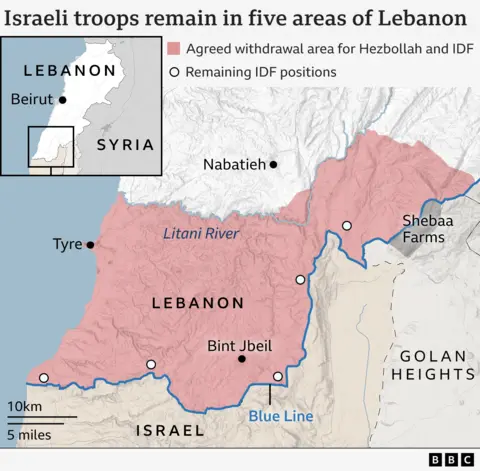
Israel military operation 'Eternal Darkness' has significantly escalated its footprint across southern Lebanon, extending well beyond initial targeted airstrikes to include ground incursions and intensified aerial bombardment near critical urban centers. This expansion follows the consistent unraveling of an April ceasefire, which Hezbollah largely disregarded, maintaining a relentless barrage of drone and rocket attacks against northern Israel and IDF positions. The deepening conflict has not only pushed nearly a million Lebanese civilians into a desperate humanitarian crisis but also signals a perilous shift in regional stability, with Israel Prime Minister Benjamin Netanyahu ordering forces to penetrate deeper into Lebanese territory, including directives to target Beirut's southern suburbs. The current escalation, reignited in earnest since March 2026, is a direct consequence of a cycle of provocation and retaliation, with Hezbollah rejecting multiple US-brokered ceasefire proposals that fail to guarantee a full Israeli withdrawal. Despite an April 16, 2026 truce intended to halt hostilities, Israel declared it inapplicable to Lebanon, while Hezbollah continued to launch hundreds of projectiles into Israel and against IDF troops operating in Lebanon. This dynamic is further complicated by Iran continued backing of Hezbollah, leveraging the group as a critical element of its regional deterrence strategy against a wider US-Israeli conflict. The international community, particularly the United States, finds its diplomatic efforts repeatedly undermined by Hezbollah refusal to disarm and the Lebanese government's inability to assert full control, particularly with the UNIFIL peacekeeping mission set for withdrawal by the end of 2026, creating a looming security vacuum. With Israeli forces expanding operations to establish a deeper buffer zone, including issuing forced evacuation orders for towns like Nabatieh, and Netanyahu explicitly targeting Hezbollah strongholds in Beirut's southern suburbs, the immediate future points to continued and potentially devastating urban warfare. Observers are closely watching whether the Lebanese Armed Forces, supported by the US, can gain sufficient strength and authority to manage the 'pilot zones' outlined in failed truce talks, or if Hezbollah rejection of these terms will precipitate a broader regional conflagration. The escalating humanitarian crisis and the imminent departure of UNIFIL underscore the urgent need for a more robust and enforceable resolution, but a clear path remains elusive as both sides double down on military objectives.